ArchivesThermal Power Solutions

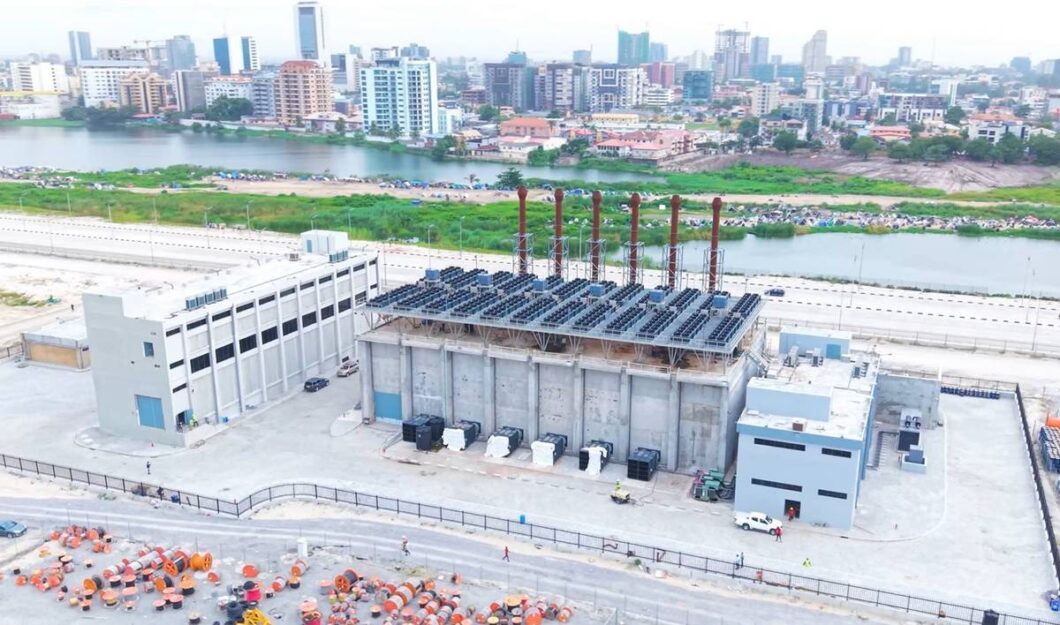
Eko Atlantic City Central 60 MW Power Plant

Project Details

NameYearLocationClientTypeDescriptionScope
Eko Atlantic City Central 60 MW Power Plant2024Lagos, NigeriaEko AtlanticPower PlantGas power plant based on four-stroke Hyundai engines for Eko Atlantic City electricityExecuting full detailed engineering (mechanical, electrical, instrumentation, and control)

Project Background & Objectives

The Eko Atlantic City Central 60 MW Power Plant project was initiated to build a cutting-edge, high-capacity captive power solution to support the massive infrastructure development of Eko Atlantic City in Lagos, Nigeria. Commissioned directly by Eko Atlantic, this utility-scale project involves the construction of a reliable gas power plant based on four-stroke Hyundai engines designed to serve as the primary electricity source for the entire modern district. Within this massive urban development framework, PDP Energy was selected to lead the complete technical realization phase. The primary company-specific objectives centered on executing full detailed engineering (mechanical, electrical, instrumentation, and control), establishing a highly integrated and optimized blueprint for the multi-engine generation facility.

Project Challenges

Designing a centralized 60 MW gas power plant within a rapidly growing, high-density coastal city introduces extreme engineering, thermodynamic, and control complexities. Coordinating four-stroke Hyundai gas engines requires meticulous mechanical engineering to optimize fuel gas supply lines, exhaust systems, and high-volume cooling water infrastructure under tight spatial constraints. On the electrical and automation side, PDP Energy had to resolve intense hurdles regarding synchronized load-sharing across multiple massive engine units, managing transient grid stability, and mitigating harmonic distortions. Furthermore, engineering the unified instrumentation and control (I&C) systems demanded crafting complex, redundant automation networks capable of monitoring thousands of real-time process loops to guarantee immediate fault detection and prevent cascading power blackouts across the new city.

Project Outcomes

Operating as the primary detailed engineering partner, PDP Energy successfully delivered the complete mechanical, electrical, instrumentation, and control engineering packages for the power generation facility. The project effectively established an unshakeable, utility-grade energy foundation tailored for Africa’s premier modern smart city. By delivering highly synchronized and robust multi-disciplinary technical blueprints, PDP Energy cleared the path for the secure deployment of the 60 MW gas power plant, ensuring an uninterrupted, stable, and highly efficient electricity supply to sustain residential high-rises, commercial centers, and vital civic infrastructure across Eko Atlantic.

Project Gallery

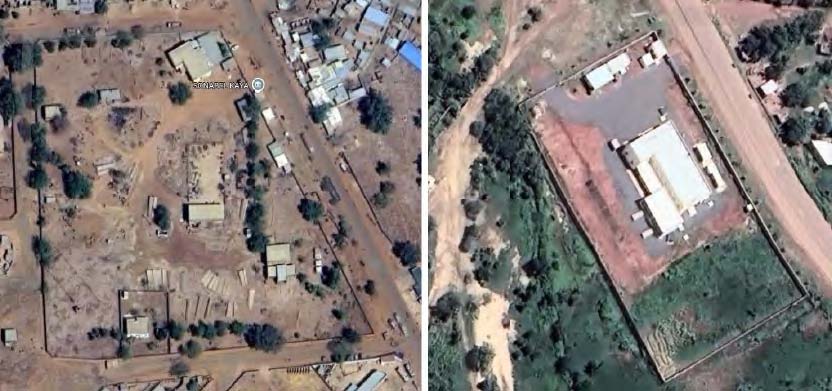
Kaya & Koudougou 2 x 25 MW Power Plants

Project Details

NameYearLocationClientTypeDescriptionScope
Kaya & Koudougou 2 x 25 MW Power Plants2026Kaya & Koudougou, Burkina FasoSonabelPower PlantTwo 25 MW power plants based on high-speed generators under a BOOT modelOwner engineer handling design review and site supervision for all engineering trades

Project Background & Objectives

The Kaya & Koudougou 2 x 25 MW Power Plants project was initiated as a major national utility development to significantly increase electrical capacity and stabilize grid infrastructure across multiple regions in Burkina Faso. Commissioned by the state utility Sonabel, this utility-scale infrastructure program involves the construction of two 25 MW power plants based on high-speed generators under a BOOT model (Build-Own-Operate-Transfer). Within this high-value, multi-site energy framework, PDP Energy was appointed to protect the utility’s interests and ensure technical excellence. The primary company-specific objectives centered on fulfilling the comprehensive Owner engineer role handling design review and site supervision for all engineering trades, including civil, mechanical, electrical, and automation disciplines.

Project Challenges

Orchestrating rigorous quality assurance and oversight simultaneously across two geographically separated power plants introduces extraordinary logistical and technical challenges. High-speed generator configurations demand precise alignment, advanced vibration isolation, and meticulous cooling and fuel auxiliary designs to withstand the harsh, high-temperature environmental conditions of the region. As the Owner’s Engineer, PDP Energy had to navigate complex technical hurdles, including auditing massive multi-disciplinary contractor blueprints under tight timelines, validating specialized equipment compliance with international BOOT standards, and enforcing strict construction milestones. This required flawless coordination among civil, mechanical, and electrical engineering trades on-site to eliminate design flaws before physical installation began.

Project Outcomes

Operating as the primary independent Owner’s Engineer, PDP Energy successfully directed the extensive technical design reviews and field construction supervision for both utility assets. The project effectively established a highly accurate and transparent engineering framework that ensures maximum asset reliability and long-term structural integrity. By delivering synchronized and detailed multi-trade quality controls, PDP Energy cleared the path for the secure deployment of the two 25 MW power assets, significantly boosting regional power generation capacity for Sonabel and providing a stable, high-performance electricity supply to support economic growth across Burkina Faso.

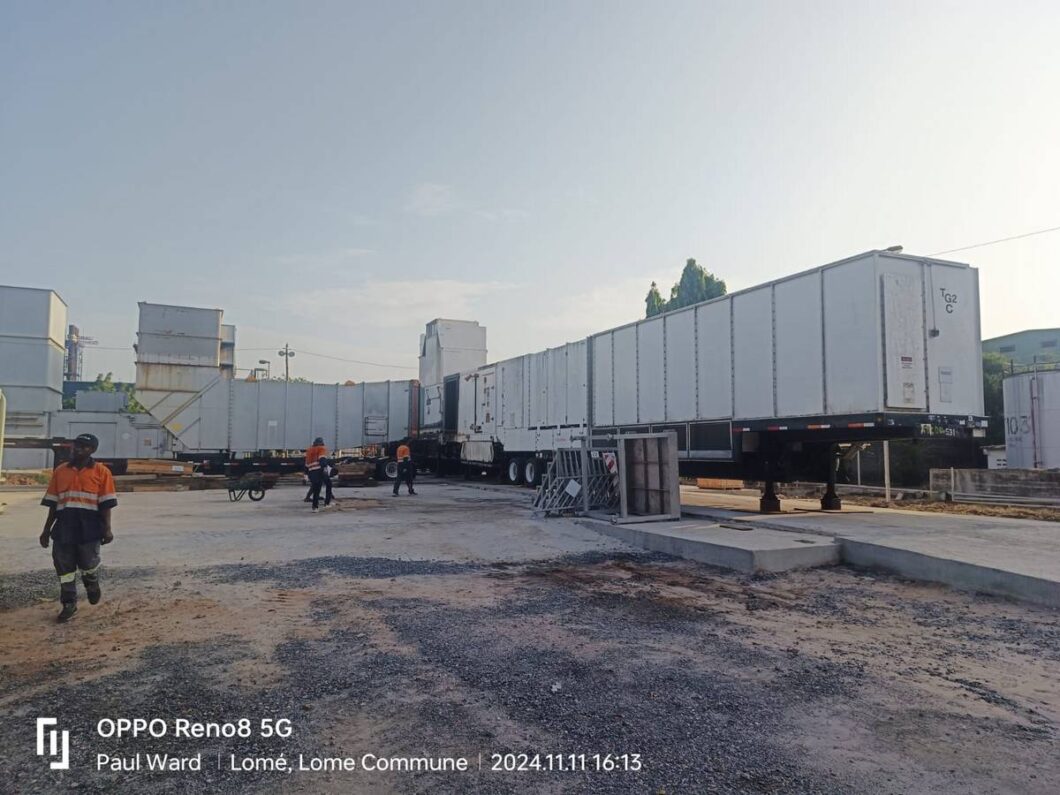
Lome 2 x 25 MW Gas Turbines Power Plant

Project Details

NameYearLocationClientTypeDescriptionScope
Lome 2 x 25 MW Gas Turbines Power Plant2024Lome, TogoUSP&EPower PlantNatural Gas Power Plant based on GE TM2500 TurbinesExecuting detailed design and preparing procurement specifications (mechanical, electrical, I&C)

Project Background & Objectives

The Lome 2 x 25 MW Gas Turbines Power Plant project was initiated as a high-capacity utility development to critically enhance grid capacity and secure energy independence in Lome, Togo. Commissioned by USP&E, this landmark fast-track project focused on establishing a state-of-the-art Natural Gas Power Plant based on GE TM2500 Turbines to serve as a high-reliability generation hub for the regional grid. Within this sophisticated aero-derivative turbine application framework, PDP Energy was selected to anchor the central engineering and material sourcing phases. The primary company-specific objectives centered on executing detailed design and preparing procurement specifications (mechanical, electrical, I&C), establishing an optimized and fully synchronized engineering baseline for the modern power complex.

Project Challenges

Designing utility-scale infrastructure around mobile aero-derivative GE TM2500 gas turbines introduces severe mechanical, electrical, and control synchronization challenges, especially in tropical coastal environments. PDP Energy had to navigate complex process constraints, including optimizing high-pressure natural gas supply systems, fuel conditioning loops, and large-volume ventilation requirements under strict manufacturer parameters. On the electrical and automation side, integrating 2 x 25 MW units required meticulous engineering to handle transient stability, manage grid connection standards, and mitigate rapid load fluctuations. Furthermore, drafting highly specialized procurement specifications for mechanical, electrical, and instrumentation and control (I&C) trades demanded strict technical accuracy to guarantee complete hardware compatibility, robust environmental protection, and long-term turbine operational security.

Project Outcomes

Operating as the primary detailed engineering and procurement advisory partner, PDP Energy successfully formulated and delivered the comprehensive multi-disciplinary detailed design packages and technical procurement specifications. The project effectively established a highly efficient, world-class reference for fast-track utility-scale turbine generation in West Africa. By providing synchronized civil-mechanical layouts and advanced electrical network schematics, PDP Energy cleared the path for USP&E to safely commission the 50 MW gas turbine plant, significantly stabilizing the Togolese national grid, reducing regional power deficits, and ensuring a continuous, high-efficiency energy supply to sustain growing local economic sectors.

Project Gallery

WAPG 120 MW Power Plant

Project Details

NameYearLocationClientTypeDescriptionScope
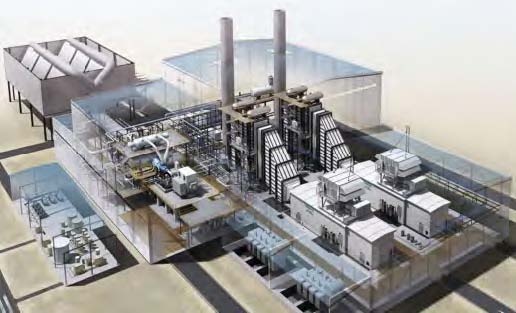
WAPG 120 MW Power Plant2025-OngoingFreetown, Sierra LeoneSargent & LundyPower PlantCombined Cycle Power Plant based on 2x SGT-750 Gas Turbines and 1x 43.32 MW STG Steam TurbineSite owner engineer for civil, mechanical, electrical, and instrumentation trades

Project Background & Objectives

The WAPG 120 MW Power Plant project was initiated as a flagship utility-scale power infrastructure development to critically expand reliable generation capacity and support long-term economic development in Freetown, Sierra Leone. Commissioned by Sargent & Lundy, this landmark high-efficiency facility involves constructing a state-of-the-art Combined Cycle Power Plant based on 2x SGT-750 Gas Turbines and 1x 43.32 MW STG Steam Turbine to supply steady baseload power to the regional transmission grid. Within this highly sophisticated thermal generation framework, PDP Energy was selected to protect the project’s technical and structural integrity. The primary company-specific objectives focus on fulfilling the comprehensive role of Site owner engineer for civil, mechanical, electrical, and instrumentation trades, providing rigorous field quality assurance across all engineering disciplines.

Project Challenges

Overseeing the physical realization of a multi-turbine 120 MW combined-cycle asset in a demanding West African environment introduces extreme logistical, structural, and technical supervisory complexities. Managing a site that integrates high-performance gas turbines with a secondary 43.32 MW steam turbine generator (STG) requires flawless field precision to monitor heat recovery steam generators (HRSGs), complex high-pressure piping networks, and advanced thermal cooling systems. As the Owner’s Engineer, PDP Energy must navigate intense hurdles across all engineering disciplines—ensuring structural foundation safety against subsoil variations, auditing contractor component alignments, and verifying complicated electrical grid-interconnection parameters. Furthermore, supervising thousands of integrated instrumentation and automation loops demands strict technical accuracy to guarantee reliable real-time process control, manage safety trips, and eliminate localized fault risks before testing and commissioning phase.

Project Outcomes

Operating as the active on-site independent engineering authority, PDP Energy is successfully executing its comprehensive multi-trade site supervision and construction auditing services for the massive facility. The project effectively establishes an elite technical benchmark for high-efficiency, combined-cycle utility infrastructure in Sub-Saharan Africa. By delivering synchronized and detailed quality tracking across civil, mechanical, electrical, and control domains, PDP Energy is clearing a secure path toward the successful commissioning of the 120 MW power complex, ensuring maximized fuel efficiency per megawatt-hour, significantly stabilizing regional electricity distribution networks, and delivering an unshakeable stream of stable energy for local communities and industries.

Sibline 16 MW Power Plant

Project Details

NameYearLocationClientTypeDescriptionScope
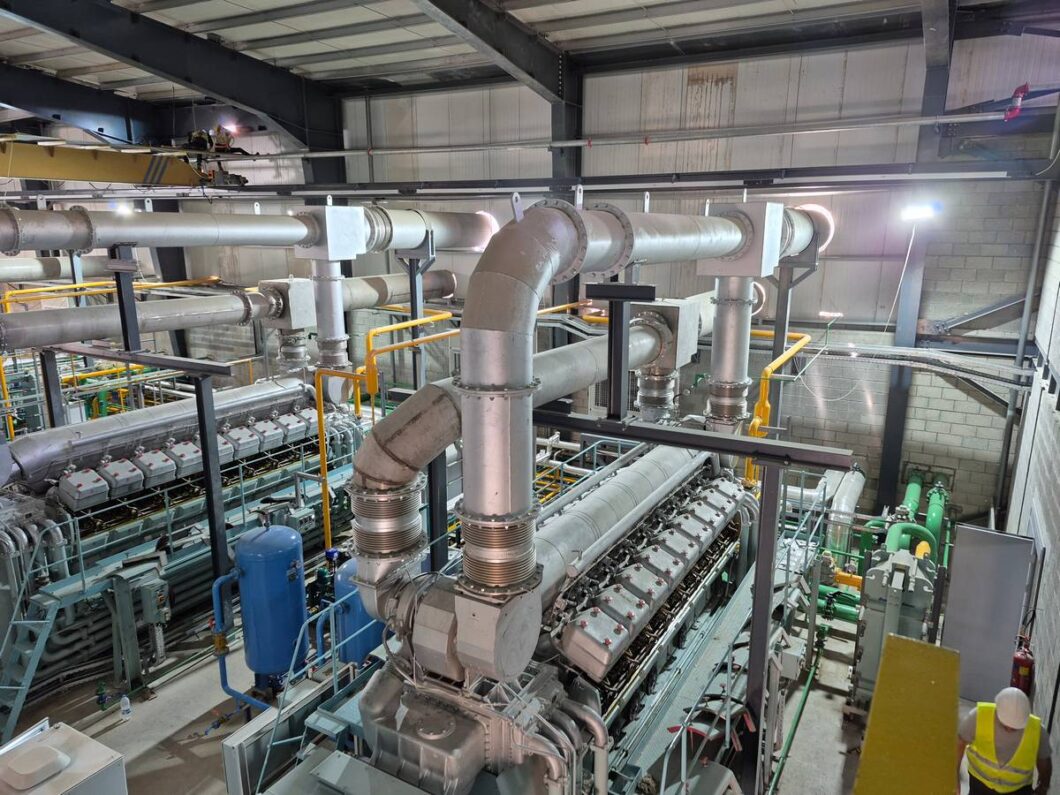
Sibline 16 MW Power Plant2023Sibline, LebanonSakr Power GenerationPower PlantHFO power plant based on four-stroke MAN enginesExecuting detailed design and preparing procurement specifications (mechanical, electrical, I&C)

Project Background & Objectives

The Sibline 16 MW Power Plant project was initiated to build a dedicated, heavy-duty captive generation facility to support high-demand industrial operations in Sibline, Lebanon. Commissioned by Sakr Power Generation, this utility-scale project focused on establishing a highly stable independent energy asset to run a massive localized manufacturing infrastructure. Within this critical industrial development framework, PDP Energy was selected to command the complete multidisciplinary technical realization phase. The primary company-specific objectives centered on executing detailed design and preparing procurement specifications (mechanical, electrical, I&C), setting up an optimized and fully synchronized blueprint for a modern HFO power plant based on four-stroke MAN engines.

Project Challenges

Designing and integrating a heavy fuel oil (HFO) power plant built around massive four-stroke MAN engines introduces extreme mechanical, thermal, and control complexities, particularly within an active industrial landscape. PDP Energy had to navigate tight process constraints, including optimizing highly complex heavy fuel handling, pre-heating, and viscosity control subsystems alongside large-volume cooling fluid arrays. On the electrical and automation side, integrating a 16 MW block required meticulous planning to handle transient stability, manage heavy structural motor load variations, and prevent voltage dips. Furthermore, drafting comprehensive procurement specifications for mechanical, electrical, and instrumentation and control (I&C) networks demanded strict technical accuracy to ensure absolute component compatibility, robust fault protections, and long-term equipment security.

Project Outcomes

Operating as the primary detailed engineering and procurement advisory partner, PDP Energy successfully formulated and delivered the complete multi-disciplinary detailed design packages and technical procurement specifications for the power plant. The project effectively established an optimized, highly resilient technical framework tailored for high-capacity industrial captive power. By providing synchronized civil-mechanical layouts, precise process schematics, and advanced electrical network blueprints, PDP Energy cleared the path for the secure deployment of the 16 MW energy asset, ensuring complete operational energy self-sufficiency, protecting core industrial machinery from grid disruptions, and guaranteeing a continuous, high-efficiency electricity supply.

Project Gallery

Gorou Banda 20 MW Power Plant

Project Details

NameYearLocationClientTypeDescriptionScope
Gorou Banda 20 MW Power Plant2024Gorou Banda, NigerMatelecPower PlantExtension of an existing 80 MW power plant by adding one generator with auxiliaries to reach 100 MWExecuted the detailed engineering of the extension

Project Background & Objectives

The Gorou Banda 20 MW Power Plant project was initiated as a major utility infrastructure expansion to enhance grid capacity and support rising energy demands in Gorou Banda, Niger. Commissioned by Matelec, this critical development involved the extension of an existing 80 MW power plant by adding one generator with auxiliaries to reach a total capacity of 100 MW. Within this complex brownfield expansion framework, PDP Energy was selected to command the core design phase. The primary company-specific objectives centered on executing the detailed engineering of the extension, ensuring the new generation unit and its supporting auxiliary systems integrated flawlessly into the active utility complex.

Project Challenges

Engineering a 20 MW capacity extension within an operating 80 MW brownfield facility introduces severe technical and operational integration challenges. PDP Energy had to navigate the complexities of interfacing a new high-power generator and its critical auxiliaries with existing fuel, cooling, and electrical distribution networks without disrupting current power generation. This required meticulous civil, mechanical, and electrical synchronization to match the new unit’s dynamics with the pre-existing facility. Additionally, managing tight physical space constraints and updating centralized protection schemes and substation controls demanded advanced network modeling to prevent electrical faults or sudden grid trips during the integration phase.

Project Outcomes

Operating as the primary detailed engineering partner, PDP Energy successfully formulated and delivered the complete mechanical, electrical, and structural detailed engineering packages for the facility’s expansion. The project effectively established a seamless technical framework for increasing utility plant capacity without costly downtime. By providing synchronized and precise engineering layouts, PDP Energy cleared the path for Matelec to successfully commission the new generator, safely elevating the facility’s output to 100 MW and significantly boosting regional grid reliability across Niger.

Project Gallery
Presidential Palace 4 MW Power Plant

Project Details

NameYearLocationClientTypeDescriptionScope
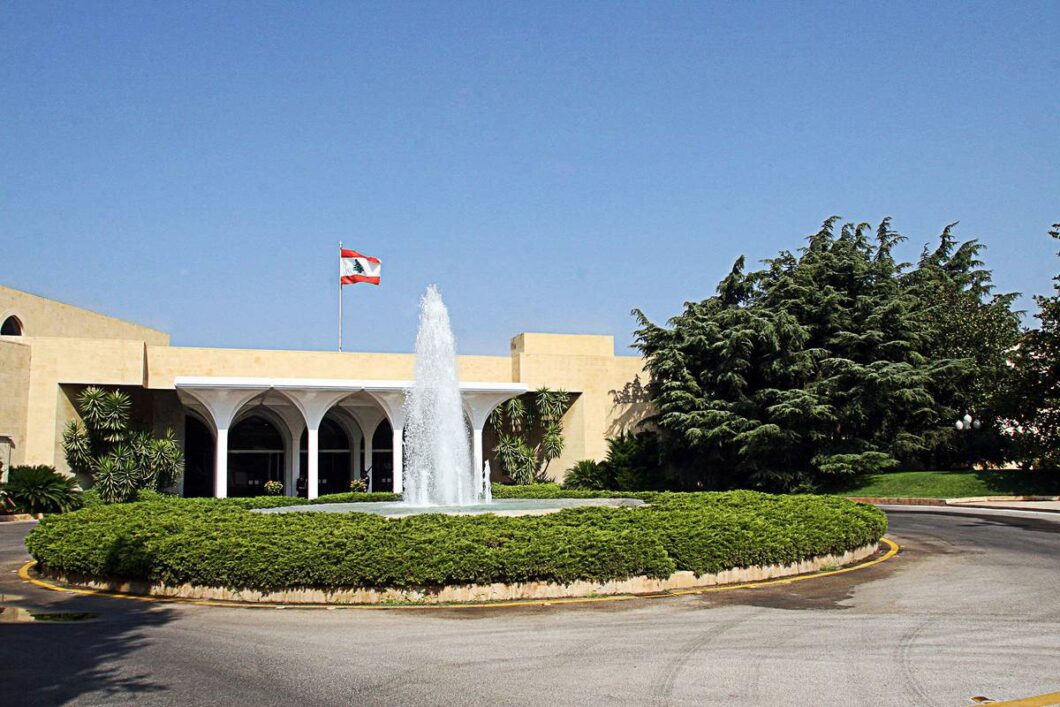
Presidential Palace 4 MW Power Plant2015Baabda, LebanonPresidential palace authoritiesPower PlantRenovation and extension project of the palace's emergency diesel plant and networkRealized conceptual design and prepared specifications and tender documents

Project Background & Objectives

The Presidential Palace 4 MW Power Plant project was initiated to critically upgrade and secure the sovereign backup power infrastructure for the nation’s primary governance campus in Baabda, Lebanon. Commissioned directly by the presidential palace authorities, this highly critical asset focused on a comprehensive renovation and extension project of the palace’s emergency diesel plant and network. Within this high-security public institutional framework, PDP Energy was selected to spearhead the advanced advisory and early technical modeling phases. The primary company-specific objectives centered on delivering a complete engineering roadmap, where the team successfully realized the conceptual design and prepared specifications and tender documents to ensure the 4 MW generation facility operates with absolute reliability and complete energetic autonomy during national grid crises.

Project Challenges

Overhauling and expanding a highly strategic power network inside a fully operational, high-security presidential compound presents intense spatial, structural, and electrical engineering hurdles. Because a primary governance facility demands uncompromised physical security and continuous power continuity with zero tolerance for downtime, the integration of new assets with existing grids required complex technical staging. PDP Energy had to resolve challenging technical constraints, including engineering strict acoustic and vibration containment parameters to blend with the palace architecture, designing rapid automatic transfer switching mechanisms, and configuring highly robust protection schemes. These measures were vital to safeguard mission-critical communication centers and data mainframes against voltage fluctuations or cascading system failures.

Project Outcomes

Operating as the primary conceptual engineering consultant, PDP Energy successfully formulated and delivered the complete conceptual design package, comprehensive technical specifications, and structural tender documents. The project effectively established an unshakeable, elite technical blueprint tailored for strategic national security and civic infrastructure assets. By providing highly precise load-matching models and synchronized protection schematics, PDP Energy cleared the path for the secure deployment of the updated 4 MW power plant, guaranteeing complete backup power redundancy, protecting sovereign operations, and insulating the entire compound from municipal utility grid deficits.

Glass Factory 6 MW HFO Power Plant

Project Details

NameYearLocationClientTypeDescriptionScope
Glass Factory 6 MW HFO Power Plant2018Chtoura, LebanonGlasspackPower PlantHFO power plant based on four Hyundai engines delivering 24/24 power to a glass factoryExecution of the preliminary and conceptual design

Project Background & Objectives

The Glass Factory 6 MW HFO Power Plant project was initiated to build a dedicated, highly stable captive power generation facility to support intense industrial manufacturing operations in Chtoura, Lebanon. Commissioned by Glasspack, this high-reliability project focused on establishing an independent HFO power plant based on four Hyundai engines capable of delivering continuous, 24/24 power to a glass factory. Within this critical heavy industrial operational framework, PDP Energy was selected to direct the crucial early phase of the facility. The primary company-specific objectives centered on the execution of the preliminary and conceptual design, setting up the core electrical and thermal baseline architecture to protect manufacturing lines against grid instability.

Project Challenges

Designing a 24/7 heavy fuel oil (HFO) generation asset inside an active industrial glass manufacturing campus presents significant thermal, mechanical, and power quality hurdles. Glass production requires absolute thermal and electrical continuity; even a brief voltage dip can freeze raw materials in the furnaces, resulting in catastrophic equipment failure and massive financial losses. PDP Energy had to resolve intense technical challenges, including balancing structural layout constraints for four massive Hyundai engine blocks, optimizing complex heavy fuel handling and pre-heating subsystems, and designing robust fault-ride-through capabilities to handle abrupt industrial motor load variations without disrupting the plant’s delicate operating balance.

Project Outcomes

Operating as the primary conceptual engineering partner, PDP Energy successfully finalized the complete preliminary and conceptual design package for the heavy industrial power asset. The project effectively established an optimized, highly resilient technical framework tailored for high-demand captive industrial operations. By delivering precise mechanical configurations and synchronized load management blueprints, PDP Energy paved the way for the secure installation of the 6 MW power plant, ensuring the manufacturing facility gains complete energy self-sufficiency, maintains uninterrupted production cycles, and isolates its core machinery from external grid disruptions.

Port of Beirut 10 MW Power Plant

Project Details

NameYearLocationClientTypeDescriptionScope
Port of Beirut 10 MW Power Plant2005Beirut, LebanonPort of Beirut authoritiesPower PlantDiesel emergency power plant and infrastructure supplying power to container terminal cranesActed as client representative during all project phases

Project Background & Objectives

The Port of Beirut 10 MW Power Plant project was initiated to build an elite, highly reliable captive power solution to support the massive maritime operations at Lebanon’s primary shipping hub in Beirut, Lebanon. Commissioned directly by the Port of Beirut authorities, this critical infrastructure asset was planned to serve as a high-capacity Diesel emergency power plant and infrastructure supplying power to container terminal cranes. Within this high-demand, high-security logistics framework, PDP Energy was selected to protect the stakeholders’ interests throughout the entire lifecycle of the development. The primary company-specific objectives centered on fulfilling the extensive Client Representative role during all project phases, ensuring the physical deployment perfectly aligned with international standards and successfully secured independent energy backup for the port’s heavy cargo machinery.

Project Challenges

Designing and integrating a heavy-duty 10 MW emergency diesel power plant to drive utility-scale container terminal cranes presents severe spatial and mechanical engineering hurdles. Port cranes demand massive, near-instantaneous surge currents when lifting heavy cargo loads, creating extreme voltage fluctuations and severe mechanical stress on power generation equipment. PDP Energy had to navigate complex technical constraints, engineering a highly coordinated electrical layout capable of absorbing these sudden load variations without triggering system blackouts. Furthermore, providing independent oversight across all project phases required meticulous vetting of contractor blueprints, validating rapid automatic transfer switching mechanisms, and enforcing strict safety protocols to ensure construction proceeded seamlessly without disrupting active, 24/7 maritime shipping schedules.

Project Outcomes

Operating as the dedicated client representative, PDP Energy successfully concluded its comprehensive engineering audits, multi-trade design reviews, and construction monitoring services. The project effectively guaranteed that the entire power facility and integrated distribution grid were executed to the highest engineering standards, ensuring long-term operational durability and structural safety. By delivering rigorous independent engineering supervision across all phases, PDP Energy cleared the path for the secure deployment of the 10 MW emergency asset, ensuring the port maintains complete power autonomy, isolates its mission-critical crane networks from municipal grid deficits, and safeguards the continuity of international trade.

Lebanese American University 8 MW Power Plant

Project Details

NameYearLocationClientTypeDescriptionScope
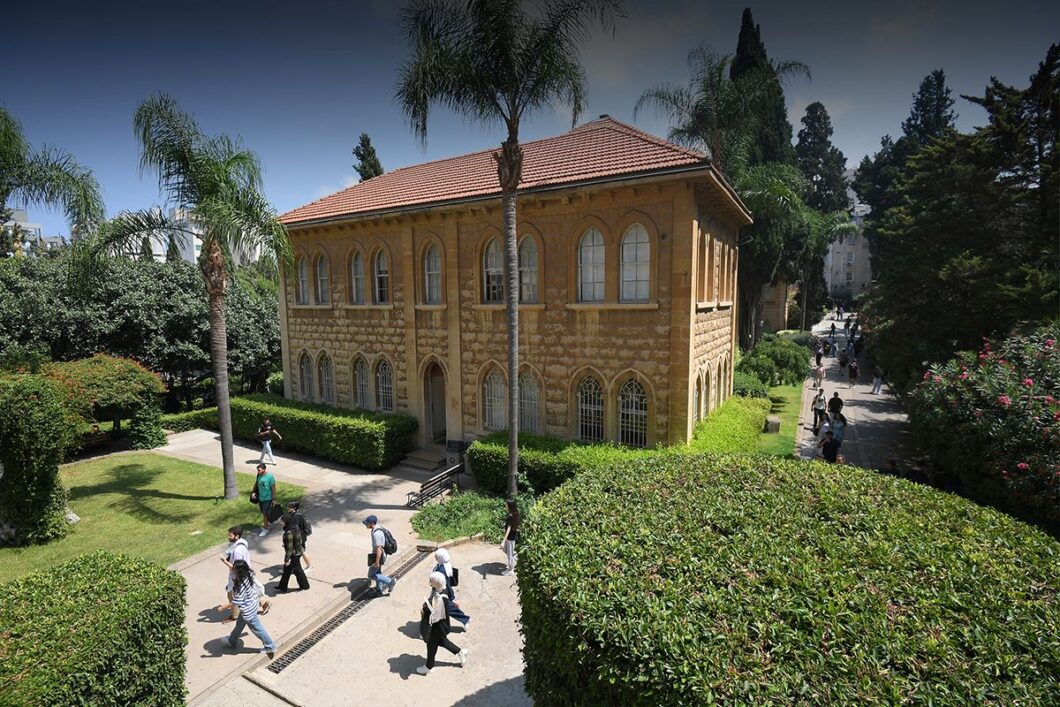
Lebanese American University 8 MW Power Plant2016Beirut, LebanonLAUPower PlantDiesel emergency power plant and electrical infrastructure for campus expansionWorked on conceptual design, preparation of tender documents, and supervised construction

Project Background & Objectives

The Lebanese American University 8 MW Power Plant project was initiated to build an elite, highly reliable captive power solution to support the extensive campus expansion of the Lebanese American University in Beirut, Lebanon. Commissioned directly by LAU, this critical infrastructure asset was planned to serve as a high-capacity Diesel emergency power plant and electrical infrastructure network to safeguard continuous academic, medical, and administrative operations against volatile municipal grid deficits. Within this high-demand institutional development context, PDP Energy was selected to spearhead all technical and oversight phases. The primary company-specific objectives centered on delivering a complete project lifecycle roadmap, where the engineering team worked on conceptual design, preparation of tender documents, and supervised construction of the 8 MW generation facility.

Project Challenges

Designing and integrating a heavy-duty 8 MW emergency diesel power plant within a dense, active urban university campus presents severe spatial, environmental, and network engineering hurdles. PDP Energy had to navigate complex technical constraints, including engineering strict acoustic containment, vibration isolation, and optimized exhaust filtration systems to comply with stringent urban environmental standards. On the electrical and automation side, integrating the new generation block with existing and expanding campus networks required precise synchronization. The design demanded highly advanced automatic transfer switching mechanisms, meticulous fault-ride-through protection configurations, and rigorous load-shedding schemes to guarantee instantaneous, safe backup transition to critical medical mainframes and university data centers without risking voltage dips or equipment damage.

Project Outcomes

Operating as the primary full-lifecycle engineering consultant and supervisor, PDP Energy successfully finalized the complete conceptual design package, comprehensive structural tender documentation, and independent field construction monitoring services. The project effectively established an unshakeable, high-performance energy foundation tailored for premier metropolitan educational assets. By delivering highly synchronized and resilient electrical blueprints alongside rigorous quality control on-site, PDP Energy cleared the path for the secure deployment of the 8 MW power plant, ensuring absolute energy redundancy, safeguarding vital institutional data integrity, and securing uninterrupted operations across the expanded campus.