ArchivesInstrumentation, Control & Automation

Lebanon Energy Terminal

Project Details

NameYearLocationClientTypeDescriptionScope
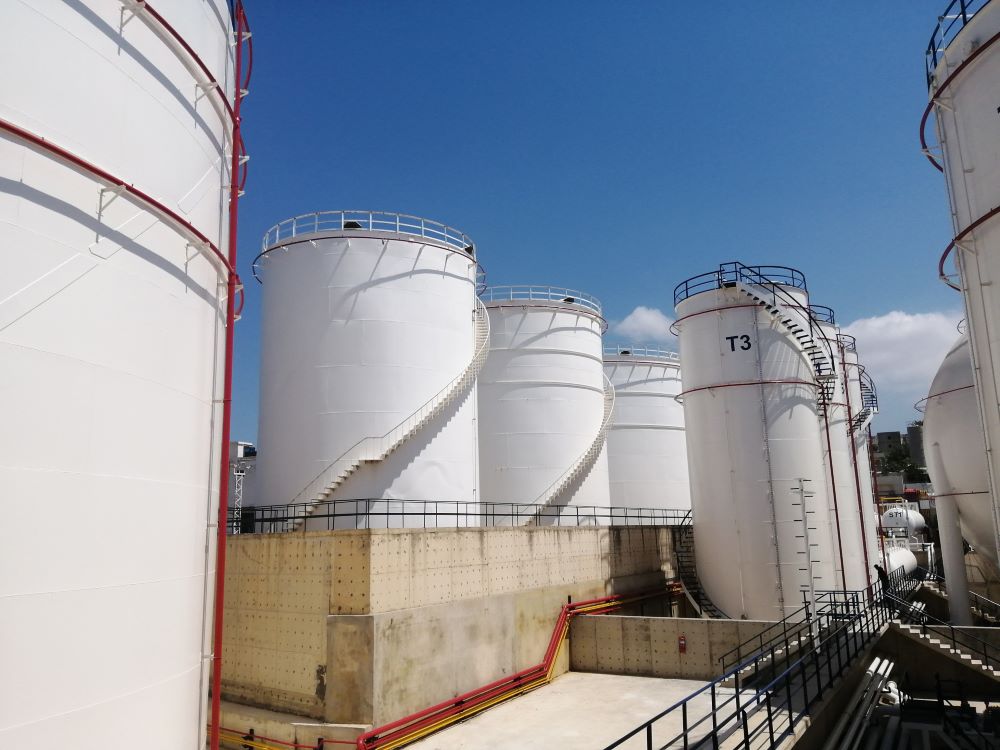
Lebanon Energy Terminal2017Amchit, LebanonEncoGroupInfrastructureFuel piping & fire fighting system designNew terminal piping network design covering the fuel network and fire fighting system with a foam centralized station

Project Background & Objectives

The Lebanon Energy Terminal project was initiated to critically develop and modernize the midstream safety and logistics infrastructure at a major coastal fuel storage facility in Amchit, Lebanon. Commissioned by EncoGroup, this utility-scale infrastructure asset required advanced mechanical and safety engineering to ensure strict operational compliance and environmental safeguarding. Within this complex industrial framework, PDP Energy was selected to lead the complete specialized engineering phase. The primary company-specific objectives centered on executing the comprehensive Fuel piping & fire fighting system design, engineering a robust new terminal piping network design covering the fuel network and fire fighting system with a foam centralized station to guarantee absolute hazard control.

Project Challenges

Designing a high-capacity fuel transmission and fire safety network within an active, high-hazard coastal energy terminal presents intense mechanical and chemical engineering complexities. Routing critical product and safety lines demands precise fluid dynamics and hydraulic modeling to manage volatile fuels safely across extensive layouts. PDP Energy had to resolve major technical hurdles, including executing rigorous pipeline stress analysis to simulate thermal expansion, structural soil-pipe interactions, and transient water hammer hazards. Furthermore, engineering the high-volume fire suppression network required designing a highly sophisticated foam centralized station, demanding meticulous calculations for proportioning systems and synchronized valve sequencing to ensure instantaneous, terminal-wide flame mitigation without risking operational downtime or cross-contamination.

Project Outcomes

Operating as the primary detailed engineering partner, PDP Energy successfully formulated and delivered the complete fuel network and specialized firefighting detailed design packages. The project effectively established a highly resilient, modern technical reference for midstream oil and gas safety infrastructure in the Levant region. By providing synchronized and robust mechanical schematics alongside precise hazard isolation blueprints, PDP Energy cleared the path for the secure operation of the terminal, drastically upgrading its emergency preparedness, securing vital national energy assets, and ensuring an unshakeable layer of environmental and industrial safety.
Total Terminal Oily Water Treatment

Project Details

NameYearLocationClientTypeDescriptionScope
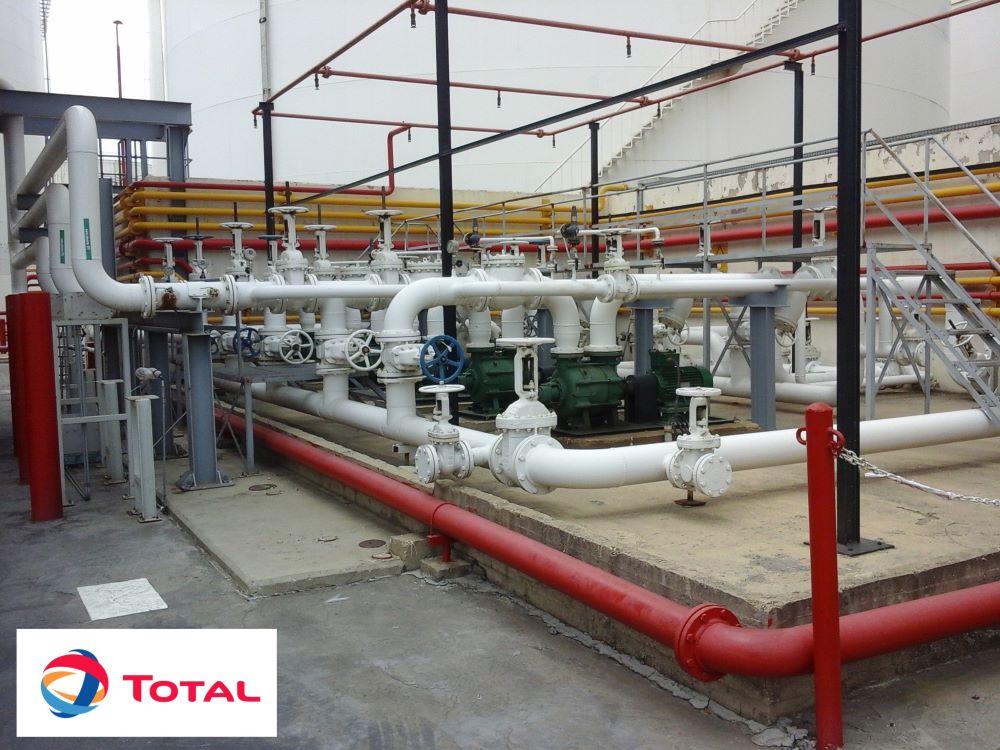
Total Terminal Oily Water Treatment2019Dora, LebanonTotal LibanInfrastructureOily water system designTerminal oily water network and treatment system conceptual and detailed design

Project Background & Objectives

The Total Terminal Oily Water Treatment project was initiated to critically upgrade the environmental compliance and wastewater processing infrastructure at a major coastal fuel storage facility in Dora, Lebanon. Commissioned by Total Liban, this targeted midstream infrastructure development required specialized environmental and fluid engineering to safely manage industrial runoff from active fuel sectors. Within this vital downstream energy distribution framework, PDP Energy was selected to command the core technological modeling and realization phases. The primary company-specific objectives centered on executing a comprehensive Oily water system design, delivering the full terminal oily water network and treatment system conceptual and detailed design to guarantee absolute pollution control and strict regulatory adherence.

Project Challenges

Designing an efficient industrial wastewater network within a highly active, high-hazard petroleum storage terminal presents intense chemical, mechanical, and fluid dynamics complexities. Industrial runoff from fuel loading racks, tank farms, and containment dikes contains volatile hydrocarbons, suspended solids, and chemical contaminants that require sophisticated extraction techniques before environmental discharge. PDP Energy had to navigate complex technical constraints, engineering a robust drainage network capable of collecting irregular stormwater surges and process wastewater without risking cross-contamination or structural backflows. Furthermore, sizing the centralized separation equipment and oil-water separators demanded highly precise hydraulic calculations and fluid velocity mapping to maximize separation efficiency under varying flow rates, all while operating seamlessly alongside continuous terminal logistics.

Project Outcomes

Operating as the primary detailed engineering and environmental design partner, PDP Energy successfully formulated and delivered the complete conceptual and multi-disciplinary detailed design packages for the oily water infrastructure. The project effectively established a highly resilient, modern technical reference for downstream oil and gas environmental safety in the Levant region. By providing synchronized civil-mechanical piping layouts, advanced hydraulic flow schematics, and optimized treatment system blueprints, PDP Energy cleared the path for the secure deployment of the updated network, drastically upgrading the terminal’s environmental defense layer, eliminating accidental discharge risks, and ensuring complete compliance with stringent environmental preservation laws.

Djibouti Petroleum Terminal

Project Details

NameYearLocationClientTypeDescriptionScope
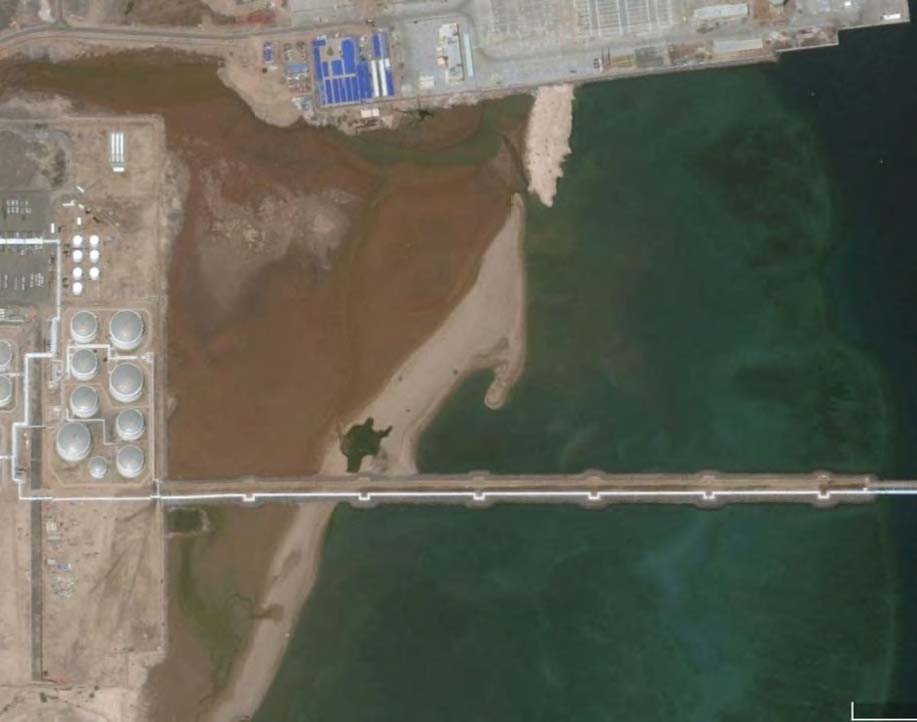
Djibouti Petroleum Terminal2016Djibouti, DjiboutiEncoGroupPipelineFire fighting pumping station & 20” sea water piping network addition to existing systemPDP Energy executed a review of the preliminary designs, a stress analysis and the detailed engineering for the project

Project Background & Objectives

The Djibouti Petroleum Terminal project was initiated to critically upgrade the safety and emergency response infrastructure of a major coastal oil storage facility in Djibouti. Driven by the terminal authorities’ need to fortify their active safety assets, the project involved adding a high-capacity sea pumping station and a 20-inch seawater piping network to the existing onshore firefighting framework. Within this critical industrial upgrade context, EncoGroup appointed PDP Energy to lead the complex technical evaluation and design validation. The primary company-specific objectives centered on executing a comprehensive review of the preliminary designs, a stress analysis, and the detailed engineering for the project, ensuring the new maritime firefighting infrastructure meets strict international safety and operational standards.

Project Challenges

Integrating a heavy-duty maritime seawater pumping infrastructure into an active, high-hazard petroleum terminal introduces severe engineering and physical challenges. Routing a large-bore 20-inch piping network from the sea to onshore facilities requires mitigating severe corrosion threats and dynamic marine forces while maintaining absolute structural integrity under massive pressure loads. PDP Energy had to navigate complex mechanical constraints, executing precise pipeline stress analysis to simulate thermal expansion, structural soil-pipe interactions, and transient water hammer effects. Additionally, reviewing preexisting preliminary blueprints required identifying and correcting subtle structural and process vulnerabilities to ensure the new pumping equipment functions flawlessly without disrupting ongoing fuel storage and transfer operations.

Project Outcomes

Operating as the primary detailed engineering and stress analysis partner, PDP Energy successfully delivered a validated design framework and a complete detailed engineering package for the firefighting expansion. The project effectively established a highly resilient, high-volume fire suppression asset tailored for mission-critical marine energy hubs. By providing rigorous technical design reviews and localized structural verifications, PDP Energy cleared the path for the secure deployment of the sea pumping station and 20-inch piping infrastructure, drastically upgrading the terminal’s emergency preparedness, safeguarding strategic fuel assets, and mitigating large-scale industrial risks.

Hadchit 152 KWp Water Well PV Pumping

Project Details

NameYearLocationClientTypeDescriptionScope
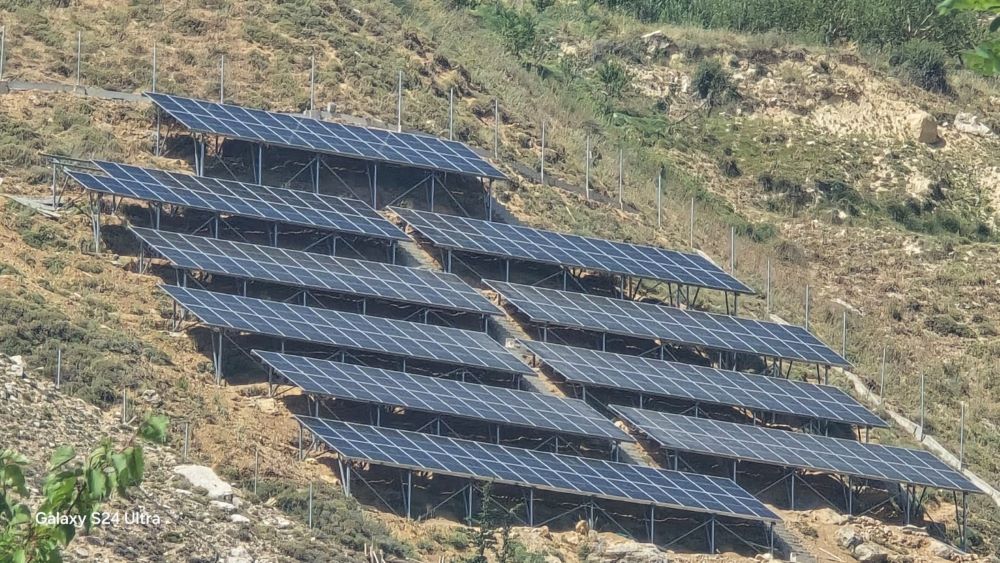
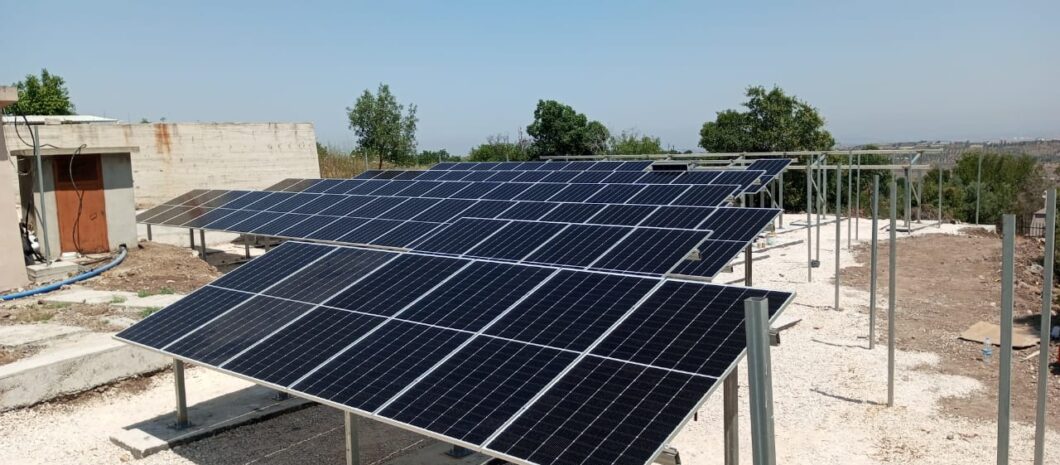
Hadchit 152 KWp Water Well PV Pumping2024Hadchit, LebanonUNDPPhotovoltaicSite supervision of a water well PV system constructionPDP Energy supervised the execution of the 152 kWp system to provide solar energy for pumping purpose

Project Background & Objectives

The Hadchit 152 KWp Water Well PV Pumping project was initiated to deploy a reliable, sustainable utility infrastructure solution aimed at securing continuous clean water access for the municipal area of Hadchit, Lebanon. Sponsored and driven by the United Nations Development Programme (UNDP), this vital community-focused initiative targeted the transition of heavy water extraction machinery away from unreliable national grids and costly diesel generation. Within this developmental context, PDP Energy was selected to command the critical quality assurance and execution phase of the asset. The primary company-specific objectives centered on executing the thorough site supervision of a water well PV system construction, where the team strictly supervised the execution of the 152 kWp system to provide solar energy for pumping purpose.

Project Challenges

Translating specialized solar engineering plans into field construction within rugged municipal terrains presents substantial operational and physical challenges. Managing site execution for a high-capacity 152 kWp array requires meticulous quality control across structural anchoring foundations, high-voltage DC cabling, and centralized inverter stations. PDP Energy had to navigate significant supervisory hurdles, including verifying proper component alignment on complex local topographies, ensuring robust grounding protections against voltage spikes, and coordinating heavy installation schedules without causing critical shutdowns to the village’s active water distribution network.

Project Outcomes

Operating as the primary technical supervisor on-site, PDP Energy successfully concluded its comprehensive field oversight and construction monitoring services for the photovoltaic installation. The project effectively guaranteed that all components of the 152 kWp pumping infrastructure were executed with maximum safety, long-term durability, and strict technical precision. By providing rigorous independent engineering supervision, PDP Energy helped secure a high-performing renewable asset that dramatically minimizes municipal fuel costs, lowers local carbon emissions, and ensures a dependable, eco-friendly water supply for thousands of residents across Hadchit.

Barja 178 KWp Water Well PV Pumping

Project Details

NameYearLocationClientTypeDescriptionScope
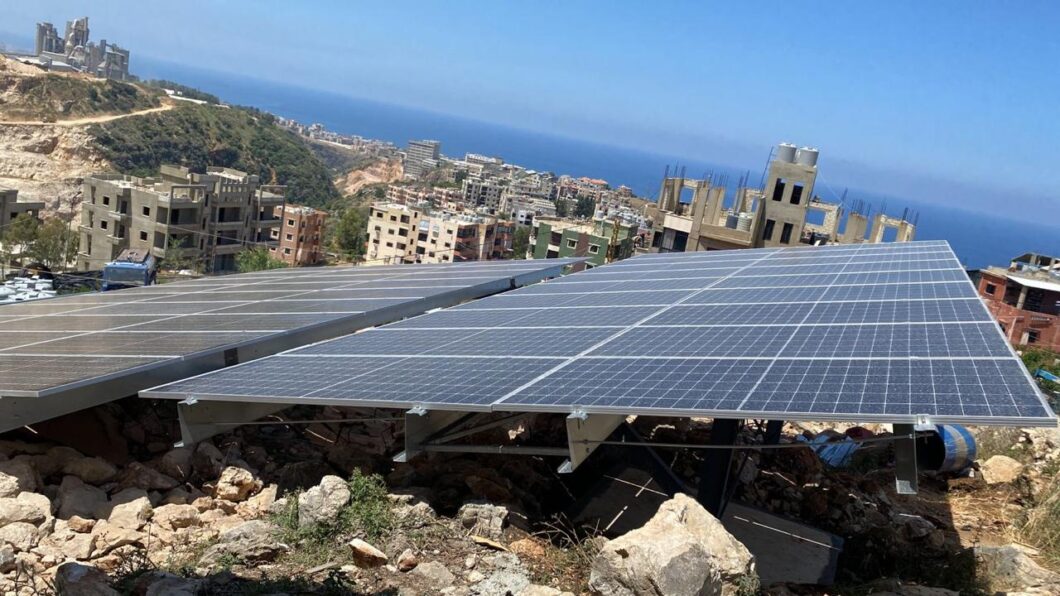
Barja 178 KWp Water Well PV Pumping2023Barja, LebanonUNDPPhotovoltaicSite supervision of a water well PV system constructionPDP Energy supervised the execution of the 178 kWp system to provide solar energy for pumping purpose

Project Background & Objectives

The Barja 178 KWp Water Well PV Pumping project was initiated to deploy a high-capacity, climate-resilient utility solution aimed at stabilizing local municipal water supplies in Barja, Lebanon. Sponsored and driven by the United Nations Development Programme (UNDP), this vital infrastructure initiative focused on shifting heavy electrical demand away from failing localized grids and expensive diesel generation. Within this developmental context, PDP Energy was selected to lead the critical quality assurance phase of the asset. The primary company-specific objectives centered on executing the thorough site supervision of a water well PV system construction, strictly overseeing the installation of the 178 kWp system to ensure the physical deployment perfectly aligned with international standards and successfully delivered clean solar energy for pumping purposes.

Project Challenges

Translating complex solar engineering blueprints into field construction for municipal pumping infrastructure presents substantial operational and physical challenges. Managing site execution for a large 178 kWp array requires meticulous quality control across structural foundations, high-voltage DC cabling, and specialized inverter stations. PDP Energy had to overcome significant supervisory hurdles, including verifying proper component alignment on complex local terrain, ensuring robust grounding protections against voltage spikes, and coordinating heavy installation schedules without causing critical shutdowns to the village’s active water distribution network.

Project Outcomes

Operating as the primary technical supervisor on-site, PDP Energy successfully delivered full site supervision and construction monitoring services for the photovoltaic installation. The project effectively guaranteed that all components of the 178 kWp pumping infrastructure were executed with maximum safety, durability, and technical precision. By providing rigorous field oversight, PDP Energy helped secure a high-performing renewable asset that dramatically cuts municipal fuel costs, lowers local carbon emissions, and ensures a dependable, eco-friendly water supply for thousands of residents in the region.

Project Gallery

Dar Al Aytam – Chemlan 36 KWp PV Plant

Project Details

NameYearLocationClientTypeDescriptionScope
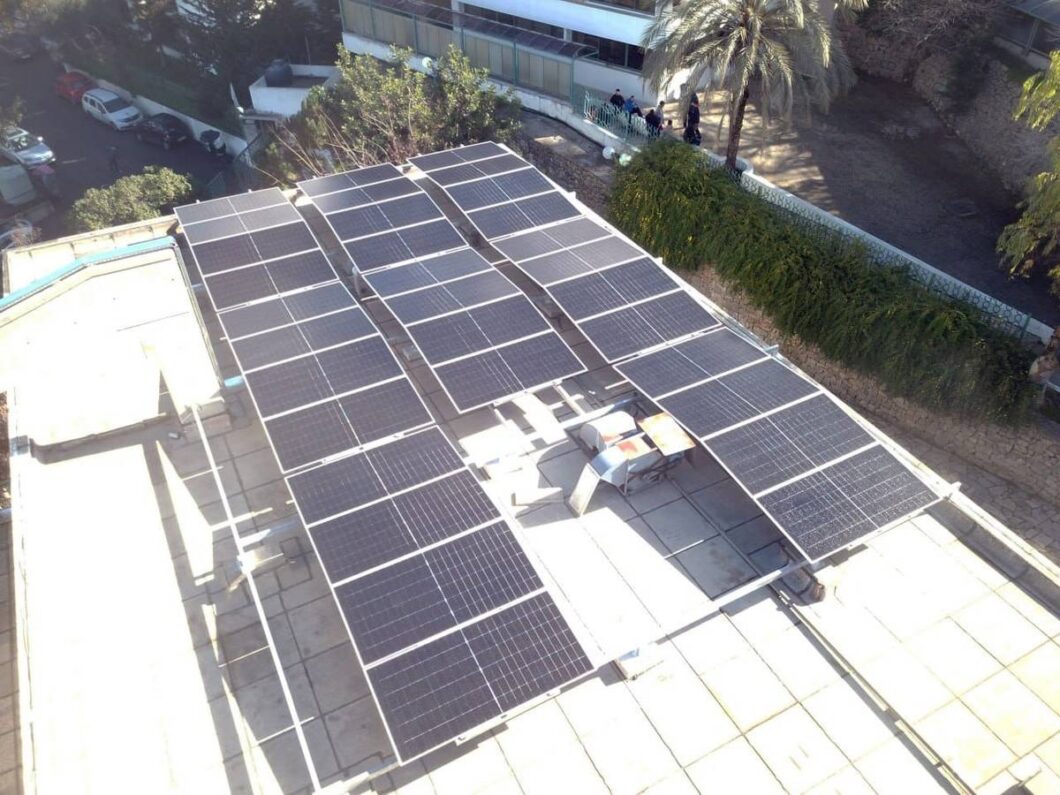
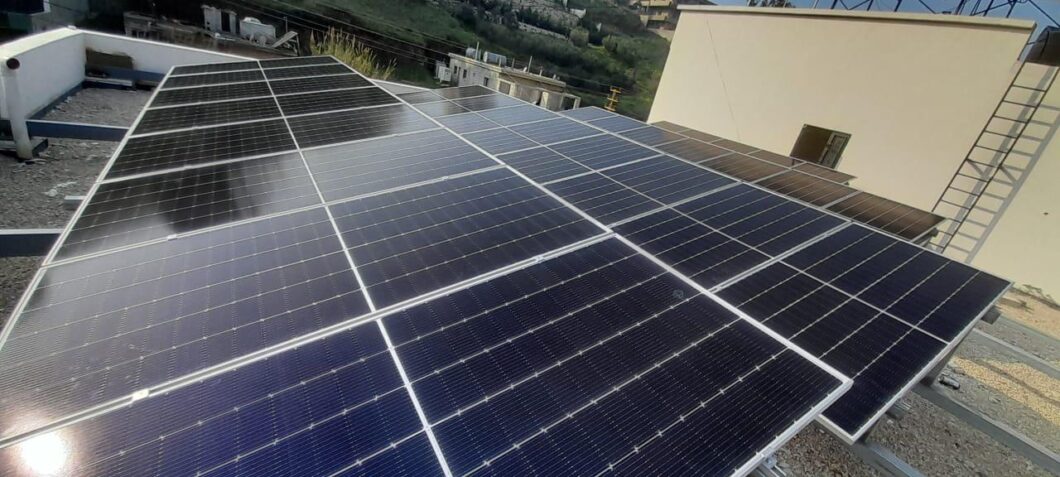
Dar Al Aytam - Chemlan 36 KWp PV Plant2024Chemlan, LebanonDar Al AytamPhotovoltaicClient Representative role for facility solar implementationPDP Energy oversaw the installation of the 36 kWp system

Project Background & Objectives

The Dar Al Aytam – Chemlan 36 KWp PV Plant project was initiated to deploy a reliable, sustainable power infrastructure solution for a vital social welfare institution in Chemlan, Lebanon. Commissioned by Dar Al Aytam, this commercial-scale project aimed to buffer the facility’s extensive operational footprint against the steep financial burdens of diesel fuel generation and severe national grid deficits. Within this critical community support context, PDP Energy was selected to protect the client’s interests throughout the asset deployment. The primary company-specific objectives centered on fulfilling the Client Representative role for facility solar implementation, where the engineering team directly oversaw the installation of the 36 kWp system to ensure strict alignment with safety, quality, and technical performance benchmarks.

Project Challenges

Acting as a client representative for an active social institution requires managing rigorous engineering standards without causing disruptions to daily care operations. PDP Energy had to navigate substantial quality-control hurdles, such as auditing third-party contractor schematics, validating component certifications, and monitoring structural roof-mounting integrity on existing institutional buildings. Ensuring that the installation process maintained maximum electrical safety, robust weatherproofing, and safe grid-interconnection capabilities required meticulous physical site inspections and constant technical verification to isolate installation errors before they became long-term operational liabilities.

Project Outcomes

Operating as the dedicated client representative, PDP Energy successfully concluded its comprehensive technical oversight and installation auditing services for the solar asset. The project effectively guaranteed that the 36 kWp photovoltaic system was executed to the highest engineering standards, ensuring long-term durability and structural safety. By delivering rigorous independent engineering supervision, PDP Energy paved the way for a high-performing renewable asset that dramatically lowers the institution’s monthly energy expenses, redirects vital financial resources back to child welfare, and secures a clean, uninterrupted power supply for the campus.

Project Gallery

Ain Ebel 141 KWp Water Well PV Pumping

Project Details

NameYearLocationClientTypeDescriptionScope
Ain Ebel 141 KWp Water Well PV Pumping2023Ain Ebel, LebanonUNDPPhotovoltaicStudy and design of a water well PV systemPDP Energy is executing the design of the 141 kWp system to provide solar energy for pumping purpose

Project Background & Objectives

The Ain Ebel 141 KWp Water Well PV Pumping project was initiated as a vital sustainable infrastructure development to secure reliable, clean-energy-powered water access for the local community while reducing dependence on volatile municipal grids and expensive fossil-fuel generators. Sponsored and driven by the United Nations Development Programme (UNDP), this decentralized photovoltaic installation was designed to supply direct solar power to optimize localized water pumping operations. Within this critical developmental context, PDP Energy was selected to lead the comprehensive engineering phase. The primary company-specific objectives centered on executing the complete study and detailed design of the 141 kWp photovoltaic system, ensuring seamless energy integration to power the vital pumping mechanics safely and efficiently.

Project Challenges

Powering municipal water well infrastructure with localized solar energy introduces unique engineering and mechanical challenges. Designing a system capable of handling the high initial surge currents required by heavy-duty water pumping motors demands exact technical planning. PDP Energy had to navigate these complexities by engineering a stable, highly efficient electrical layout that balances fluctuating real-time solar irradiance with the rigid, heavy electrical load of the pumps. This required meticulous system modeling, precise inverter configurations, and rigorous load-matching studies to ensure smooth operations without damaging the pumping equipment or disrupting the community’s water supply.

Project Outcomes

Operating as the primary engineering partner, PDP Energy successfully delivered the complete study and detailed design package for the 141 kWp PV pumping system. The project effectively established a model for modern, climate-resilient water infrastructure in rural Lebanon. By delivering precise and synchronized engineering designs, PDP Energy paved the way for a high-performance solar asset that dramatically lowers operational energy costs and ensures thousands of local residents have a clean, uninterrupted, and eco-friendly water supply.

Aitaroun 72 KWp Water Well PV Pumping

Project Details

NameYearLocationClientTypeDescriptionScope
Aitaroun 72 KWp Water Well PV Pumping2023Aitaroun, LebanonUNDPPhotovoltaicStudy and design of a water well PV systemPDP Energy is executing the design of the 72 kWp system to provide solar energy for pumping purpose

Project Background & Objectives

The Aitaroun 72 KWp Water Well PV Pumping project was initiated as a vital community-focused infrastructure development to secure dependable, clean-energy-powered water access for the local municipality while mitigating reliance on volatile electricity grids and expensive diesel generators. Sponsored and driven by the United Nations Development Programme (UNDP), this decentralized photovoltaic facility was designed to supply direct, sustainable power specifically for localized water pumping operations. Within this critical developmental framework, PDP Energy was selected to spearhead the engineering phase. The primary company-specific objectives centered on executing the complete study and detailed design of the 72 kWp photovoltaic system, ensuring seamless energy integration to drive the vital pumping mechanics safely and efficiently.

Project Challenges

Powering heavy-duty municipal water well infrastructure with localized solar energy introduces distinct mechanical and engineering complexities. Designing a system capable of handling the high initial surge currents required by water pumping motors demands exact technical foresight. PDP Energy had to overcome these technical hurdles by engineering a highly stable electrical layout that balances fluctuating real-time solar irradiance with the rigid, heavy electrical load of the pumps. This required meticulous system modeling, precise inverter configurations, and rigorous load-matching studies to guarantee smooth operations without damaging the pumping equipment or disrupting the community’s primary water source.

Project Outcomes

Operating as the primary engineering partner, PDP Energy successfully delivered the complete study and detailed design package for the 72 kWp PV pumping system. The project effectively established a model for modern, climate-resilient water infrastructure in Southern Lebanon. By delivering precise and synchronized engineering designs, PDP Energy paved the way for a high-performance solar asset that dramatically lowers operational energy costs and ensures thousands of local residents have a clean, uninterrupted, and eco-friendly water supply.

Machta Hammoud 50 KWp Water Well PV Pumping

Project Details

NameYearLocationClientTypeDescriptionScope
Machta Hammoud 50 KWp Water Well PV Pumping2023Machta Hammoud, LebanonUNDPPhotovoltaicStudy and design of a water well PV systemPDP Energy is executing the design of the 50 KWp system to provide solar energy for pumping purpose

Project Background & Objectives

The Machta Hammoud 50 KWp Water Well PV Pumping project was initiated to deploy a reliable, sustainable utility infrastructure asset designed to secure continuous clean water access for the municipality of Machta Hammoud, Lebanon. Sponsored and driven by the United Nations Development Programme (UNDP), this vital community-focused initiative targeted the transition of heavy water extraction machinery away from unreliable national grids and costly diesel generation. Within this crucial developmental context, PDP Energy was selected to command the complex technical modeling phase. The primary company-specific objectives centered on conducting the complete study and design of a water well PV system, where the engineering team successfully executed the detailed design of the 50 KWp system to provide clean solar energy for continuous pumping purposes.

Project Challenges

Engineering a specialized solar power framework to drive heavy-duty water well infrastructure introduces distinct mechanical and electrical coordination complexities. Designing a system capable of handling the high initial surge currents required by water pumping motors demands exact technical foresight. PDP Energy had to overcome these technical hurdles by engineering a highly stable electrical layout that balances fluctuating real-time solar irradiance with the rigid, heavy electrical load of the pumps. This required meticulous system modeling, precise inverter configurations, and rigorous load-matching studies to guarantee smooth operations without damaging the pumping equipment or causing sudden system trips.

Project Outcomes

Operating as the primary design engineering partner, PDP Energy successfully formulated and delivered the complete study and detailed electrical design package for the solar asset. The project effectively established a model for modern, climate-resilient water infrastructure in Northern Lebanon. By delivering precise and synchronized engineering designs, PDP Energy cleared the path for a high-performance solar asset that dramatically lowers municipal operational energy costs and ensures thousands of local residents have a clean, uninterrupted, and eco-friendly water supply.

Remmah 52 KWp Water Well PV Pumping

Project Details

NameYearLocationClientTypeDescriptionScope
Remmah 52 KWp Water Well PV Pumping2023Remmah, LebanonUNDPPhotovoltaicStudy and design of a water well PV systemPDP Energy executed the design of the 52 kWp system to provide solar energy for pumping purpose

Project Background & Objectives

The Remmah 52 KWp Water Well PV Pumping project was initiated to deploy a reliable, sustainable utility infrastructure solution aimed at securing continuous clean water access for the municipal area of Remmah, Lebanon. Sponsored and driven by the UNDP, this vital community-focused initiative targeted the transition of heavy water extraction machinery away from unreliable national grids and costly diesel generation. Within this developmental context, PDP Energy was selected to command the complex technical modeling phase. The primary company-specific objectives centered on conducting the complete study and design of a water well PV system, where the engineering team successfully executed the detailed design of the 52 kWp system to provide solar energy for pumping purpose.

Project Challenges

Engineering a specialized solar power framework to drive heavy-duty water well infrastructure introduces distinct mechanical and electrical coordination complexities. Designing a system capable of handling the high initial surge currents required by water pumping motors demands exact technical foresight. PDP Energy had to overcome these technical hurdles by engineering a highly stable electrical layout that balances fluctuating real-time solar irradiance with the rigid, heavy electrical load of the pumps. This required meticulous system modeling, precise inverter configurations, and rigorous load-matching studies to guarantee smooth operations without damaging the pumping equipment or causing sudden system trips.

Project Outcomes

Operating as the primary design engineering partner, PDP Energy successfully formulated and delivered the complete study and detailed electrical design package for the solar asset. The project effectively established a model for modern, climate-resilient water infrastructure in regional Lebanon. By delivering precise and synchronized engineering designs, PDP Energy cleared the path for a high-performance solar asset that dramatically lowers municipal operational energy costs and ensures thousands of local residents have a clean, uninterrupted, and eco-friendly water supply.