ArchivesInstrumentation, Control & Automation

Chehim 172 KWp Water Well PV Pumping

Project Details

NameYearLocationClientTypeDescriptionScope
Chehim 172 KWp Water Well PV Pumping2022Chehim, LebanonUNDPPhotovoltaicStudy and design of a water well PV system for one well pump and one booster pumpPDP Energy executed the design of the 172 kWp system to provide solar energy for pumping purpose

Project Background & Objectives

The Chehim 172 KWp Water Well PV Pumping project was initiated to build a resilient, sustainable utility infrastructure asset designed to secure continuous clean water access for the municipal area of Chehim, Lebanon. Sponsored and driven by the United Nations Development Programme (UNDP), the initiative aimed to transition heavy water extraction machinery away from unreliable national grids and costly diesel generation. Within this crucial developmental context, PDP Energy was selected to command the complex technical modeling phase. The primary company-specific objectives centered on conducting the complete study and design of a water well PV system for one well pump and one booster pump, ensuring a highly integrated solar framework to drive the 172 kWp system and provide reliable solar energy for continuous pumping purposes.

Project Challenges

Engineering a specialized solar power framework that must simultaneously supply energy to both a heavy-duty deep-well pump and a secondary booster pump introduces severe load-coordination and electrical hurdles. PDP Energy had to resolve intense technical challenges surrounding the massive, overlapping initial surge currents required when both high-power motors start up. Balancing these rigid and heavy motor demands with the natural, real-time fluctuations of solar irradiance required advanced electrical configuration. The design demanded highly precise inverter staging configurations, specialized load-shedding protections, and meticulous network modeling to prevent system trips, voltage drops, or mechanical stress on the pumping equipment.

Project Outcomes

Operating as the primary design engineering partner, PDP Energy successfully delivered the complete study and detailed electrical design package for the multi-pump solar asset. The project effectively established a leading technical reference for complex, dual-load municipal renewable infrastructure in Mount Lebanon. By providing synchronized and robust engineering blueprints, PDP Energy cleared the path for the installation of a high-performance 172 kWp solar pumping system that dramatically minimizes municipal fuel costs, lowers regional carbon footprints, and secures an uninterrupted, eco-friendly water distribution network for thousands of local citizens.
LAU Jbeil Campus 990 KWp PV Plant

Project Details

NameYearLocationClientTypeDescriptionScope
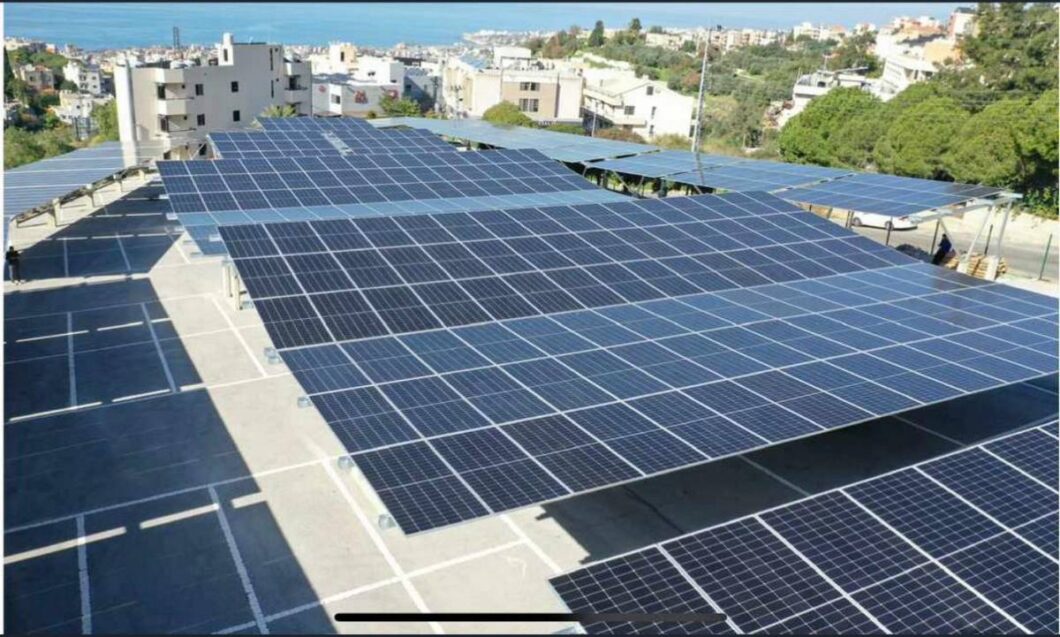
LAU Jbeil Campus 990 KWp PV Plant2024Jbeil, LebanonLAUPhotovoltaicLarge hillside institutional campus solar installationConceptual design, detailed design, tender documents preparation, and installation oversight

Project Background & Objectives

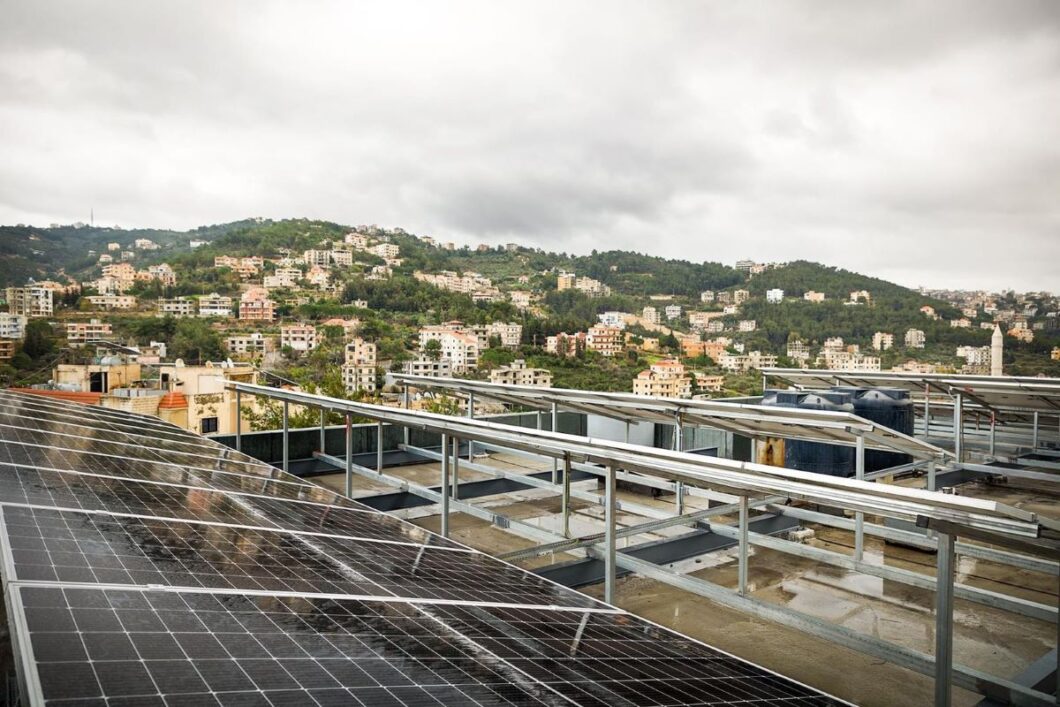
The LAU Jbeil Campus 990 KWp PV Plant project was initiated to deploy a high-capacity, sustainable power infrastructure asset for a premier educational institution in Jbeil, Lebanon. Commissioned directly by the Lebanese American University (LAU), this large hillside institutional campus solar installation aimed to transition the campus away from heavy reliance on volatile public electricity grids and expensive diesel generators. Within this critical facility management and green transition framework, PDP Energy was selected to direct all phases of the project lifecycle. The primary company-specific objectives centered on delivering a complete technical roadmap, which included the conceptual design, detailed design, tender documents preparation, and installation oversight of the near-megawatt 990 kWp solar asset.

Project Challenges

Designing and integrating a large commercial-scale photovoltaic network across a highly sloped, multi-level hillside university campus introduces severe spatial, civil, and electrical complexities. PDP Energy had to navigate the structural challenges of distributed roof-mounting across multiple existing hillside buildings, ensuring proper wind-load engineering, varied tracking orientation profiles, and building envelope preservation without causing disruption to academic calendars. On the electrical side, the multi-building system required advanced network integration to sync fluctuating solar irradiance with complex institutional microgrids. This demanded meticulous load-profiling, specialized inverter staging, and rigorous protection coordination to safely manage bidirectional power transfer without risking equipment damage or voltage drops in sensitive campus research laboratory and computing networks.

Project Outcomes

Operating as the primary full-lifecycle engineering partner, PDP Energy successfully formulated and delivered the complete conceptual and detailed engineering designs, structural tender packages, and physical on-site construction monitoring services. The project effectively established a leading technical benchmark for large-scale institutional solar deployment in the region. By providing synchronized and robust engineering blueprints alongside independent quality assurance, PDP Energy cleared the path for the secure deployment of the 990 kWp solar asset, ensuring long-term operational cost savings, structural safety, and a highly stable, eco-friendly energy supply for thousands of campus students and faculty members.

Project Gallery

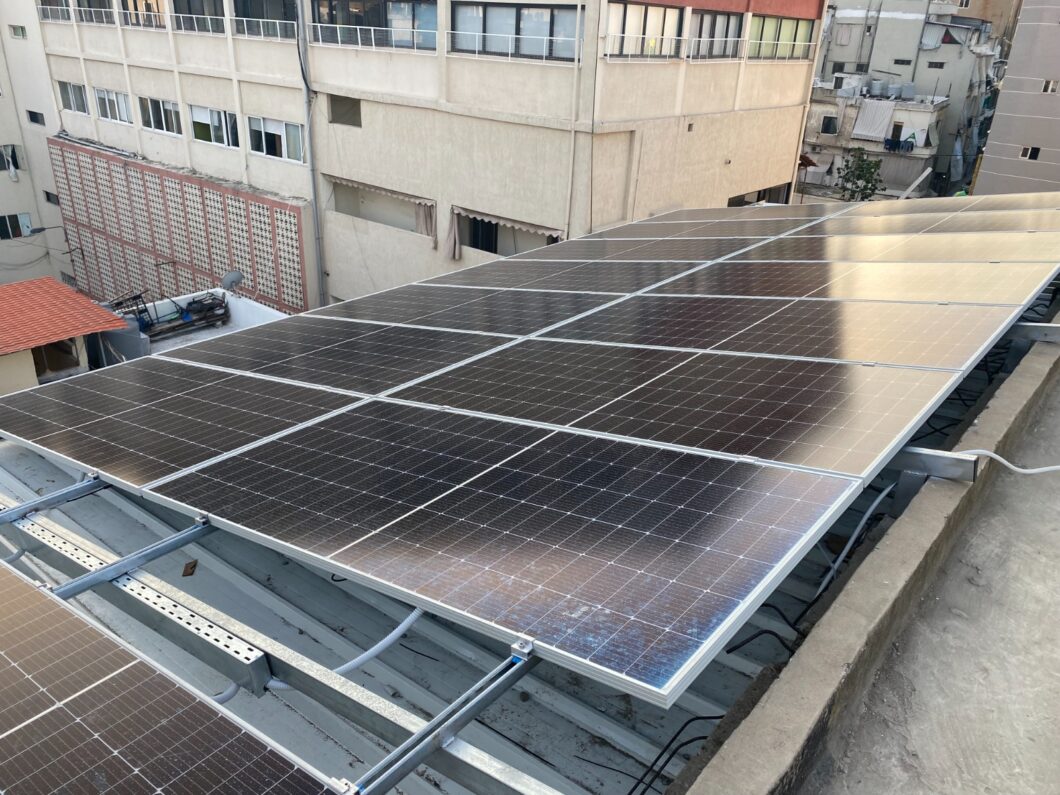
LAU Beirut Campus 467 KWp PV Plant

Project Details

NameYearLocationClientTypeDescriptionScope
LAU Beirut Campus 467 KWp PV Plant2024Beirut, LebanonLAUPhotovoltaicLarge institutional campus solar PV plant developmentConceptual design, detailed design, tender documents preparation, and installation oversight

Project Background & Objectives

The LAU Beirut Campus 467 KWp PV Plant project was initiated to deploy a high-capacity, sustainable power infrastructure solution for a premier educational institution in Beirut, Lebanon. Commissioned directly by the Lebanese American University (LAU), this large institutional campus solar PV plant development aimed to transition the campus away from heavy reliance on volatile public electricity grids and expensive diesel generators. Within this critical facility management and green transition framework, PDP Energy was selected to direct all phases of the project lifecyle. The primary company-specific objectives centered on delivering a complete technical roadmap, which included the conceptual design, detailed design, tender documents preparation, and installation oversight of the 467 kWp solar asset.

Project Challenges

Designing and integrating a large commercial-scale photovoltaic network across a highly dense, active urban university campus introduces severe spatial, civil, and electrical complexities. PDP Energy had to navigate the structural challenges of distributed roof-mounting across multiple existing campus buildings, ensuring proper wind-load engineering and building envelope preservation without causing disruption to academic calendars. On the electrical side, the multi-building system required advanced network integration to sync fluctuating solar irradiance with complex institutional microgrids. This demanded meticulous load-profiling, specialized inverter staging, and rigorous protection coordination to safely manage bidirectional power transfer without risking equipment damage or voltage drops in sensitive campus laboratory and computing networks.

Project Outcomes

Operating as the primary full-lifecycle engineering partner, PDP Energy successfully formulated and delivered the complete conceptual and detailed engineering designs, structural tender packages, and physical on-site construction monitoring services. The project effectively established a leading technical benchmark for large-scale institutional solar deployment in metropolitan Lebanon. By providing synchronized and robust engineering blueprints alongside independent quality assurance, PDP Energy cleared the path for the secure deployment of the 467 kWp solar asset, ensuring long-term operational cost savings, structural safety, and a highly stable, eco-friendly energy supply for thousands of campus students and faculty members.

Project Gallery

Kfifan Convent 24 KWp PV Plant

Project Details

NameYearLocationClientTypeDescriptionScope
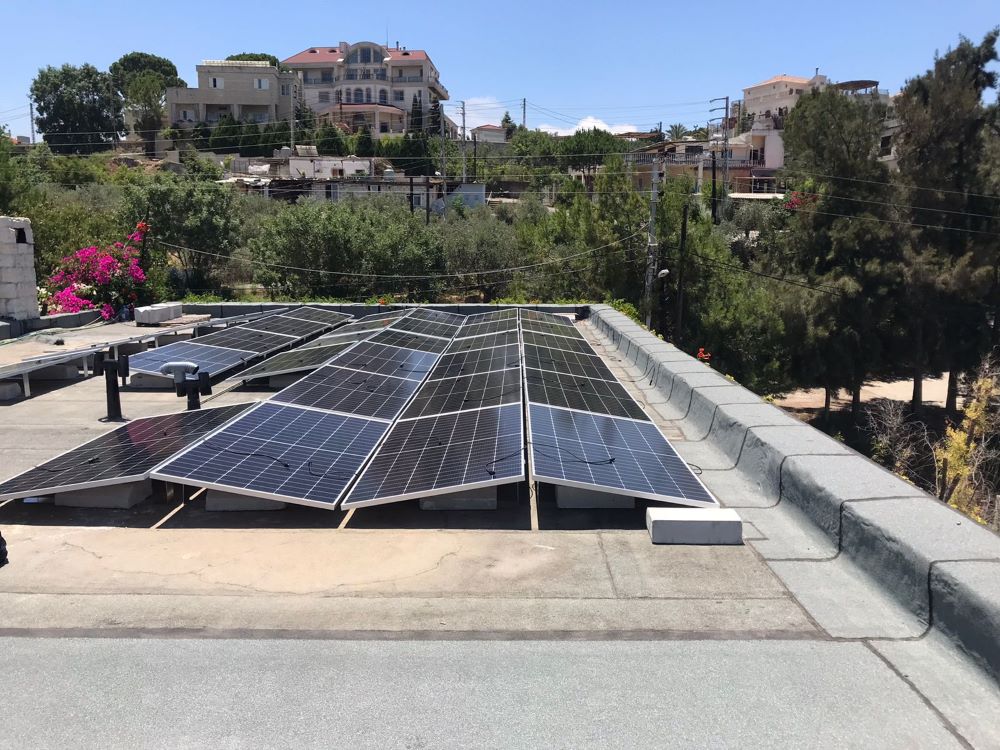
Kfifan Convent 24 KWp PV Plant2022Kfifan, LebanonOffre JoiePhotovoltaicConceptual design and installation of a 24 kWp solar PV setupExecuted conceptual design and oversaw the installation

Project Background & Objectives

The Kfifan Convent 24 KWp PV Plant project was initiated to deploy a reliable, sustainable power infrastructure solution for a historic community and institutional site in Kfifan, Lebanon. Commissioned by the non-governmental organization Offre Joie, this localized renewable initiative aimed to insulate the facility from chronic national grid deficits and the heavy financial burdens of diesel fuel generation. Within this community-focused development context, PDP Energy was selected to lead the engineering and quality assurance phases of the asset. The primary company-specific objectives centered on the conceptual design and installation of a 24 kWp solar PV setup, where the engineering team successfully executed the conceptual design and oversaw the installation to guarantee top-tier operational efficiency and safety.

Project Challenges

Integrating a modern photovoltaic array into a historic convent facility introduces unique structural, aesthetic, and electrical engineering hurdles. PDP Energy had to navigate significant technical constraints, including evaluating the load-bearing capacity of existing older roof structures and choosing non-invasive mounting systems that preserve the site’s structural integrity. On the electrical side, the system required precise inverter configurations and localized grid-interconnection mapping to balance fluctuating real-time solar irradiance with the facility’s specific daily load demands. This required detailed modeling to implement robust fault protection and grounding systems, eliminating the risk of voltage spikes or operational disruptions to the active community space.

Project Outcomes

Operating as the primary design and quality assurance partner, PDP Energy successfully delivered the complete engineering package and finalized on-site construction monitoring for the solar asset. The project effectively established a model for sustainable, decentralized energy integration at cultural and community institutions. By combining precise technical designs with rigorous field oversight, PDP Energy cleared the path for a high-performing 24 kWp solar PV setup that dramatically lowers the convent’s monthly energy expenses, cuts localized reliance on fossil-fuel generators, and secures a clean, uninterrupted power supply to support the facility’s social and community programs.

Burj Hammoud 14 KWp PV Street Lighting

Project Details

NameYearLocationClientTypeDescriptionScope
Burj Hammoud 14 KWp PV Street Lighting2023Burj Hammoud, LebanonUNDPPhotovoltaicStreet lighting solar system with battery backup and community center connectionExecuted system and street lighting design; directed excess power to community center

Project Background & Objectives

The Burj Hammoud 14 KWp PV Street Lighting project was initiated to deploy a smart, decentralized municipal infrastructure asset aimed at restoring public safety and public space utility in Burj Hammoud, Lebanon. Sponsored and driven by the United Nations Development Programme (UNDP), this community-centric initiative targeted urban optimization by installing a sustainable street lighting solar system with battery backup. Within this developmental context, PDP Energy was selected to handle the specialized system integration phase. The primary company-specific objectives centered on executing the comprehensive system and street lighting design, ensuring stable nighttime illumination while engineering an innovative power diversion layout to direct excess solar power to a local community center.

Project Challenges

Designing a reliable, dual-purpose solar lighting network in a dense municipal zone introduces complex load management and battery engineering hurdles. PDP Energy had to navigate fluctuating real-time solar generation constraints to guarantee a steady backup supply for the public lighting network throughout the night. Balancing this rigid nocturnal consumption load while simultaneously calculating, tracking, and safely rerouting daytime surplus generation into a highly active community center required highly meticulous electrical schematic design. This demanding framework called for advanced charge control configurations and robust fault protection mapping to prevent energy losses, voltage drops, or system overloads.

Project Outcomes

Operating as the primary design and integration engineering partner, PDP Energy successfully delivered the complete solar system, battery storage, and structural street lighting engineering package. The project successfully established a resilient, modern blueprint for dual-benefit municipal solar infrastructure in metropolitan regions. By providing detailed, synchronized electrical designs, PDP Energy cleared the way for a high-performance 14 kWp asset that significantly lowers municipal operational costs, ensures safe public streets after dark, and provides a continuous stream of free, eco-friendly energy to support local community services.

Sefrou Hydroelectric Plant

Project Details

NameYearLocationClientTypeDescriptionScope
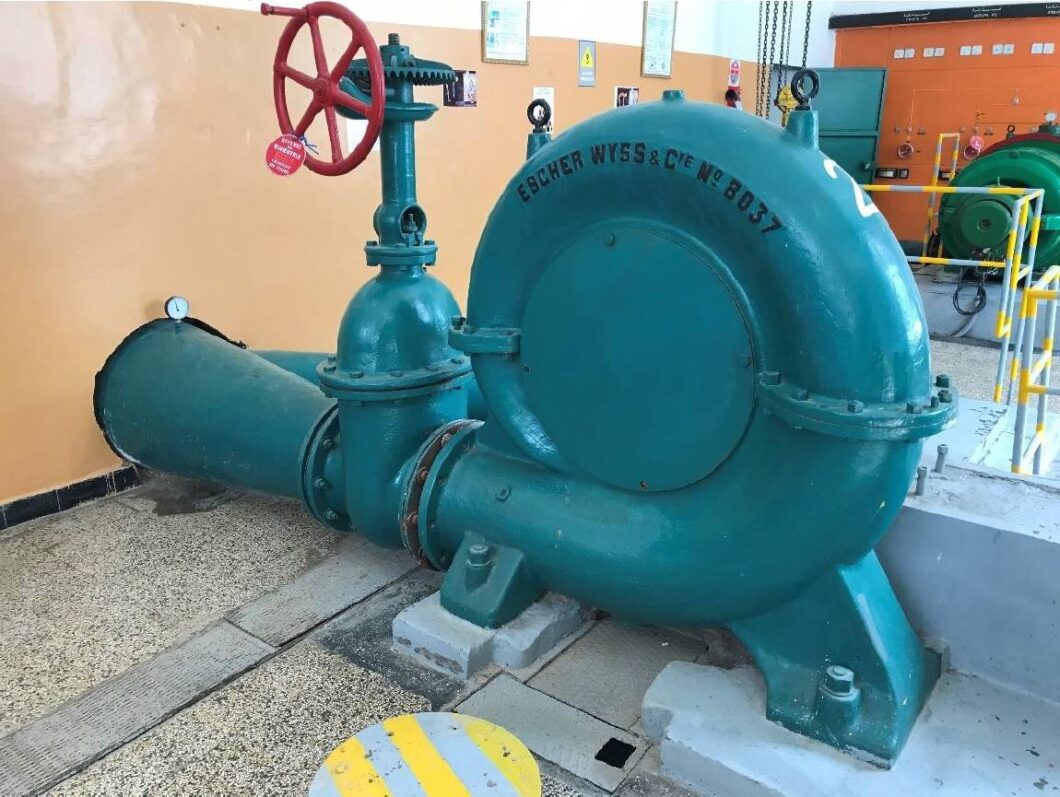
Sefrou Hydroelectric Plant2020Sefrou, MoroccoGicomeHydroelectric Power PlantRenovation project of a hydroelectric plant consisting of three 200 kW Francis turbinesPreliminary design and feasibility study for the renovation

Project Background & Objectives

The Sefrou Hydroelectric Plant project was initiated to critically revitalize and modernize a foundational renewable energy asset in Sefrou, Morocco. Commissioned by Gicome, this utility-scale development focused on a comprehensive renovation project of a hydroelectric plant consisting of three 200 kW Francis turbines. Within this strategic clean energy modernization context, PDP Energy was selected to direct the crucial early analytical and structural modeling phases. The primary company-specific objectives centered on executing the comprehensive preliminary design and feasibility study for the renovation, establishing a highly optimized technical and economic framework to restore the aging plant’s runtime efficiency and grid compatibility.

c

Project Challenges

Re-engineering and modernizing a brownfield hydroelectric facility equipped with legacy Francis turbines introduces severe mechanical, hydraulic, and electrical integration hurdles. Working within existing civil water structures requires highly precise fluid dynamics modeling to evaluate current water flow rates, head pressures, and potential runner cavitation threats across the three independent units. PDP Energy had to navigate complex technical constraints, executing exhaustive mechanical stress assessments and electrical degradation audits on older machinery components. Furthermore, designing an upgraded automation, protection, and synchronization framework to safely interface the 600 kW collective generation block with modern regional utility grids demanded meticulous foresight to avoid voltage dips or grid integration failures.

Project Outcomes

Operating as the primary technical consulting and design partner, PDP Energy successfully formulated and delivered the complete preliminary design package and comprehensive technical feasibility study for the hydroelectric renovation. The project effectively established an optimized, high-precision engineering blueprint tailored for the modernization of small-scale hydro infrastructure in North Africa. By providing detailed mechanical upgrade configurations, hydraulic fluid simulations, and synchronized electrical layouts, PDP Energy cleared a secure path for Gicome to implement high-performance technology upgrades that maximize annual energy yields, extend the asset’s operational life, and secure a reliable stream of eco-friendly power.

Project Gallery

Berbera 7 MWp PV Plant

Project Details

NameYearLocationClientTypeDescriptionScope
Berbera 7 MWp PV Plant2020Berbera, SomalilandECOsysPhotovoltaicEPC project for a 7 MWp solar plantExecuted the design of the plant AC part

Project Background & Objectives

The Berbera 7 MWp PV Plant project was initiated as a flagship clean energy infrastructure development to significantly boost power availability and reduce heavy fossil fuel dependency in Berbera, Somaliland. Commissioned as part of a utility-scale EPC project for a 7 MWp solar plant, the commercial facility was designed to introduce highly efficient renewable generation to a rapidly growing coastal region. Within this structural deployment framework, ECOsys engaged PDP Energy to take charge of the highly specialized electrical network architecture. The primary company-specific objectives focused on executing the precise electrical design of the plant’s AC subsystem, ensuring a robust power distribution framework that securely steps up generated solar energy for grid transmission.

Project Challenges

Designing the alternating current (AC) infrastructure for a high-capacity 7 MWp generation facility in an arid, high-temperature environment introduces demanding technical hurdles. PDP Energy had to navigate complex electrical design constraints, including optimizing medium-voltage substation layouts, choosing thermally resilient distribution cabling, and sizing high-efficiency step-up transformers capable of enduring harsh environmental conditions. Additionally, maintaining system reliability required engineering strict protection coordination and harmonic distortion mitigation schemes, preventing electrical imbalances from destabilizing the local network or causing critical equipment downtime.

Project Outcomes

Operating as the critical electrical engineering partner, PDP Energy successfully delivered the complete AC engineering and design package for the utility-scale installation. The project successfully established a high-performance electrical backbone, ensuring the safe and continuous flow of clean power from the solar arrays into the local distribution grid. By providing synchronized and robust design solutions, PDP Energy paved the way for the successful commissioning of the 7 MWp renewable asset, significantly lowering regional utility generation costs and delivering eco-friendly electricity to homes and businesses across Berbera.

Project Gallery

Dedougou 18 MWp PV Plant

Project Details

NameYearLocationClientTypeDescriptionScope
Dedougou 18 MWp PV Plant2026Dedougou, Burkina FasoButecPhotovoltaicEPC project for an 18 MWp PV solar plant equipped with solar trackersExecuting overall detailed engineering (mechanical/electrical) and preparing equipment RFQs

Project Background & Objectives

The Dedougou 18 MWp PV Plant project was initiated as a flagship utility-scale renewable development to dramatically expand clean generation capacity and stabilize the regional electricity grid in Dedougou, Burkina Faso. Commissioned by Butec, this large-scale infrastructure asset involves building a high-performance 18 MWp PV solar plant equipped with solar trackers to maximize generation yield throughout the day. Within this major engineering, procurement, and construction (EPC) framework, PDP Energy was selected to handle the central engineering responsibilities. The primary company-specific objectives focus on executing the overall detailed engineering (mechanical/electrical) and preparing equipment RFQs, ensuring the massive facility is built on a highly optimized, fully compliant technical foundation.

Project Challenges

Designing a utility-scale 18 MWp facility featuring dynamic solar trackers introduces intense mechanical and electrical coordination challenges, especially in harsh West African environments. PDP Energy had to navigate severe technical hurdles, including tracking geometry calculations, motor power distribution, and structural wind-load designs to ensure the tracking mechanisms withstand extreme environmental elements. On the electrical side, managing large-scale DC and AC cable calculations, designing centralized inverter stations, and mitigating rapid generation fluctuations requires highly precise network modeling. Compounding these complexities, drafting comprehensive equipment Requests for Quotations (RFQs) demanded strict alignment with tight international specifications to guarantee absolute component compatibility and system longevity.

Project Outcomes

Operating as the primary detailed engineering partner, PDP Energy successfully formulated the complete mechanical and electrical detailed design package along with the technical RFQ documentation for the utility asset. The project effectively established a highly efficient, modern blueprint for tracker-based solar infrastructure in sub-Saharan Africa. By providing synchronized and precise engineering layouts, PDP Energy cleared the way for the secure deployment of the 18 MWp solar plant, ensuring maximized annual energy yields, reduced regional carbon emissions, and a highly stable clean energy feed into the local transmission network.

Freetown 6 MWp PV Plant

Project Details

NameYearLocationClientTypeDescriptionScope
Freetown 6 MWp PV Plant2018Freetown, Sierra LeoneSMRTPhotovoltaicEPC project for a 6 MWp solar farm with a 61KV substation and overhead grid linesPart of JV for EPC; handled civil design, AC side, substation, and overhead connection

Project Background & Objectives

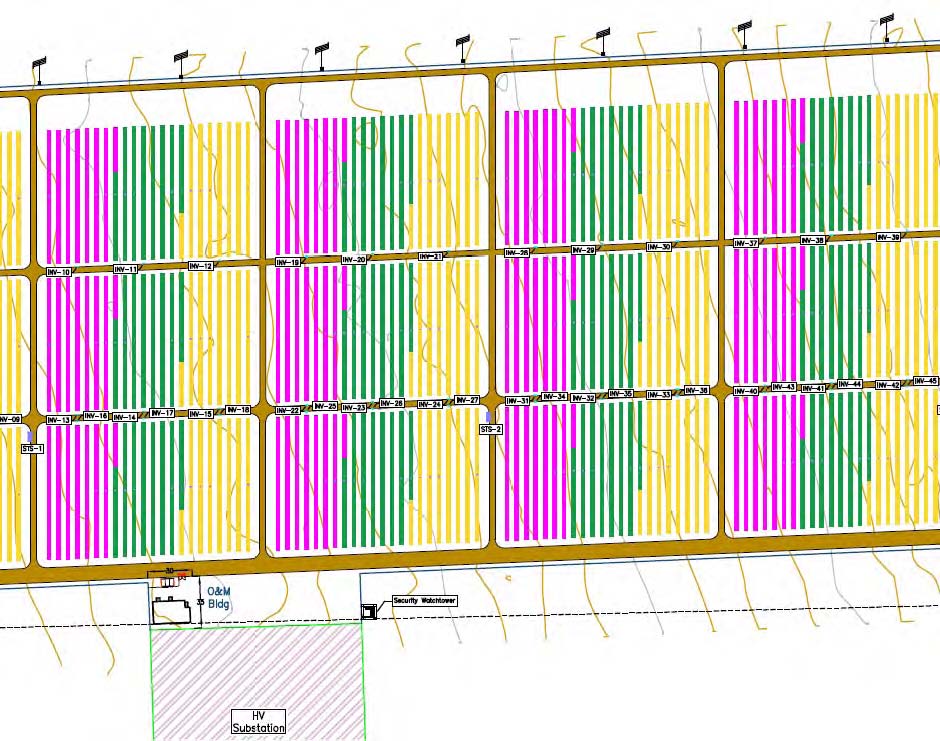
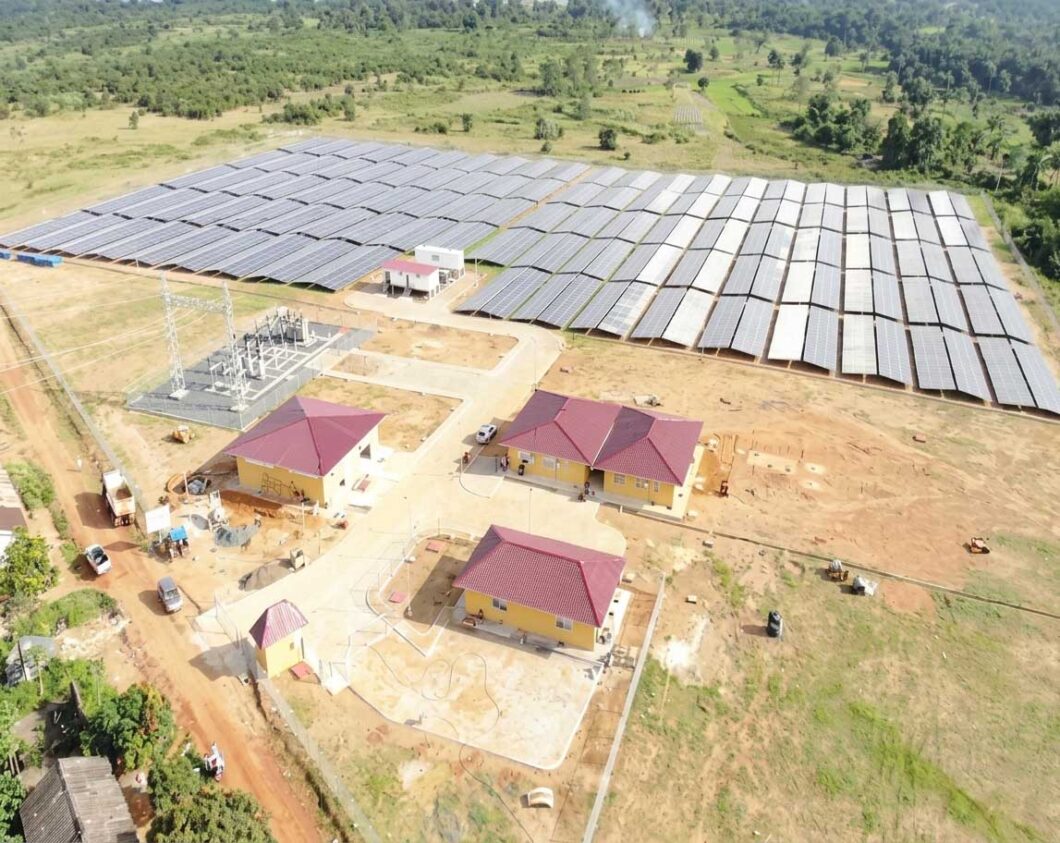
The Freetown 6 MWp PV Plant was initiated as a landmark renewable infrastructure development to diversify Sierra Leone’s national energy mix and reduce its heavy reliance on imported fossil fuels. Sponsored by the International Renewable Energy Agency (IRENA) and funded by the Abu Dhabi Fund for Development (ADFD), the utility-scale installation was designed to feed clean electricity directly into the national grid to satisfy roughly 6% of Freetown’s total power demand. Within this critical development context, PDP Energy joined the engineering, procurement, and construction (EPC) joint venture under the client SMRT Projects & Energy Solutions.
 
The primary company-specific objectives centered on executing the complex detailed power plant engineering and procurement technicalities. This focused on safely integrating the new clean energy capacity via precise civil engineering layouts, full AC-side system design, and the development of a 61KV distribution substation leading up to a secure overhead transmission grid connection.

Project Challenges

Introducing the nation’s first large-scale PV facility presented significant engineering and logistical complexities. Connecting a new fluctuating renewable source into an under-developed local utility network required rigorous grid-stability planning. PDP Energy had to overcome these technical hurdles by designing robust infrastructure from scratch, including complex low- and high-voltage connections, comprehensive civil engineering layouts, a dedicated 61KV distribution substation, and a specialized overhead grid line extension to guarantee safe, stable power injection without overloading the existing network.

Project Outcomes

Operating within a specialized joint venture, PDP Energy successfully delivered the complete detailed power plant engineering package, covering the entire AC network side and substation infrastructure. The project effectively established a model for modern renewable energy deployment in West Africa. By delivering stable, synchronized grid connections, the engineering framework successfully paved the way for commissioning a pioneering solar asset that provides high-performance, eco-friendly electricity to thousands of urban households and local businesses.

Project Gallery

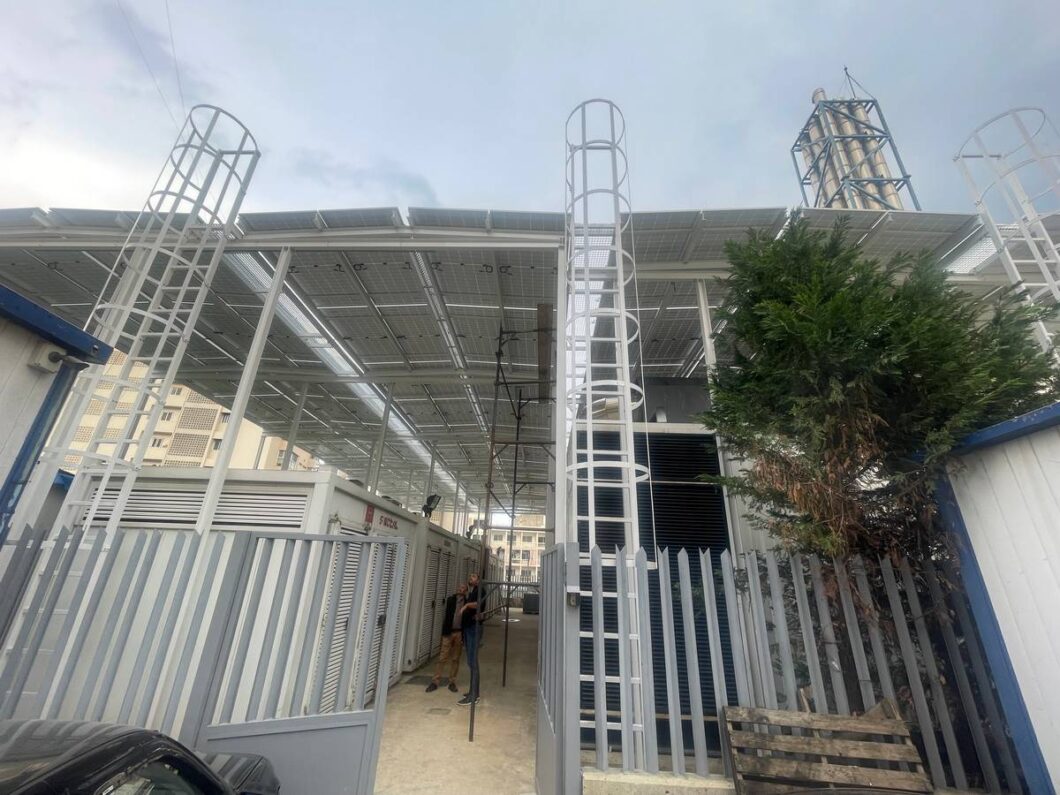
Eko Atlantic City Central 60 MW Power Plant

Project Details

NameYearLocationClientTypeDescriptionScope
Eko Atlantic City Central 60 MW Power Plant2024Lagos, NigeriaEko AtlanticPower PlantGas power plant based on four-stroke Hyundai engines for Eko Atlantic City electricityExecuting full detailed engineering (mechanical, electrical, instrumentation, and control)

Project Background & Objectives

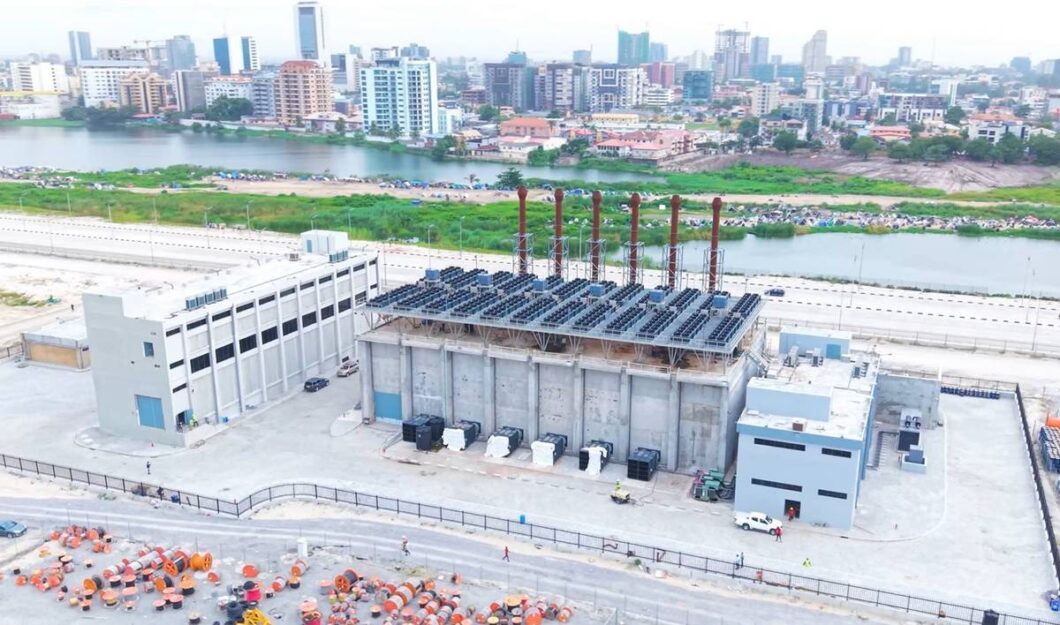
The Eko Atlantic City Central 60 MW Power Plant project was initiated to build a cutting-edge, high-capacity captive power solution to support the massive infrastructure development of Eko Atlantic City in Lagos, Nigeria. Commissioned directly by Eko Atlantic, this utility-scale project involves the construction of a reliable gas power plant based on four-stroke Hyundai engines designed to serve as the primary electricity source for the entire modern district. Within this massive urban development framework, PDP Energy was selected to lead the complete technical realization phase. The primary company-specific objectives centered on executing full detailed engineering (mechanical, electrical, instrumentation, and control), establishing a highly integrated and optimized blueprint for the multi-engine generation facility.

Project Challenges

Designing a centralized 60 MW gas power plant within a rapidly growing, high-density coastal city introduces extreme engineering, thermodynamic, and control complexities. Coordinating four-stroke Hyundai gas engines requires meticulous mechanical engineering to optimize fuel gas supply lines, exhaust systems, and high-volume cooling water infrastructure under tight spatial constraints. On the electrical and automation side, PDP Energy had to resolve intense hurdles regarding synchronized load-sharing across multiple massive engine units, managing transient grid stability, and mitigating harmonic distortions. Furthermore, engineering the unified instrumentation and control (I&C) systems demanded crafting complex, redundant automation networks capable of monitoring thousands of real-time process loops to guarantee immediate fault detection and prevent cascading power blackouts across the new city.

Project Outcomes

Operating as the primary detailed engineering partner, PDP Energy successfully delivered the complete mechanical, electrical, instrumentation, and control engineering packages for the power generation facility. The project effectively established an unshakeable, utility-grade energy foundation tailored for Africa’s premier modern smart city. By delivering highly synchronized and robust multi-disciplinary technical blueprints, PDP Energy cleared the path for the secure deployment of the 60 MW gas power plant, ensuring an uninterrupted, stable, and highly efficient electricity supply to sustain residential high-rises, commercial centers, and vital civic infrastructure across Eko Atlantic.

Project Gallery