ArchivesMiddle East

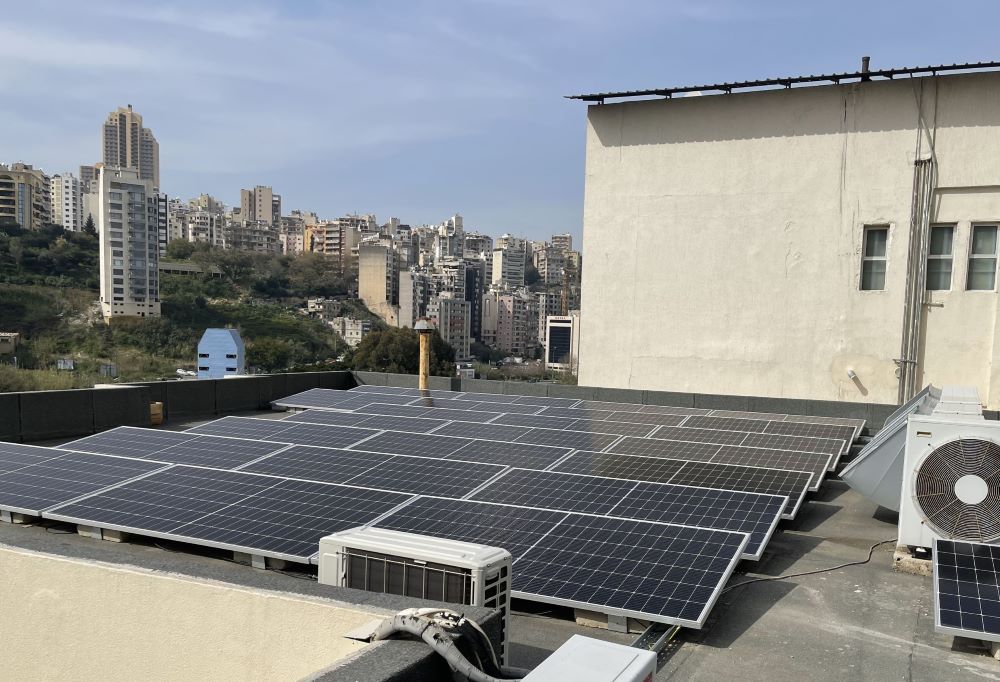
Burj Hammoud 14 KWp PV Street Lighting

Project Details

NameYearLocationClientTypeDescriptionScope
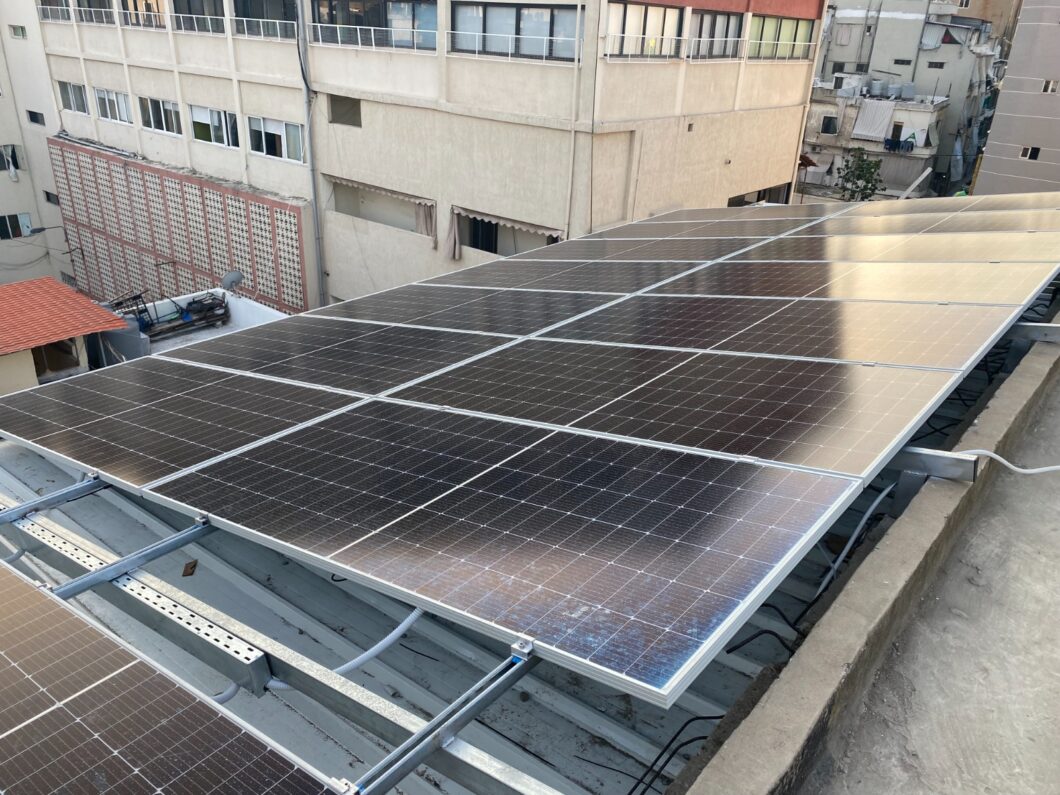
Burj Hammoud 14 KWp PV Street Lighting2023Burj Hammoud, LebanonUNDPPhotovoltaicStreet lighting solar system with battery backup and community center connectionExecuted system and street lighting design; directed excess power to community center

Project Background & Objectives

The Burj Hammoud 14 KWp PV Street Lighting project was initiated to deploy a smart, decentralized municipal infrastructure asset aimed at restoring public safety and public space utility in Burj Hammoud, Lebanon. Sponsored and driven by the United Nations Development Programme (UNDP), this community-centric initiative targeted urban optimization by installing a sustainable street lighting solar system with battery backup. Within this developmental context, PDP Energy was selected to handle the specialized system integration phase. The primary company-specific objectives centered on executing the comprehensive system and street lighting design, ensuring stable nighttime illumination while engineering an innovative power diversion layout to direct excess solar power to a local community center.

Project Challenges

Designing a reliable, dual-purpose solar lighting network in a dense municipal zone introduces complex load management and battery engineering hurdles. PDP Energy had to navigate fluctuating real-time solar generation constraints to guarantee a steady backup supply for the public lighting network throughout the night. Balancing this rigid nocturnal consumption load while simultaneously calculating, tracking, and safely rerouting daytime surplus generation into a highly active community center required highly meticulous electrical schematic design. This demanding framework called for advanced charge control configurations and robust fault protection mapping to prevent energy losses, voltage drops, or system overloads.

Project Outcomes

Operating as the primary design and integration engineering partner, PDP Energy successfully delivered the complete solar system, battery storage, and structural street lighting engineering package. The project successfully established a resilient, modern blueprint for dual-benefit municipal solar infrastructure in metropolitan regions. By providing detailed, synchronized electrical designs, PDP Energy cleared the way for a high-performance 14 kWp asset that significantly lowers municipal operational costs, ensures safe public streets after dark, and provides a continuous stream of free, eco-friendly energy to support local community services.
Nasco 50 KWp PV Plant

Project Details

NameYearLocationClientTypeDescriptionScope
Nasco 50 KWp PV Plant2023Beirut, LebanonNasco Insurance GroupPhotovoltaicInstallation of a 50 kWp PV system across two building roofsDesign review, equipment technical approval, and site installation supervision

Project Background & Objectives

The Nasco 50 KWp PV Plant project was initiated to deploy a reliable, sustainable corporate power infrastructure solution for a premier commercial facility in Beirut, Lebanon. Commissioned by the Nasco Insurance Group, this targeted renewable initiative aimed to protect the company’s regional headquarters against volatile municipal grid deficits and rising diesel generator expenses. Within this facility optimization framework, PDP Energy was selected to command the critical engineering validation and quality assurance phases of the asset. The primary company-specific objectives centered on executing a comprehensive design review, equipment technical approval, and site installation supervision, managing the clean integration of a 50 kWp PV system across two building roofs to guarantee peak performance and safety.

Project Challenges

Designing and integrating a commercial-scale solar network split across two distinct structural rooftops introduces complex civil and electrical engineering hurdles within a dense urban landscape. PDP Energy had to navigate the dual-site coordination constraints, evaluating individual load-bearing roof capacities and choosing non-invasive anchoring mechanisms that protect building envelope integrity against harsh weather elements. On the electrical side, linking independent rooftop arrays into a unified power system required precise inverter staging and intricate cabling layouts. This demanded meticulous technical vetting of contractor submittals and equipment specifications to enforce robust fault protections and grounding schemes, avoiding voltage drops or operational disruptions to the active corporate offices below.

Project Outcomes

Operating as the primary independent engineering auditor and quality supervisor, PDP Energy successfully concluded its exhaustive technical reviews, material approvals, and field installation monitoring services. The project effectively established a highly resilient, modern blueprint for multi-roof corporate solar deployment in urban environments. By combining precise technical design compliance with rigorous on-site oversight, PDP Energy cleared the path for the successful commissioning of the 50 kWp photovoltaic asset, ensuring substantial monthly energy cost savings for the client, reducing centralized carbon exposure, and securing a stable, eco-friendly energy supply for corporate operations.

ISF Dbayeh Campus 35 KWp PV Plant

Project Details

NameYearLocationClientTypeDescriptionScope
ISF Dbayeh Campus 35 KWp PV Plant2022Dbayeh, LebanonSiren AssociatesPhotovoltaicRoof PV plant with a battery storage system for a newly built Control & Command CenterRealized a load study and the conceptual design

Project Background & Objectives

The ISF Dbayeh Campus 35 KWp PV Plant project was initiated to secure a resilient, highly dependable renewable power architecture for critical security infrastructure in Dbayeh, Lebanon. Commissioned by Siren Associates, this highly specialized facility focused on providing dedicated backup autonomy for a mission-critical Control & Command Center. Within this high-security public institutional framework, PDP Energy was appointed to orchestrate the vital early engineering and load-balancing phases. The primary company-specific objectives centered on engineering a robust, decentralized energy supply by deploying a Roof PV plant with a battery storage system, where the engineering team successfully realized a load study and the conceptual design to ensure the 35 kWp system operates flawlessly during grid outages.

Project Challenges

Powering a specialized law enforcement control and command facility introduces intense electrical engineering constraints and strict reliability standards. Because a security operations center requires continuous operation with absolute data integrity, the microgrid must manage fluctuating real-time solar irradiance without causing any power disruptions. PDP Energy had to navigate complex technical hurdles, including precisely analyzing irregular structural roof profiles, sizing high-performance battery banks to withstand deep discharge cycles, and mapping critical versus non-critical security loads. This demanding evaluation required advanced electrical modeling to ensure smooth transitions between the solar arrays, battery backup, and the local utility grid without risking catastrophic hardware failures or communication downtime.

Project Outcomes

Operating as the primary conceptual engineering partner, PDP Energy successfully formulated and delivered the comprehensive load study and conceptual microgrid design package. The project effectively established an advanced, climate-resilient technical blueprint for critical public safety infrastructure in Lebanon. By delivering highly precise load-matching models and synchronized electrical layouts, PDP Energy paved the way for the secure installation of the 35 kWp solar asset, ensuring the command center gains absolute power redundancy, safeguards vital communication loops, and operates with complete energetic self-sufficiency under emergency conditions.

Akkar Wind Energy 220 KV Substation

Project Details

NameYearLocationClientTypeDescriptionScope
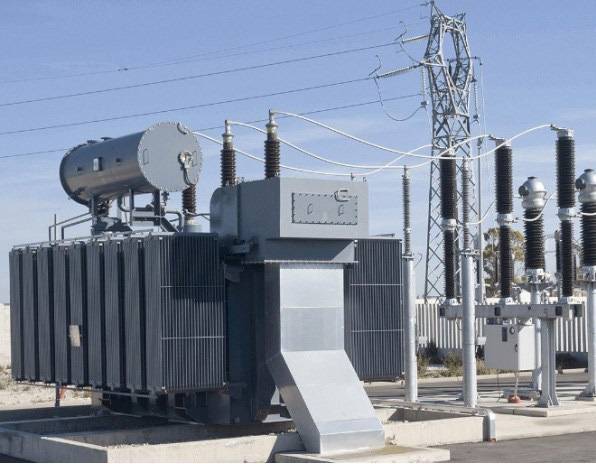
Akkar Wind Energy 220 KV Substation2018Akkar, LebanonSustainable Akkar/LWP/Hawa AkkarSubstationHigh-voltage network connection substation (220 KV/300 MVA) for a wind energy projectExecuting conceptual design and detailed engineering of the substation

Project Background & Objectives

The Akkar Wind Energy 220 KV Substation project was initiated as a landmark high-voltage infrastructure development to integrate clean wind power into Lebanon’s national electrical grid and strengthen regional energy security. Commissioned for the joint development spearheaded by Sustainable Akkar, LWP, and Hawa Akkar, this utility-scale facility acts as the core high-voltage connection hub for a major wind energy project. Within this critical renewable development context, PDP Energy was selected to lead the extensive engineering phase. The primary company-specific objectives centered on executing the conceptual design and detailed engineering of the 220 KV / 300 MVA substation, ensuring a robust network connection to handle large-scale intermittent clean energy capacity.

Project Challenges

Integrating a large-scale, fluctuating wind generation source into an under-developed local utility grid introduces extreme technical and network-stability challenges. Managing a massive 300 MVA power flow capacity while ensuring strict voltage regulation and fault protection at a high-voltage level of 220 KV requires highly complex electrical coordination. PDP Energy had to overcome these critical hurdles by engineering robust protection schemes, specialized harmonic filtering, and meticulous substation layout topologies from scratch. This intensive planning was necessary to guarantee safe, stable, and bidirectional power transfer without overloading the national transmission network or risking catastrophic equipment failures.

Project Outcomes

Operating as the primary engineering partner, PDP Energy successfully delivered the complete conceptual design and detailed engineering package for the high-voltage substation infrastructure. The project effectively established a technical blueprint for utility-scale wind energy integration in the region. By delivering stable, synchronized grid-connection designs, PDP Energy’s engineering framework paved the way for commissioning a pioneering 300 MVA energy asset that feeds thousands of megawatt-hours of eco-friendly power into the national grid.

Bednayel 15 MWp PV Plant

Project Details

NameYearLocationClientTypeDescriptionScope
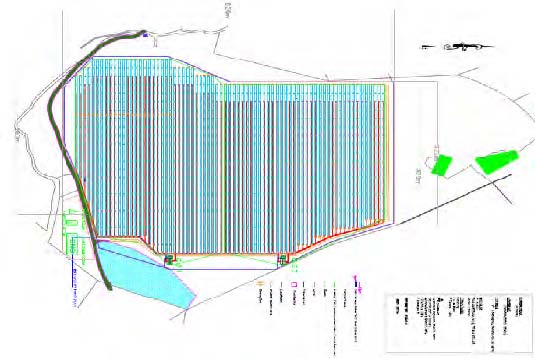
Bednayel 15 MWp PV Plant2018Bednayel, LebanonManalcoPhotovoltaic15 MWp PV plant connected by a 6 km overhead line to the EDL substationRealized Connection Study and design of the MV overhead line connection

Project Background & Objectives

The Bednayel 15 MWp PV Plant project was initiated as a major utility-scale renewable energy advancement to feed clean solar power directly into Lebanon’s national transmission network. Commissioned by Manalco, this high-capacity development involved the engineering of a 15 MWp photovoltaic facility requiring an expansive 6 km medium-voltage overhead line to bridge the generation site with the state utility (EDL) substation. Within this large-scale infrastructural network context, PDP Energy was selected to orchestrate the vital grid integration phase. The primary company-specific objectives focused on realizing the comprehensive connection study and detailed design of the MV overhead line connection, establishing a secure and highly optimized power evacuation pathway.

Project Challenges

Transmitting 15 MWp of volatile solar power over a long 6 km overhead transmission corridor introduces significant electrical and structural engineering hurdles. PDP Energy had to navigate severe technical complexities, including mitigating substantial voltage drop risks over the long distance, calculating line impedance, and designing robust thermal capacity parameters for the conductors. Additionally, interfacing a large private generation asset with an unstable public utility grid required engineering complex protection coordination schemes and transient stability modeling to prevent reverse power flows or grid trips at the EDL substation.

Project Outcomes

Operating as the specialized grid-integration engineer, PDP Energy successfully delivered the complete connection study and engineering design package for the medium-voltage overhead line. The project effectively established a highly accurate and compliant technical model for utility-scale solar evacuation in the region. By delivering flawless electrical transmission blueprints, PDP Energy cleared the way for the secure deployment of the 15 MWp solar asset, guaranteeing safe, high-efficiency power delivery across the 6 km span into the national grid.

Rachid Karame 5 MWp PV Plant

Project Details

NameYearLocationClientTypeDescriptionScope
Rachid Karame 5 MWp PV Plant2017Tripoli, LebanonPhoenix energyPhotovoltaicFirst utility-grid connected 5 MWp solar PV plant impact study in LebanonExecuted connection and grid impact assessment study

Project Background & Objectives

The Rachid Karame 5 MWp PV Plant project was initiated as a historic, utility-scale renewable energy milestone to advance the integration of clean power into the northern regional network of Tripoli, Lebanon. Commissioned by Phoenix energy, this pioneering infrastructure asset represented the first utility-grid connected 5 MWp solar PV plant impact study in Lebanon. Within this highly significant regulatory and structural engineering framework, PDP Energy was appointed to command the critical analytical modeling phase. The primary company-specific objectives centered on evaluating network compatibility and safety, where the engineering team successfully executed the connection and grid impact assessment study required to bridge the massive solar plant safely with the national utility grid.

Project Challenges

Interfacing the nation’s very first large-scale intermittent solar resource with a fragile, under-developed national utility network introduces profound electrical engineering and system stability hurdles. Simulating how an unstable grid would respond to rapid, real-time power fluctuations from a 5 MWp photovoltaic facility demands extremely sophisticated modeling. PDP Energy had to navigate complex analytical constraints, including conducting comprehensive load-flow modeling, calculating short-circuit current capacities, and executing transient stability simulations. Resolving these challenges was vital to identify potential voltage drops, harmonic distortions, or reverse power flows that could trip regional substations, disrupt the local transmission infrastructure, or compromise the safety of the utility workforce.

Project Outcomes

Operating as the specialized network consulting partner, PDP Energy successfully formulated and delivered the definitive connection and grid impact assessment study. The project effectively established an unprecedented technical blueprint and regulatory benchmark for utility-scale solar integration across Lebanon. By providing highly precise power evacuation models, localized protection schemes, and verified grid-interconnection parameters, PDP Energy cleared the path for the secure deployment of the 5 MWp renewable asset, giving state utility operators total operational confidence and accelerating the nation’s transition toward sustainable utility-grade power.

Boqaata Dam

Project Details

NameYearLocationClientTypeDescriptionScope
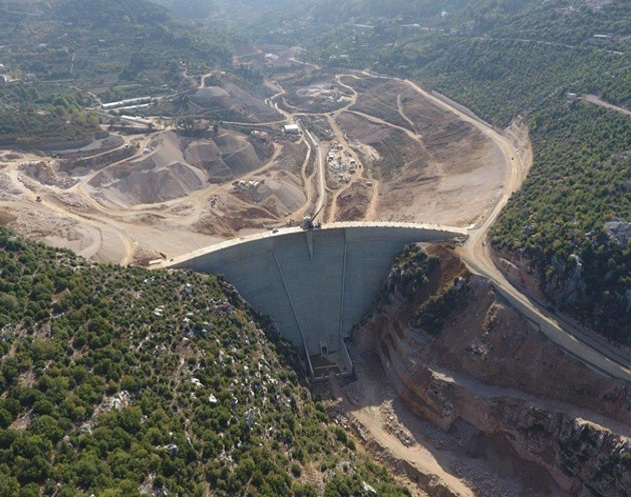
Boqaata Dam2017Boqaata, LebanonKhoury contracting Co.Infrastructure7 million m³ water reservoir dam with a structural height of 71mOverall design of the electrical network for the plant, internal galleries, and road lighting

Project Background & Objectives

The Boqaata Dam project was initiated as a major national infrastructure development to secure massive water storage and optimize regional resources in Boqaata, Lebanon. Commissioned by Khoury contracting Co., this large-scale project involved constructing a 7 million m³ water reservoir dam with a prominent structural height of 71m. Within this complex civil engineering framework, PDP Energy was appointed to take charge of the comprehensive electrical systems design. The primary company-specific objectives focused on creating the overall design of the electrical network for the plant, internal galleries, and road lighting, ensuring continuous, reliable power for critical operating mechanisms, monitoring networks, and service zones.

Project Challenges

Designing a robust electrical infrastructure for a high-capacity reservoir dam presents intense architectural and environmental hurdles. PDP Energy had to navigate severe technical constraints when planning the electrical distribution through deep internal concrete galleries characterized by continuous dampness, moisture exposure, and strict space limitations. Sizing and routing power cables to operate flawlessly under these high-humidity conditions required selecting specialized corrosion-resistant materials and engineering tight fault protection. Furthermore, coordinating multi-zone external road lighting and plant machinery circuits demanded precise voltage drop calculations and secure backup power contingencies to prevent dangerous blackouts along the massive 71m structure.

Project Outcomes

Operating as the primary electrical engineering partner, PDP Energy successfully delivered the complete electrical network and lighting design package for the reservoir infrastructure. The project effectively established a highly resilient, modern power framework tailored for heavy municipal utility assets. By providing detailed technical schematics and synchronized protection designs, PDP Energy cleared the way for secure, long-term operations at the 7 million m³ facility, ensuring maximum safety for maintenance crews within the galleries and reliable control over regional water distribution networks.

Sibline 16 MW Power Plant

Project Details

NameYearLocationClientTypeDescriptionScope
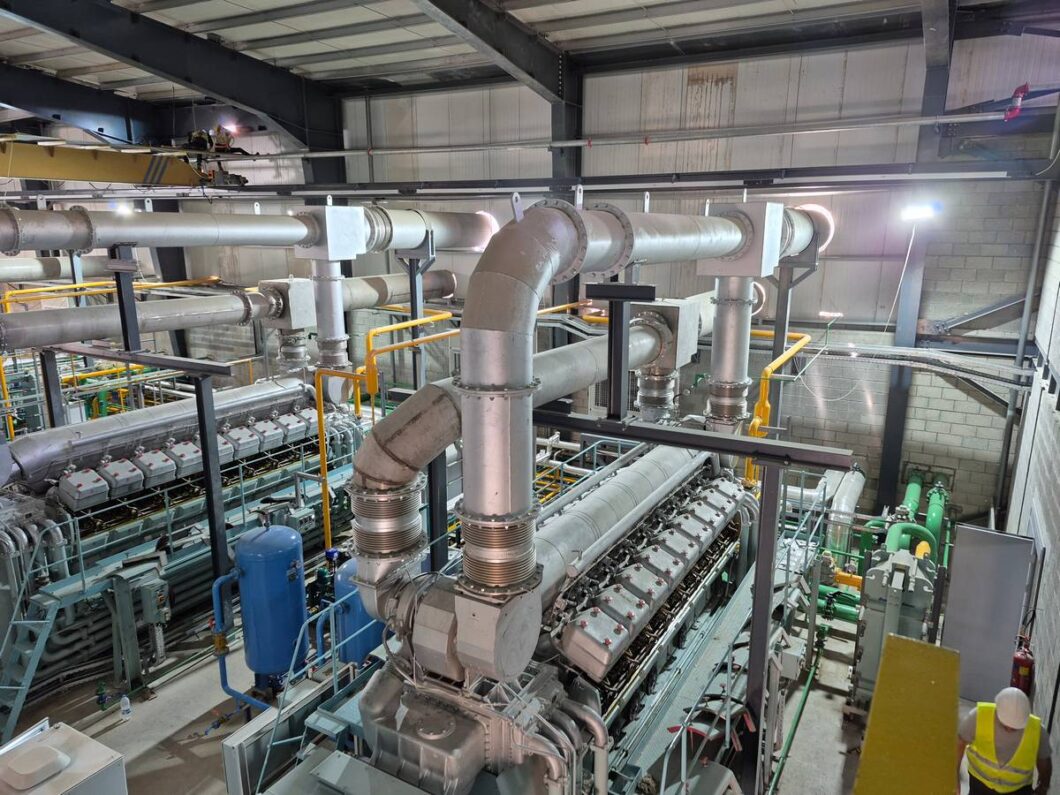
Sibline 16 MW Power Plant2023Sibline, LebanonSakr Power GenerationPower PlantHFO power plant based on four-stroke MAN enginesExecuting detailed design and preparing procurement specifications (mechanical, electrical, I&C)

Project Background & Objectives

The Sibline 16 MW Power Plant project was initiated to build a dedicated, heavy-duty captive generation facility to support high-demand industrial operations in Sibline, Lebanon. Commissioned by Sakr Power Generation, this utility-scale project focused on establishing a highly stable independent energy asset to run a massive localized manufacturing infrastructure. Within this critical industrial development framework, PDP Energy was selected to command the complete multidisciplinary technical realization phase. The primary company-specific objectives centered on executing detailed design and preparing procurement specifications (mechanical, electrical, I&C), setting up an optimized and fully synchronized blueprint for a modern HFO power plant based on four-stroke MAN engines.

Project Challenges

Designing and integrating a heavy fuel oil (HFO) power plant built around massive four-stroke MAN engines introduces extreme mechanical, thermal, and control complexities, particularly within an active industrial landscape. PDP Energy had to navigate tight process constraints, including optimizing highly complex heavy fuel handling, pre-heating, and viscosity control subsystems alongside large-volume cooling fluid arrays. On the electrical and automation side, integrating a 16 MW block required meticulous planning to handle transient stability, manage heavy structural motor load variations, and prevent voltage dips. Furthermore, drafting comprehensive procurement specifications for mechanical, electrical, and instrumentation and control (I&C) networks demanded strict technical accuracy to ensure absolute component compatibility, robust fault protections, and long-term equipment security.

Project Outcomes

Operating as the primary detailed engineering and procurement advisory partner, PDP Energy successfully formulated and delivered the complete multi-disciplinary detailed design packages and technical procurement specifications for the power plant. The project effectively established an optimized, highly resilient technical framework tailored for high-capacity industrial captive power. By providing synchronized civil-mechanical layouts, precise process schematics, and advanced electrical network blueprints, PDP Energy cleared the path for the secure deployment of the 16 MW energy asset, ensuring complete operational energy self-sufficiency, protecting core industrial machinery from grid disruptions, and guaranteeing a continuous, high-efficiency electricity supply.

Project Gallery

Presidential Palace 4 MW Power Plant

Project Details

NameYearLocationClientTypeDescriptionScope
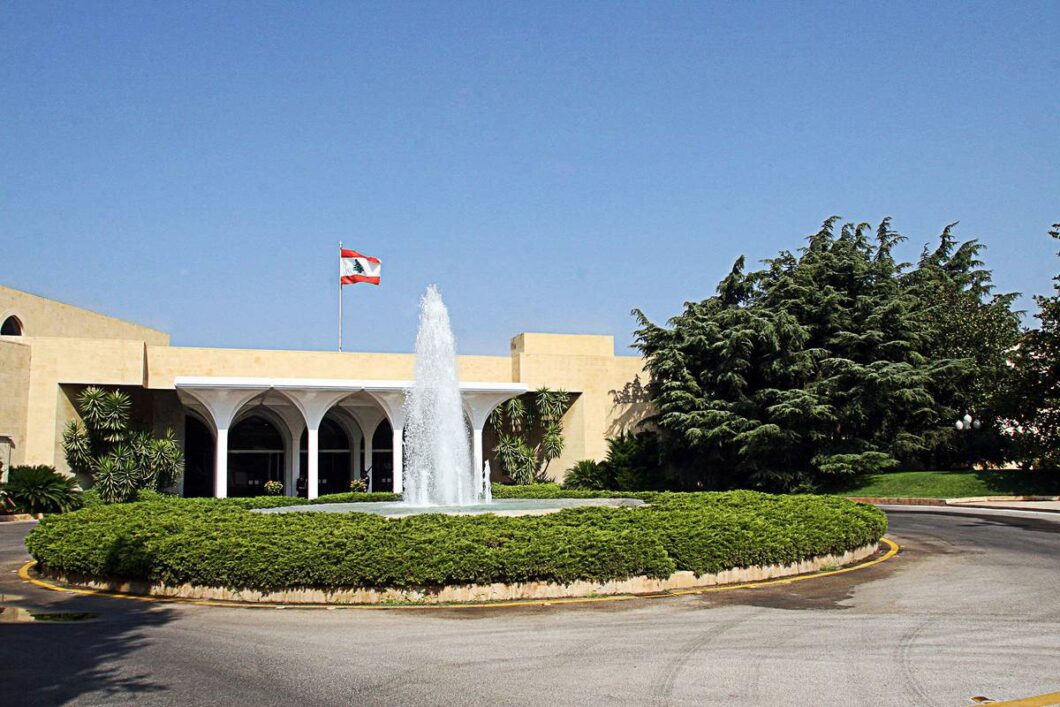
Presidential Palace 4 MW Power Plant2015Baabda, LebanonPresidential palace authoritiesPower PlantRenovation and extension project of the palace's emergency diesel plant and networkRealized conceptual design and prepared specifications and tender documents

Project Background & Objectives

The Presidential Palace 4 MW Power Plant project was initiated to critically upgrade and secure the sovereign backup power infrastructure for the nation’s primary governance campus in Baabda, Lebanon. Commissioned directly by the presidential palace authorities, this highly critical asset focused on a comprehensive renovation and extension project of the palace’s emergency diesel plant and network. Within this high-security public institutional framework, PDP Energy was selected to spearhead the advanced advisory and early technical modeling phases. The primary company-specific objectives centered on delivering a complete engineering roadmap, where the team successfully realized the conceptual design and prepared specifications and tender documents to ensure the 4 MW generation facility operates with absolute reliability and complete energetic autonomy during national grid crises.

Project Challenges

Overhauling and expanding a highly strategic power network inside a fully operational, high-security presidential compound presents intense spatial, structural, and electrical engineering hurdles. Because a primary governance facility demands uncompromised physical security and continuous power continuity with zero tolerance for downtime, the integration of new assets with existing grids required complex technical staging. PDP Energy had to resolve challenging technical constraints, including engineering strict acoustic and vibration containment parameters to blend with the palace architecture, designing rapid automatic transfer switching mechanisms, and configuring highly robust protection schemes. These measures were vital to safeguard mission-critical communication centers and data mainframes against voltage fluctuations or cascading system failures.

Project Outcomes

Operating as the primary conceptual engineering consultant, PDP Energy successfully formulated and delivered the complete conceptual design package, comprehensive technical specifications, and structural tender documents. The project effectively established an unshakeable, elite technical blueprint tailored for strategic national security and civic infrastructure assets. By providing highly precise load-matching models and synchronized protection schematics, PDP Energy cleared the path for the secure deployment of the updated 4 MW power plant, guaranteeing complete backup power redundancy, protecting sovereign operations, and insulating the entire compound from municipal utility grid deficits.

Glass Factory 6 MW HFO Power Plant

Project Details

NameYearLocationClientTypeDescriptionScope
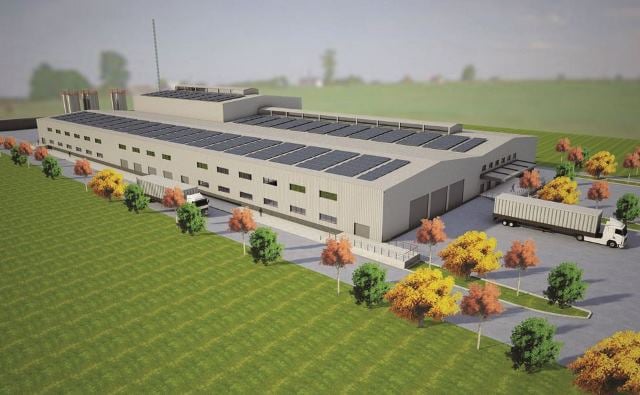
Glass Factory 6 MW HFO Power Plant2018Chtoura, LebanonGlasspackPower PlantHFO power plant based on four Hyundai engines delivering 24/24 power to a glass factoryExecution of the preliminary and conceptual design

Project Background & Objectives

The Glass Factory 6 MW HFO Power Plant project was initiated to build a dedicated, highly stable captive power generation facility to support intense industrial manufacturing operations in Chtoura, Lebanon. Commissioned by Glasspack, this high-reliability project focused on establishing an independent HFO power plant based on four Hyundai engines capable of delivering continuous, 24/24 power to a glass factory. Within this critical heavy industrial operational framework, PDP Energy was selected to direct the crucial early phase of the facility. The primary company-specific objectives centered on the execution of the preliminary and conceptual design, setting up the core electrical and thermal baseline architecture to protect manufacturing lines against grid instability.

Project Challenges

Designing a 24/7 heavy fuel oil (HFO) generation asset inside an active industrial glass manufacturing campus presents significant thermal, mechanical, and power quality hurdles. Glass production requires absolute thermal and electrical continuity; even a brief voltage dip can freeze raw materials in the furnaces, resulting in catastrophic equipment failure and massive financial losses. PDP Energy had to resolve intense technical challenges, including balancing structural layout constraints for four massive Hyundai engine blocks, optimizing complex heavy fuel handling and pre-heating subsystems, and designing robust fault-ride-through capabilities to handle abrupt industrial motor load variations without disrupting the plant’s delicate operating balance.

Project Outcomes

Operating as the primary conceptual engineering partner, PDP Energy successfully finalized the complete preliminary and conceptual design package for the heavy industrial power asset. The project effectively established an optimized, highly resilient technical framework tailored for high-demand captive industrial operations. By delivering precise mechanical configurations and synchronized load management blueprints, PDP Energy paved the way for the secure installation of the 6 MW power plant, ensuring the manufacturing facility gains complete energy self-sufficiency, maintains uninterrupted production cycles, and isolates its core machinery from external grid disruptions.