ArchivesMiddle East

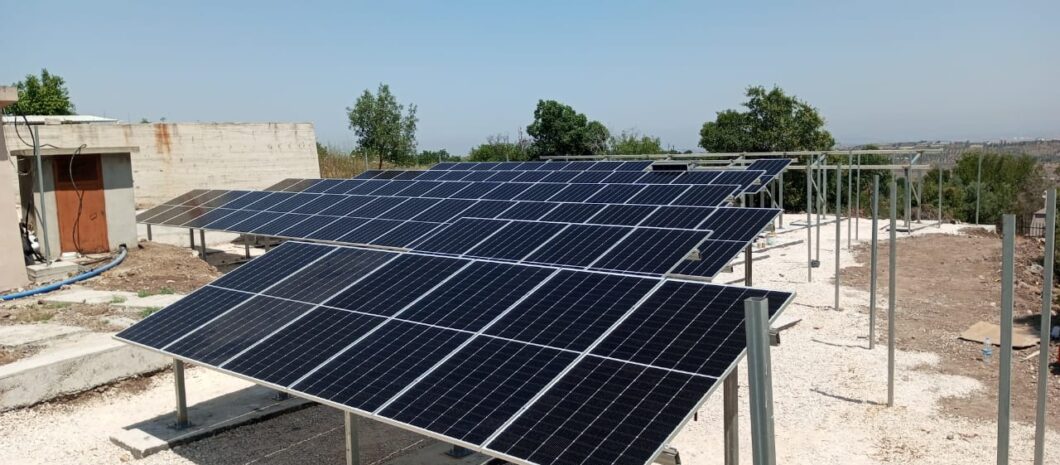
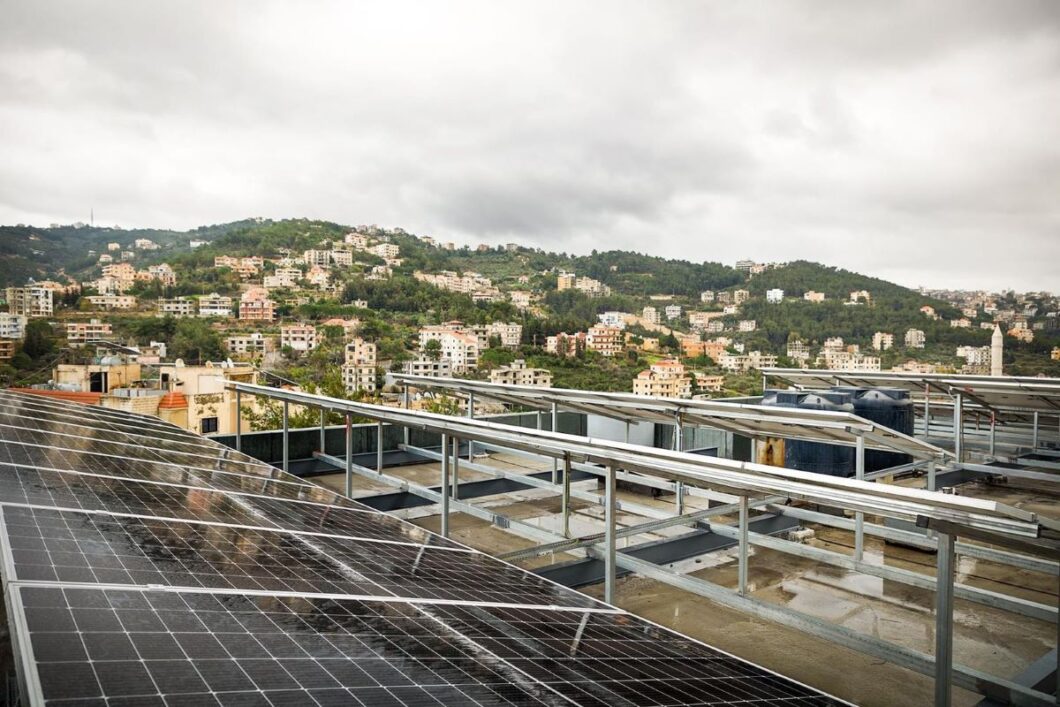
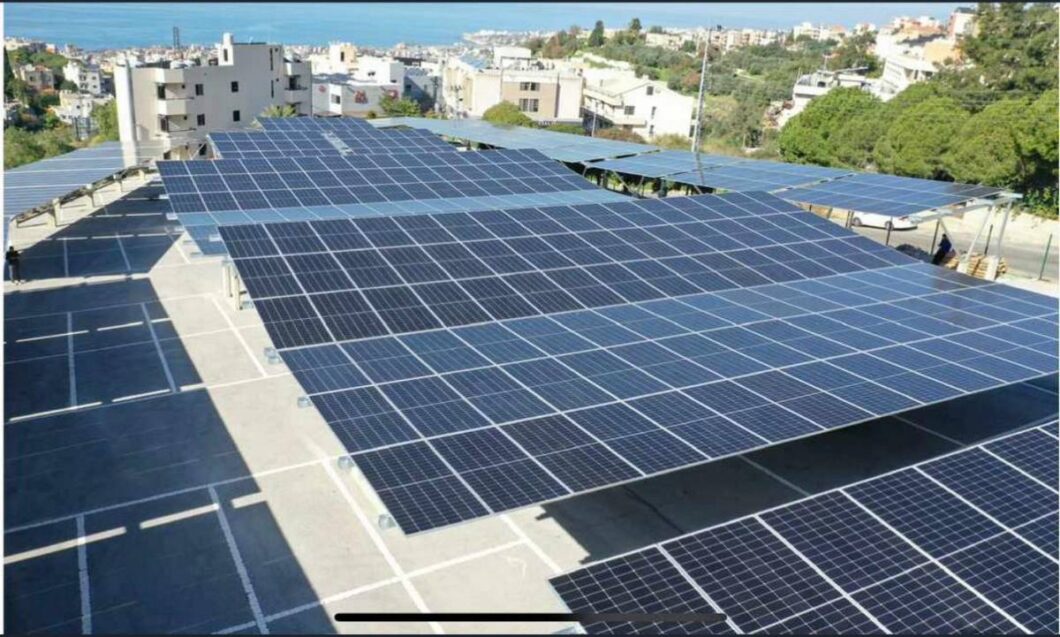
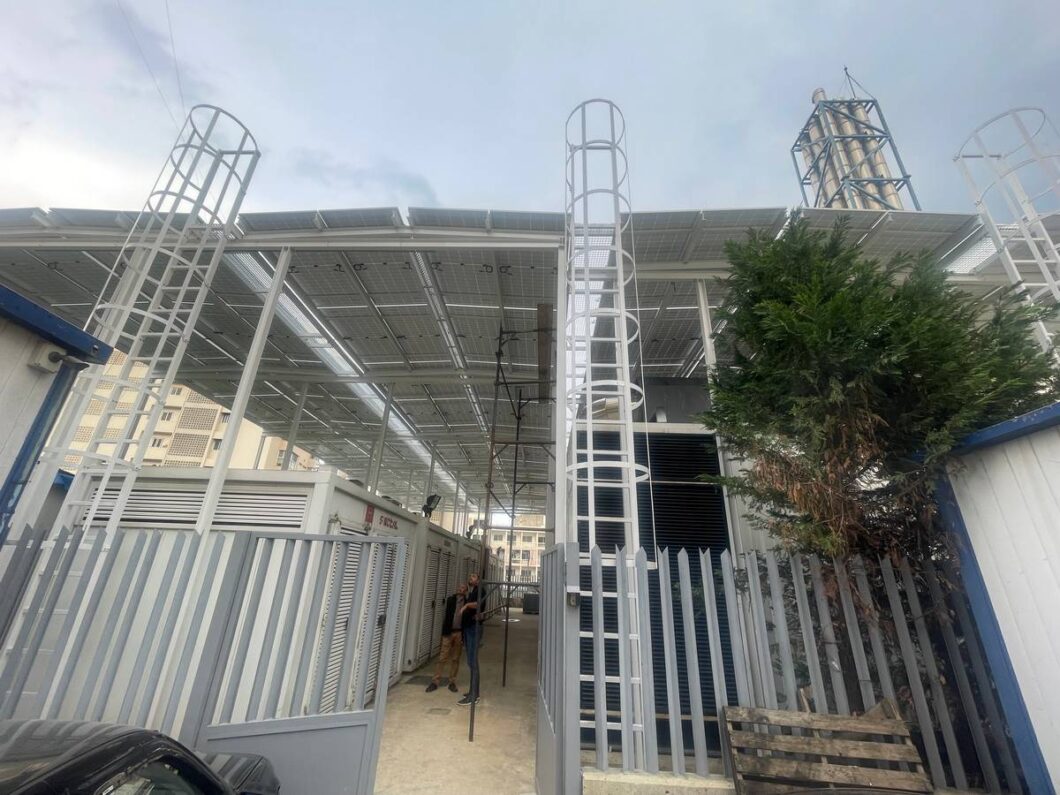
Nicolas Sursok Museum – 46 KWp PV Plant

Project Details

NameYearLocationClientTypeDescriptionScope
Nicolas Sursok Museum - 46 KWp PV Plant2023Beirut, LebanonUNESCO/Nicolas Sursok MuseumPhotovoltaicClient Representative role for museum PV setupPDP Energy executed the design review and oversaw the installation of the 46 kWp system

Project Background & Objectives

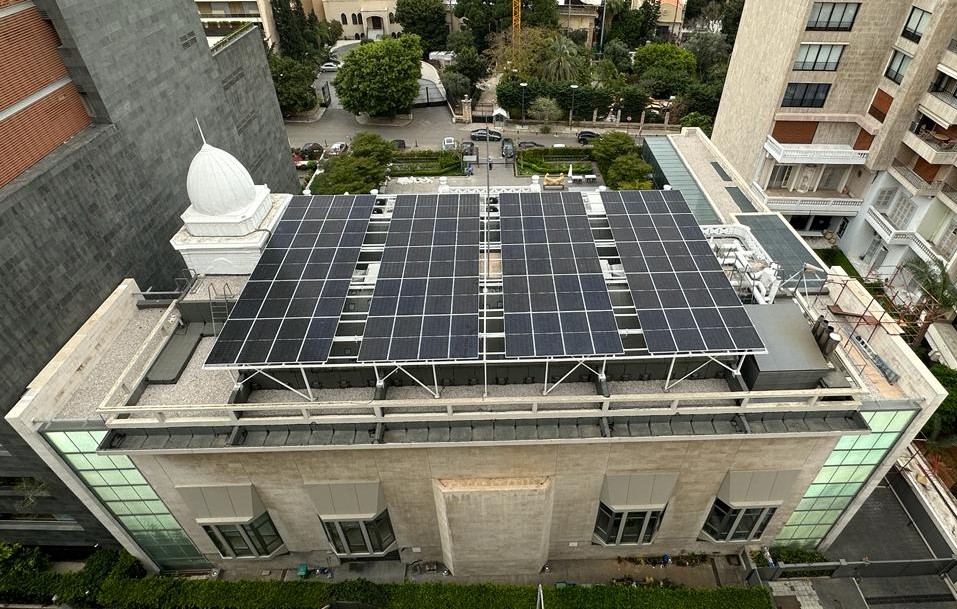
The Nicolas Sursok Museum – 46 KWp PV Plant project was initiated to deploy a reliable, sustainable power infrastructure solution for a historic cultural landmark and art museum in Beirut, Lebanon. Sponsored and driven by UNESCO in collaboration with the Nicolas Sursok Museum, this institutional renewable initiative aimed to protect the facility’s extensive climate control and lighting systems from severe national grid deficits. Within this critical heritage preservation framework, PDP Energy was selected to protect the stakeholders’ interests throughout the asset deployment. The primary company-specific objectives centered on fulfilling the comprehensive Client Representative role for museum PV setup, where the engineering team directly executed the design review and oversaw the installation of the 46 kWp system to guarantee peak performance and safety.

Project Challenges

Integrating a modern photovoltaic array into a historic, architecturally sensitive museum environment introduces unique structural, aesthetic, and electrical engineering constraints. PDP Energy had to navigate substantial quality-control and heritage preservation hurdles, such as evaluating the structural load-bearing capacity of the historic roof and selecting non-invasive mounting systems that do not alter the building’s aesthetic profile. On the electrical side, the facility demands absolute power continuity and tight climate regulations to safeguard priceless art collections. Balancing fluctuating real-time solar irradiance with these rigid environmental constraints required meticulous technical vetting of contractor schematics and precise inverter mapping to ensure zero localized power dips or voltage fluctuations.

Project Outcomes

Operating as the dedicated client representative, PDP Energy successfully concluded its comprehensive engineering audits and installation monitoring services for the solar asset. The project effectively guaranteed that the 46 kWp photovoltaic system was executed to the highest international standards, ensuring long-term durability and structural safety. By delivering rigorous independent engineering supervision, PDP Energy helped secure a high-performing renewable asset that dramatically lowers the museum’s operational utility bills, reduces carbon exposure, and safeguards a clean, uninterrupted power supply to maintain critical heritage preservation systems.

Ain Ebel 141 KWp Water Well PV Pumping

Project Details

NameYearLocationClientTypeDescriptionScope
Ain Ebel 141 KWp Water Well PV Pumping2023Ain Ebel, LebanonUNDPPhotovoltaicStudy and design of a water well PV systemPDP Energy is executing the design of the 141 kWp system to provide solar energy for pumping purpose

Project Background & Objectives

The Ain Ebel 141 KWp Water Well PV Pumping project was initiated as a vital sustainable infrastructure development to secure reliable, clean-energy-powered water access for the local community while reducing dependence on volatile municipal grids and expensive fossil-fuel generators. Sponsored and driven by the United Nations Development Programme (UNDP), this decentralized photovoltaic installation was designed to supply direct solar power to optimize localized water pumping operations. Within this critical developmental context, PDP Energy was selected to lead the comprehensive engineering phase. The primary company-specific objectives centered on executing the complete study and detailed design of the 141 kWp photovoltaic system, ensuring seamless energy integration to power the vital pumping mechanics safely and efficiently.

Project Challenges

Powering municipal water well infrastructure with localized solar energy introduces unique engineering and mechanical challenges. Designing a system capable of handling the high initial surge currents required by heavy-duty water pumping motors demands exact technical planning. PDP Energy had to navigate these complexities by engineering a stable, highly efficient electrical layout that balances fluctuating real-time solar irradiance with the rigid, heavy electrical load of the pumps. This required meticulous system modeling, precise inverter configurations, and rigorous load-matching studies to ensure smooth operations without damaging the pumping equipment or disrupting the community’s water supply.

Project Outcomes

Operating as the primary engineering partner, PDP Energy successfully delivered the complete study and detailed design package for the 141 kWp PV pumping system. The project effectively established a model for modern, climate-resilient water infrastructure in rural Lebanon. By delivering precise and synchronized engineering designs, PDP Energy paved the way for a high-performance solar asset that dramatically lowers operational energy costs and ensures thousands of local residents have a clean, uninterrupted, and eco-friendly water supply.

Aitaroun 72 KWp Water Well PV Pumping

Project Details

NameYearLocationClientTypeDescriptionScope
Aitaroun 72 KWp Water Well PV Pumping2023Aitaroun, LebanonUNDPPhotovoltaicStudy and design of a water well PV systemPDP Energy is executing the design of the 72 kWp system to provide solar energy for pumping purpose

Project Background & Objectives

The Aitaroun 72 KWp Water Well PV Pumping project was initiated as a vital community-focused infrastructure development to secure dependable, clean-energy-powered water access for the local municipality while mitigating reliance on volatile electricity grids and expensive diesel generators. Sponsored and driven by the United Nations Development Programme (UNDP), this decentralized photovoltaic facility was designed to supply direct, sustainable power specifically for localized water pumping operations. Within this critical developmental framework, PDP Energy was selected to spearhead the engineering phase. The primary company-specific objectives centered on executing the complete study and detailed design of the 72 kWp photovoltaic system, ensuring seamless energy integration to drive the vital pumping mechanics safely and efficiently.

Project Challenges

Powering heavy-duty municipal water well infrastructure with localized solar energy introduces distinct mechanical and engineering complexities. Designing a system capable of handling the high initial surge currents required by water pumping motors demands exact technical foresight. PDP Energy had to overcome these technical hurdles by engineering a highly stable electrical layout that balances fluctuating real-time solar irradiance with the rigid, heavy electrical load of the pumps. This required meticulous system modeling, precise inverter configurations, and rigorous load-matching studies to guarantee smooth operations without damaging the pumping equipment or disrupting the community’s primary water source.

Project Outcomes

Operating as the primary engineering partner, PDP Energy successfully delivered the complete study and detailed design package for the 72 kWp PV pumping system. The project effectively established a model for modern, climate-resilient water infrastructure in Southern Lebanon. By delivering precise and synchronized engineering designs, PDP Energy paved the way for a high-performance solar asset that dramatically lowers operational energy costs and ensures thousands of local residents have a clean, uninterrupted, and eco-friendly water supply.

Machta Hammoud 50 KWp Water Well PV Pumping

Project Details

NameYearLocationClientTypeDescriptionScope
Machta Hammoud 50 KWp Water Well PV Pumping2023Machta Hammoud, LebanonUNDPPhotovoltaicStudy and design of a water well PV systemPDP Energy is executing the design of the 50 KWp system to provide solar energy for pumping purpose

Project Background & Objectives

The Machta Hammoud 50 KWp Water Well PV Pumping project was initiated to deploy a reliable, sustainable utility infrastructure asset designed to secure continuous clean water access for the municipality of Machta Hammoud, Lebanon. Sponsored and driven by the United Nations Development Programme (UNDP), this vital community-focused initiative targeted the transition of heavy water extraction machinery away from unreliable national grids and costly diesel generation. Within this crucial developmental context, PDP Energy was selected to command the complex technical modeling phase. The primary company-specific objectives centered on conducting the complete study and design of a water well PV system, where the engineering team successfully executed the detailed design of the 50 KWp system to provide clean solar energy for continuous pumping purposes.

Project Challenges

Engineering a specialized solar power framework to drive heavy-duty water well infrastructure introduces distinct mechanical and electrical coordination complexities. Designing a system capable of handling the high initial surge currents required by water pumping motors demands exact technical foresight. PDP Energy had to overcome these technical hurdles by engineering a highly stable electrical layout that balances fluctuating real-time solar irradiance with the rigid, heavy electrical load of the pumps. This required meticulous system modeling, precise inverter configurations, and rigorous load-matching studies to guarantee smooth operations without damaging the pumping equipment or causing sudden system trips.

Project Outcomes

Operating as the primary design engineering partner, PDP Energy successfully formulated and delivered the complete study and detailed electrical design package for the solar asset. The project effectively established a model for modern, climate-resilient water infrastructure in Northern Lebanon. By delivering precise and synchronized engineering designs, PDP Energy cleared the path for a high-performance solar asset that dramatically lowers municipal operational energy costs and ensures thousands of local residents have a clean, uninterrupted, and eco-friendly water supply.

Remmah 52 KWp Water Well PV Pumping

Project Details

NameYearLocationClientTypeDescriptionScope
Remmah 52 KWp Water Well PV Pumping2023Remmah, LebanonUNDPPhotovoltaicStudy and design of a water well PV systemPDP Energy executed the design of the 52 kWp system to provide solar energy for pumping purpose

Project Background & Objectives

The Remmah 52 KWp Water Well PV Pumping project was initiated to deploy a reliable, sustainable utility infrastructure solution aimed at securing continuous clean water access for the municipal area of Remmah, Lebanon. Sponsored and driven by the UNDP, this vital community-focused initiative targeted the transition of heavy water extraction machinery away from unreliable national grids and costly diesel generation. Within this developmental context, PDP Energy was selected to command the complex technical modeling phase. The primary company-specific objectives centered on conducting the complete study and design of a water well PV system, where the engineering team successfully executed the detailed design of the 52 kWp system to provide solar energy for pumping purpose.

Project Challenges

Engineering a specialized solar power framework to drive heavy-duty water well infrastructure introduces distinct mechanical and electrical coordination complexities. Designing a system capable of handling the high initial surge currents required by water pumping motors demands exact technical foresight. PDP Energy had to overcome these technical hurdles by engineering a highly stable electrical layout that balances fluctuating real-time solar irradiance with the rigid, heavy electrical load of the pumps. This required meticulous system modeling, precise inverter configurations, and rigorous load-matching studies to guarantee smooth operations without damaging the pumping equipment or causing sudden system trips.

Project Outcomes

Operating as the primary design engineering partner, PDP Energy successfully formulated and delivered the complete study and detailed electrical design package for the solar asset. The project effectively established a model for modern, climate-resilient water infrastructure in regional Lebanon. By delivering precise and synchronized engineering designs, PDP Energy cleared the path for a high-performance solar asset that dramatically lowers municipal operational energy costs and ensures thousands of local residents have a clean, uninterrupted, and eco-friendly water supply.

Chehim 172 KWp Water Well PV Pumping

Project Details

NameYearLocationClientTypeDescriptionScope
Chehim 172 KWp Water Well PV Pumping2022Chehim, LebanonUNDPPhotovoltaicStudy and design of a water well PV system for one well pump and one booster pumpPDP Energy executed the design of the 172 kWp system to provide solar energy for pumping purpose

Project Background & Objectives

The Chehim 172 KWp Water Well PV Pumping project was initiated to build a resilient, sustainable utility infrastructure asset designed to secure continuous clean water access for the municipal area of Chehim, Lebanon. Sponsored and driven by the United Nations Development Programme (UNDP), the initiative aimed to transition heavy water extraction machinery away from unreliable national grids and costly diesel generation. Within this crucial developmental context, PDP Energy was selected to command the complex technical modeling phase. The primary company-specific objectives centered on conducting the complete study and design of a water well PV system for one well pump and one booster pump, ensuring a highly integrated solar framework to drive the 172 kWp system and provide reliable solar energy for continuous pumping purposes.

Project Challenges

Engineering a specialized solar power framework that must simultaneously supply energy to both a heavy-duty deep-well pump and a secondary booster pump introduces severe load-coordination and electrical hurdles. PDP Energy had to resolve intense technical challenges surrounding the massive, overlapping initial surge currents required when both high-power motors start up. Balancing these rigid and heavy motor demands with the natural, real-time fluctuations of solar irradiance required advanced electrical configuration. The design demanded highly precise inverter staging configurations, specialized load-shedding protections, and meticulous network modeling to prevent system trips, voltage drops, or mechanical stress on the pumping equipment.

Project Outcomes

Operating as the primary design engineering partner, PDP Energy successfully delivered the complete study and detailed electrical design package for the multi-pump solar asset. The project effectively established a leading technical reference for complex, dual-load municipal renewable infrastructure in Mount Lebanon. By providing synchronized and robust engineering blueprints, PDP Energy cleared the path for the installation of a high-performance 172 kWp solar pumping system that dramatically minimizes municipal fuel costs, lowers regional carbon footprints, and secures an uninterrupted, eco-friendly water distribution network for thousands of local citizens.

LAU Jbeil Campus 990 KWp PV Plant

Project Details

NameYearLocationClientTypeDescriptionScope
LAU Jbeil Campus 990 KWp PV Plant2024Jbeil, LebanonLAUPhotovoltaicLarge hillside institutional campus solar installationConceptual design, detailed design, tender documents preparation, and installation oversight

Project Background & Objectives

The LAU Jbeil Campus 990 KWp PV Plant project was initiated to deploy a high-capacity, sustainable power infrastructure asset for a premier educational institution in Jbeil, Lebanon. Commissioned directly by the Lebanese American University (LAU), this large hillside institutional campus solar installation aimed to transition the campus away from heavy reliance on volatile public electricity grids and expensive diesel generators. Within this critical facility management and green transition framework, PDP Energy was selected to direct all phases of the project lifecycle. The primary company-specific objectives centered on delivering a complete technical roadmap, which included the conceptual design, detailed design, tender documents preparation, and installation oversight of the near-megawatt 990 kWp solar asset.

Project Challenges

Designing and integrating a large commercial-scale photovoltaic network across a highly sloped, multi-level hillside university campus introduces severe spatial, civil, and electrical complexities. PDP Energy had to navigate the structural challenges of distributed roof-mounting across multiple existing hillside buildings, ensuring proper wind-load engineering, varied tracking orientation profiles, and building envelope preservation without causing disruption to academic calendars. On the electrical side, the multi-building system required advanced network integration to sync fluctuating solar irradiance with complex institutional microgrids. This demanded meticulous load-profiling, specialized inverter staging, and rigorous protection coordination to safely manage bidirectional power transfer without risking equipment damage or voltage drops in sensitive campus research laboratory and computing networks.

Project Outcomes

Operating as the primary full-lifecycle engineering partner, PDP Energy successfully formulated and delivered the complete conceptual and detailed engineering designs, structural tender packages, and physical on-site construction monitoring services. The project effectively established a leading technical benchmark for large-scale institutional solar deployment in the region. By providing synchronized and robust engineering blueprints alongside independent quality assurance, PDP Energy cleared the path for the secure deployment of the 990 kWp solar asset, ensuring long-term operational cost savings, structural safety, and a highly stable, eco-friendly energy supply for thousands of campus students and faculty members.

Project Gallery

LAU Beirut Campus 467 KWp PV Plant

Project Details

NameYearLocationClientTypeDescriptionScope
LAU Beirut Campus 467 KWp PV Plant2024Beirut, LebanonLAUPhotovoltaicLarge institutional campus solar PV plant developmentConceptual design, detailed design, tender documents preparation, and installation oversight

Project Background & Objectives

The LAU Beirut Campus 467 KWp PV Plant project was initiated to deploy a high-capacity, sustainable power infrastructure solution for a premier educational institution in Beirut, Lebanon. Commissioned directly by the Lebanese American University (LAU), this large institutional campus solar PV plant development aimed to transition the campus away from heavy reliance on volatile public electricity grids and expensive diesel generators. Within this critical facility management and green transition framework, PDP Energy was selected to direct all phases of the project lifecyle. The primary company-specific objectives centered on delivering a complete technical roadmap, which included the conceptual design, detailed design, tender documents preparation, and installation oversight of the 467 kWp solar asset.

Project Challenges

Designing and integrating a large commercial-scale photovoltaic network across a highly dense, active urban university campus introduces severe spatial, civil, and electrical complexities. PDP Energy had to navigate the structural challenges of distributed roof-mounting across multiple existing campus buildings, ensuring proper wind-load engineering and building envelope preservation without causing disruption to academic calendars. On the electrical side, the multi-building system required advanced network integration to sync fluctuating solar irradiance with complex institutional microgrids. This demanded meticulous load-profiling, specialized inverter staging, and rigorous protection coordination to safely manage bidirectional power transfer without risking equipment damage or voltage drops in sensitive campus laboratory and computing networks.

Project Outcomes

Operating as the primary full-lifecycle engineering partner, PDP Energy successfully formulated and delivered the complete conceptual and detailed engineering designs, structural tender packages, and physical on-site construction monitoring services. The project effectively established a leading technical benchmark for large-scale institutional solar deployment in metropolitan Lebanon. By providing synchronized and robust engineering blueprints alongside independent quality assurance, PDP Energy cleared the path for the secure deployment of the 467 kWp solar asset, ensuring long-term operational cost savings, structural safety, and a highly stable, eco-friendly energy supply for thousands of campus students and faculty members.

Project Gallery

Baalbak-Hermel Municipalities PV Study

Project Details

NameYearLocationClientTypeDescriptionScope
Baalbak-Hermel Municipalities PV Study2022Baalbak, LebanonLFREPhotovoltaicConsulting/conceptual study for 130 MWp PV plants serving a group of 27 villagesStudied decentralised plant clusters vs. single centralized 130 MWp plant scenarios

Project Background & Objectives

The Baalbak-Hermel Municipalities PV Study was initiated as a landmark regional clean energy roadmap designed to revolutionize power access across Lebanon’s Baalbak-Hermel governorate. Commissioned by the Lebanese Foundation for Renewable Energy (LFRE), this large-scale utility consulting project evaluated the deployment of 130 MWp of solar photovoltaic plants to serve a critical group of 27 rural villages facing severe energy deficits. Within this transformative development context, PDP Energy was selected to spearhead the complex technical and geographical modeling. The primary company-specific objectives centered on conducting a comprehensive consulting and conceptual study, specifically evaluating the structural, economic, and electrical trade-offs of decentralized plant clusters versus a single centralized 130 MWp plant scenario.

Project Challenges

Analyzing a massive 130 MWp solar infrastructure blueprint across 27 distinct municipal territories introduces extreme logistical, geological, and network engineering complexities. Evaluating whether to distribute generation across decentralized local clusters or concentrate it into one mega-facility required balancing raw geographic terrain constraints with intricate power transmission mechanics. PDP Energy had to overcome substantial analytical hurdles, including modeling voltage drop risks over long rural distribution lines, mapping varying local land-use restrictions, and assessing how Lebanon’s fragile national grid could safely absorb massive fluctuations in renewable power injection without risking regional blackouts.

Project Outcomes

Operating as the primary consulting partner, PDP Energy successfully delivered the complete conceptual study and comparative engineering framework for the 130 MWp solar initiative. The project effectively established a highly scalable, master-planned model for municipal renewable energy deployment in the Levant. By delivering rigorous comparative data on decentralized vs. centralized grid integration, PDP Energy’s technical roadmap paved the way for future clean-energy infrastructure that can securely supply high-performance, eco-friendly electricity to tens of thousands of rural households and local businesses.

Kfifan Convent 24 KWp PV Plant

Project Details

NameYearLocationClientTypeDescriptionScope
Kfifan Convent 24 KWp PV Plant2022Kfifan, LebanonOffre JoiePhotovoltaicConceptual design and installation of a 24 kWp solar PV setupExecuted conceptual design and oversaw the installation

Project Background & Objectives

The Kfifan Convent 24 KWp PV Plant project was initiated to deploy a reliable, sustainable power infrastructure solution for a historic community and institutional site in Kfifan, Lebanon. Commissioned by the non-governmental organization Offre Joie, this localized renewable initiative aimed to insulate the facility from chronic national grid deficits and the heavy financial burdens of diesel fuel generation. Within this community-focused development context, PDP Energy was selected to lead the engineering and quality assurance phases of the asset. The primary company-specific objectives centered on the conceptual design and installation of a 24 kWp solar PV setup, where the engineering team successfully executed the conceptual design and oversaw the installation to guarantee top-tier operational efficiency and safety.

Project Challenges

Integrating a modern photovoltaic array into a historic convent facility introduces unique structural, aesthetic, and electrical engineering hurdles. PDP Energy had to navigate significant technical constraints, including evaluating the load-bearing capacity of existing older roof structures and choosing non-invasive mounting systems that preserve the site’s structural integrity. On the electrical side, the system required precise inverter configurations and localized grid-interconnection mapping to balance fluctuating real-time solar irradiance with the facility’s specific daily load demands. This required detailed modeling to implement robust fault protection and grounding systems, eliminating the risk of voltage spikes or operational disruptions to the active community space.

Project Outcomes

Operating as the primary design and quality assurance partner, PDP Energy successfully delivered the complete engineering package and finalized on-site construction monitoring for the solar asset. The project effectively established a model for sustainable, decentralized energy integration at cultural and community institutions. By combining precise technical designs with rigorous field oversight, PDP Energy cleared the path for a high-performing 24 kWp solar PV setup that dramatically lowers the convent’s monthly energy expenses, cuts localized reliance on fossil-fuel generators, and secures a clean, uninterrupted power supply to support the facility’s social and community programs.