Project Details
| Name | Year | Location | Client | Type | Description | Scope |
|---|---|---|---|---|---|---|
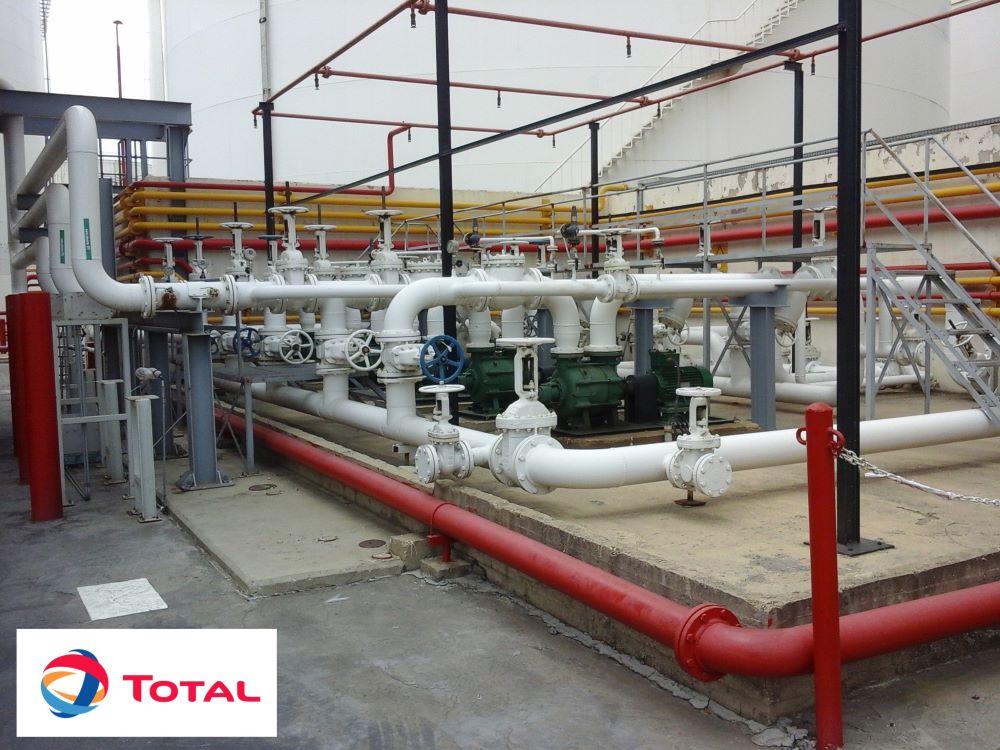
| Total Terminal Oily Water Treatment | 2019 | Dora, Lebanon | Total Liban | Infrastructure | Oily water system design | Terminal oily water network and treatment system conceptual and detailed design |
Project Background & Objectives
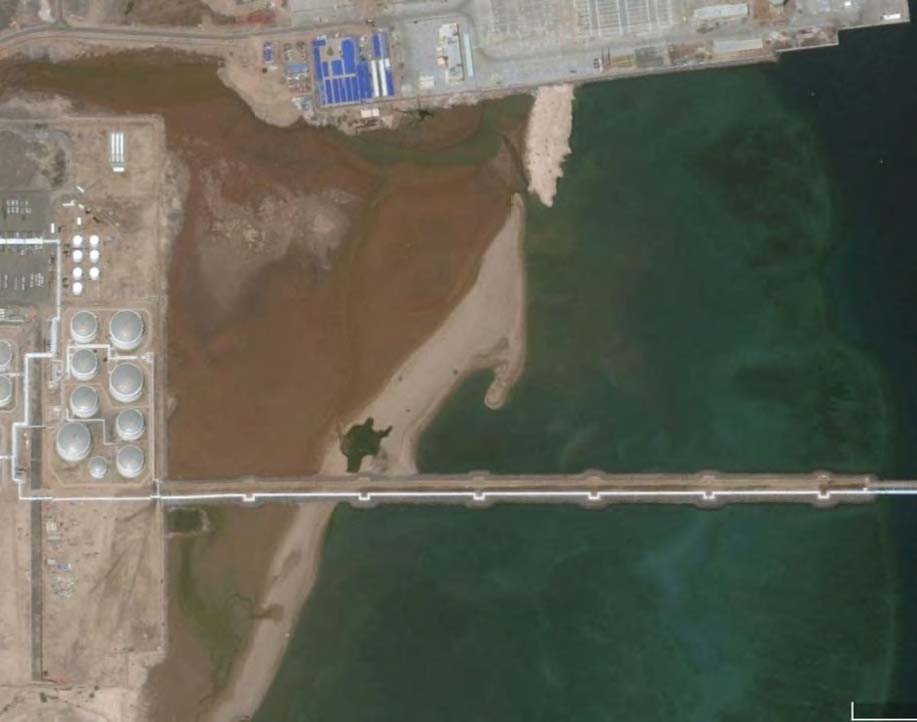
The Total Terminal Oily Water Treatment project was initiated to critically upgrade the environmental compliance and wastewater processing infrastructure at a major coastal fuel storage facility in Dora, Lebanon. Commissioned by Total Liban, this targeted midstream infrastructure development required specialized environmental and fluid engineering to safely manage industrial runoff from active fuel sectors. Within this vital downstream energy distribution framework, PDP Energy was selected to command the core technological modeling and realization phases. The primary company-specific objectives centered on executing a comprehensive Oily water system design, delivering the full terminal oily water network and treatment system conceptual and detailed design to guarantee absolute pollution control and strict regulatory adherence.
Project Challenges
Designing an efficient industrial wastewater network within a highly active, high-hazard petroleum storage terminal presents intense chemical, mechanical, and fluid dynamics complexities. Industrial runoff from fuel loading racks, tank farms, and containment dikes contains volatile hydrocarbons, suspended solids, and chemical contaminants that require sophisticated extraction techniques before environmental discharge. PDP Energy had to navigate complex technical constraints, engineering a robust drainage network capable of collecting irregular stormwater surges and process wastewater without risking cross-contamination or structural backflows. Furthermore, sizing the centralized separation equipment and oil-water separators demanded highly precise hydraulic calculations and fluid velocity mapping to maximize separation efficiency under varying flow rates, all while operating seamlessly alongside continuous terminal logistics.