ArchivesRenewable Energy Integration

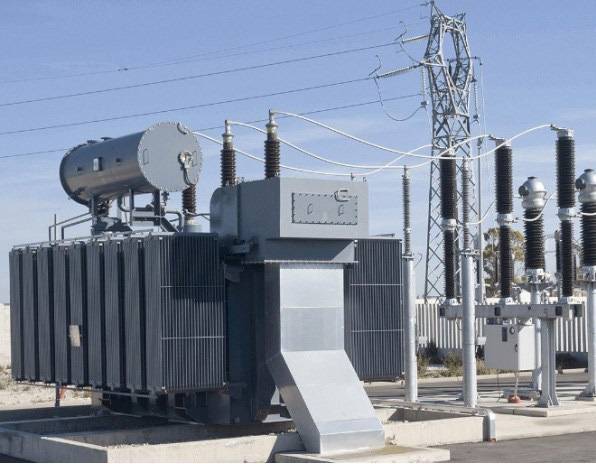
Akkar Wind Energy 220 KV Substation

Project Details

NameYearLocationClientTypeDescriptionScope
Akkar Wind Energy 220 KV Substation2018Akkar, LebanonSustainable Akkar/LWP/Hawa AkkarSubstationHigh-voltage network connection substation (220 KV/300 MVA) for a wind energy projectExecuting conceptual design and detailed engineering of the substation

Project Background & Objectives

The Akkar Wind Energy 220 KV Substation project was initiated as a landmark high-voltage infrastructure development to integrate clean wind power into Lebanon’s national electrical grid and strengthen regional energy security. Commissioned for the joint development spearheaded by Sustainable Akkar, LWP, and Hawa Akkar, this utility-scale facility acts as the core high-voltage connection hub for a major wind energy project. Within this critical renewable development context, PDP Energy was selected to lead the extensive engineering phase. The primary company-specific objectives centered on executing the conceptual design and detailed engineering of the 220 KV / 300 MVA substation, ensuring a robust network connection to handle large-scale intermittent clean energy capacity.

Project Challenges

Integrating a large-scale, fluctuating wind generation source into an under-developed local utility grid introduces extreme technical and network-stability challenges. Managing a massive 300 MVA power flow capacity while ensuring strict voltage regulation and fault protection at a high-voltage level of 220 KV requires highly complex electrical coordination. PDP Energy had to overcome these critical hurdles by engineering robust protection schemes, specialized harmonic filtering, and meticulous substation layout topologies from scratch. This intensive planning was necessary to guarantee safe, stable, and bidirectional power transfer without overloading the national transmission network or risking catastrophic equipment failures.

Project Outcomes

Operating as the primary engineering partner, PDP Energy successfully delivered the complete conceptual design and detailed engineering package for the high-voltage substation infrastructure. The project effectively established a technical blueprint for utility-scale wind energy integration in the region. By delivering stable, synchronized grid-connection designs, PDP Energy’s engineering framework paved the way for commissioning a pioneering 300 MVA energy asset that feeds thousands of megawatt-hours of eco-friendly power into the national grid.

Berbera 7 MWp PV Plant

Project Details

NameYearLocationClientTypeDescriptionScope
Berbera 7 MWp PV Plant2020Berbera, SomalilandECOsysPhotovoltaicEPC project for a 7 MWp solar plantExecuted the design of the plant AC part

Project Background & Objectives

The Berbera 7 MWp PV Plant project was initiated as a flagship clean energy infrastructure development to significantly boost power availability and reduce heavy fossil fuel dependency in Berbera, Somaliland. Commissioned as part of a utility-scale EPC project for a 7 MWp solar plant, the commercial facility was designed to introduce highly efficient renewable generation to a rapidly growing coastal region. Within this structural deployment framework, ECOsys engaged PDP Energy to take charge of the highly specialized electrical network architecture. The primary company-specific objectives focused on executing the precise electrical design of the plant’s AC subsystem, ensuring a robust power distribution framework that securely steps up generated solar energy for grid transmission.

Project Challenges

Designing the alternating current (AC) infrastructure for a high-capacity 7 MWp generation facility in an arid, high-temperature environment introduces demanding technical hurdles. PDP Energy had to navigate complex electrical design constraints, including optimizing medium-voltage substation layouts, choosing thermally resilient distribution cabling, and sizing high-efficiency step-up transformers capable of enduring harsh environmental conditions. Additionally, maintaining system reliability required engineering strict protection coordination and harmonic distortion mitigation schemes, preventing electrical imbalances from destabilizing the local network or causing critical equipment downtime.

Project Outcomes

Operating as the critical electrical engineering partner, PDP Energy successfully delivered the complete AC engineering and design package for the utility-scale installation. The project successfully established a high-performance electrical backbone, ensuring the safe and continuous flow of clean power from the solar arrays into the local distribution grid. By providing synchronized and robust design solutions, PDP Energy paved the way for the successful commissioning of the 7 MWp renewable asset, significantly lowering regional utility generation costs and delivering eco-friendly electricity to homes and businesses across Berbera.

Project Gallery

Dedougou 18 MWp PV Plant

Project Details

NameYearLocationClientTypeDescriptionScope
Dedougou 18 MWp PV Plant2026Dedougou, Burkina FasoButecPhotovoltaicEPC project for an 18 MWp PV solar plant equipped with solar trackersExecuting overall detailed engineering (mechanical/electrical) and preparing equipment RFQs

Project Background & Objectives

The Dedougou 18 MWp PV Plant project was initiated as a flagship utility-scale renewable development to dramatically expand clean generation capacity and stabilize the regional electricity grid in Dedougou, Burkina Faso. Commissioned by Butec, this large-scale infrastructure asset involves building a high-performance 18 MWp PV solar plant equipped with solar trackers to maximize generation yield throughout the day. Within this major engineering, procurement, and construction (EPC) framework, PDP Energy was selected to handle the central engineering responsibilities. The primary company-specific objectives focus on executing the overall detailed engineering (mechanical/electrical) and preparing equipment RFQs, ensuring the massive facility is built on a highly optimized, fully compliant technical foundation.

Project Challenges

Designing a utility-scale 18 MWp facility featuring dynamic solar trackers introduces intense mechanical and electrical coordination challenges, especially in harsh West African environments. PDP Energy had to navigate severe technical hurdles, including tracking geometry calculations, motor power distribution, and structural wind-load designs to ensure the tracking mechanisms withstand extreme environmental elements. On the electrical side, managing large-scale DC and AC cable calculations, designing centralized inverter stations, and mitigating rapid generation fluctuations requires highly precise network modeling. Compounding these complexities, drafting comprehensive equipment Requests for Quotations (RFQs) demanded strict alignment with tight international specifications to guarantee absolute component compatibility and system longevity.

Project Outcomes

Operating as the primary detailed engineering partner, PDP Energy successfully formulated the complete mechanical and electrical detailed design package along with the technical RFQ documentation for the utility asset. The project effectively established a highly efficient, modern blueprint for tracker-based solar infrastructure in sub-Saharan Africa. By providing synchronized and precise engineering layouts, PDP Energy cleared the way for the secure deployment of the 18 MWp solar plant, ensuring maximized annual energy yields, reduced regional carbon emissions, and a highly stable clean energy feed into the local transmission network.

Bednayel 15 MWp PV Plant

Project Details

NameYearLocationClientTypeDescriptionScope
Bednayel 15 MWp PV Plant2018Bednayel, LebanonManalcoPhotovoltaic15 MWp PV plant connected by a 6 km overhead line to the EDL substationRealized Connection Study and design of the MV overhead line connection

Project Background & Objectives

The Bednayel 15 MWp PV Plant project was initiated as a major utility-scale renewable energy advancement to feed clean solar power directly into Lebanon’s national transmission network. Commissioned by Manalco, this high-capacity development involved the engineering of a 15 MWp photovoltaic facility requiring an expansive 6 km medium-voltage overhead line to bridge the generation site with the state utility (EDL) substation. Within this large-scale infrastructural network context, PDP Energy was selected to orchestrate the vital grid integration phase. The primary company-specific objectives focused on realizing the comprehensive connection study and detailed design of the MV overhead line connection, establishing a secure and highly optimized power evacuation pathway.

Project Challenges

Transmitting 15 MWp of volatile solar power over a long 6 km overhead transmission corridor introduces significant electrical and structural engineering hurdles. PDP Energy had to navigate severe technical complexities, including mitigating substantial voltage drop risks over the long distance, calculating line impedance, and designing robust thermal capacity parameters for the conductors. Additionally, interfacing a large private generation asset with an unstable public utility grid required engineering complex protection coordination schemes and transient stability modeling to prevent reverse power flows or grid trips at the EDL substation.

Project Outcomes

Operating as the specialized grid-integration engineer, PDP Energy successfully delivered the complete connection study and engineering design package for the medium-voltage overhead line. The project effectively established a highly accurate and compliant technical model for utility-scale solar evacuation in the region. By delivering flawless electrical transmission blueprints, PDP Energy cleared the way for the secure deployment of the 15 MWp solar asset, guaranteeing safe, high-efficiency power delivery across the 6 km span into the national grid.

Freetown 6 MWp PV Plant

Project Details

NameYearLocationClientTypeDescriptionScope
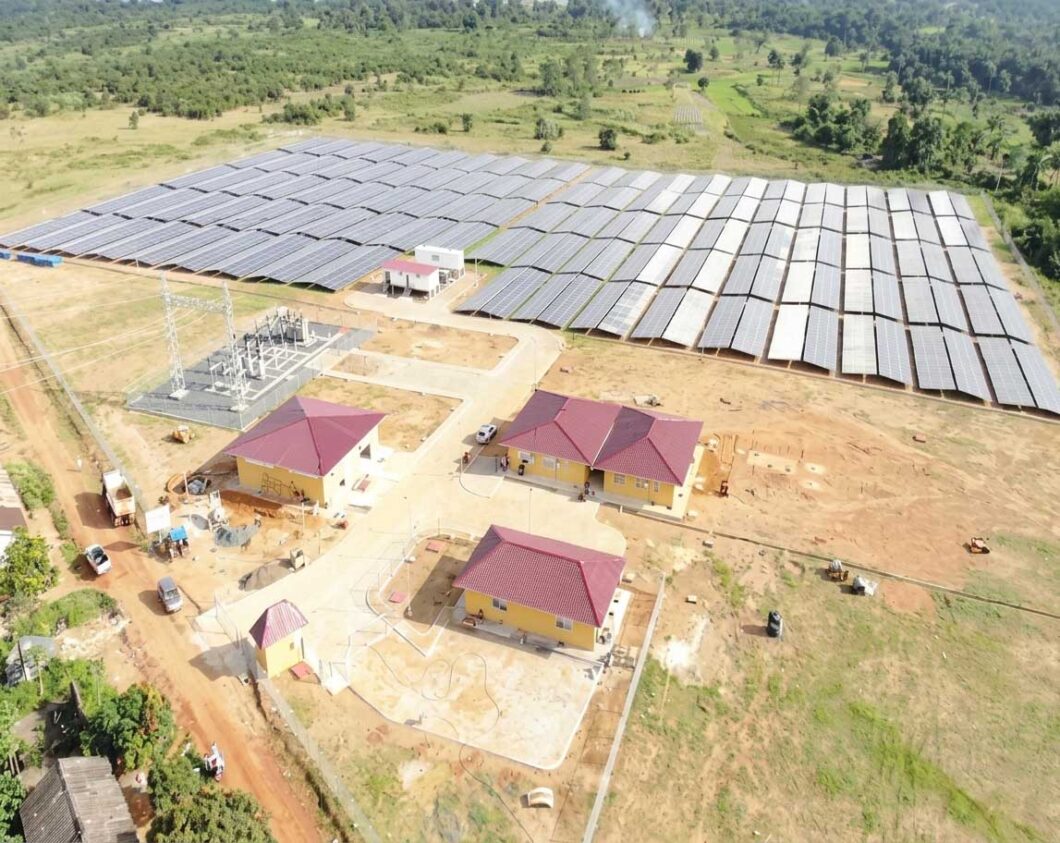
Freetown 6 MWp PV Plant2018Freetown, Sierra LeoneSMRTPhotovoltaicEPC project for a 6 MWp solar farm with a 61KV substation and overhead grid linesPart of JV for EPC; handled civil design, AC side, substation, and overhead connection

Project Background & Objectives

The Freetown 6 MWp PV Plant was initiated as a landmark renewable infrastructure development to diversify Sierra Leone’s national energy mix and reduce its heavy reliance on imported fossil fuels. Sponsored by the International Renewable Energy Agency (IRENA) and funded by the Abu Dhabi Fund for Development (ADFD), the utility-scale installation was designed to feed clean electricity directly into the national grid to satisfy roughly 6% of Freetown’s total power demand. Within this critical development context, PDP Energy joined the engineering, procurement, and construction (EPC) joint venture under the client SMRT Projects & Energy Solutions.
 
The primary company-specific objectives centered on executing the complex detailed power plant engineering and procurement technicalities. This focused on safely integrating the new clean energy capacity via precise civil engineering layouts, full AC-side system design, and the development of a 61KV distribution substation leading up to a secure overhead transmission grid connection.

Project Challenges

Introducing the nation’s first large-scale PV facility presented significant engineering and logistical complexities. Connecting a new fluctuating renewable source into an under-developed local utility network required rigorous grid-stability planning. PDP Energy had to overcome these technical hurdles by designing robust infrastructure from scratch, including complex low- and high-voltage connections, comprehensive civil engineering layouts, a dedicated 61KV distribution substation, and a specialized overhead grid line extension to guarantee safe, stable power injection without overloading the existing network.

Project Outcomes

Operating within a specialized joint venture, PDP Energy successfully delivered the complete detailed power plant engineering package, covering the entire AC network side and substation infrastructure. The project effectively established a model for modern renewable energy deployment in West Africa. By delivering stable, synchronized grid connections, the engineering framework successfully paved the way for commissioning a pioneering solar asset that provides high-performance, eco-friendly electricity to thousands of urban households and local businesses.

Project Gallery

Rachid Karame 5 MWp PV Plant

Project Details

NameYearLocationClientTypeDescriptionScope
Rachid Karame 5 MWp PV Plant2017Tripoli, LebanonPhoenix energyPhotovoltaicFirst utility-grid connected 5 MWp solar PV plant impact study in LebanonExecuted connection and grid impact assessment study

Project Background & Objectives

The Rachid Karame 5 MWp PV Plant project was initiated as a historic, utility-scale renewable energy milestone to advance the integration of clean power into the northern regional network of Tripoli, Lebanon. Commissioned by Phoenix energy, this pioneering infrastructure asset represented the first utility-grid connected 5 MWp solar PV plant impact study in Lebanon. Within this highly significant regulatory and structural engineering framework, PDP Energy was appointed to command the critical analytical modeling phase. The primary company-specific objectives centered on evaluating network compatibility and safety, where the engineering team successfully executed the connection and grid impact assessment study required to bridge the massive solar plant safely with the national utility grid.

Project Challenges

Interfacing the nation’s very first large-scale intermittent solar resource with a fragile, under-developed national utility network introduces profound electrical engineering and system stability hurdles. Simulating how an unstable grid would respond to rapid, real-time power fluctuations from a 5 MWp photovoltaic facility demands extremely sophisticated modeling. PDP Energy had to navigate complex analytical constraints, including conducting comprehensive load-flow modeling, calculating short-circuit current capacities, and executing transient stability simulations. Resolving these challenges was vital to identify potential voltage drops, harmonic distortions, or reverse power flows that could trip regional substations, disrupt the local transmission infrastructure, or compromise the safety of the utility workforce.

Project Outcomes

Operating as the specialized network consulting partner, PDP Energy successfully formulated and delivered the definitive connection and grid impact assessment study. The project effectively established an unprecedented technical blueprint and regulatory benchmark for utility-scale solar integration across Lebanon. By providing highly precise power evacuation models, localized protection schemes, and verified grid-interconnection parameters, PDP Energy cleared the path for the secure deployment of the 5 MWp renewable asset, giving state utility operators total operational confidence and accelerating the nation’s transition toward sustainable utility-grade power.