ArchivesTender Document Preparation & Specifications

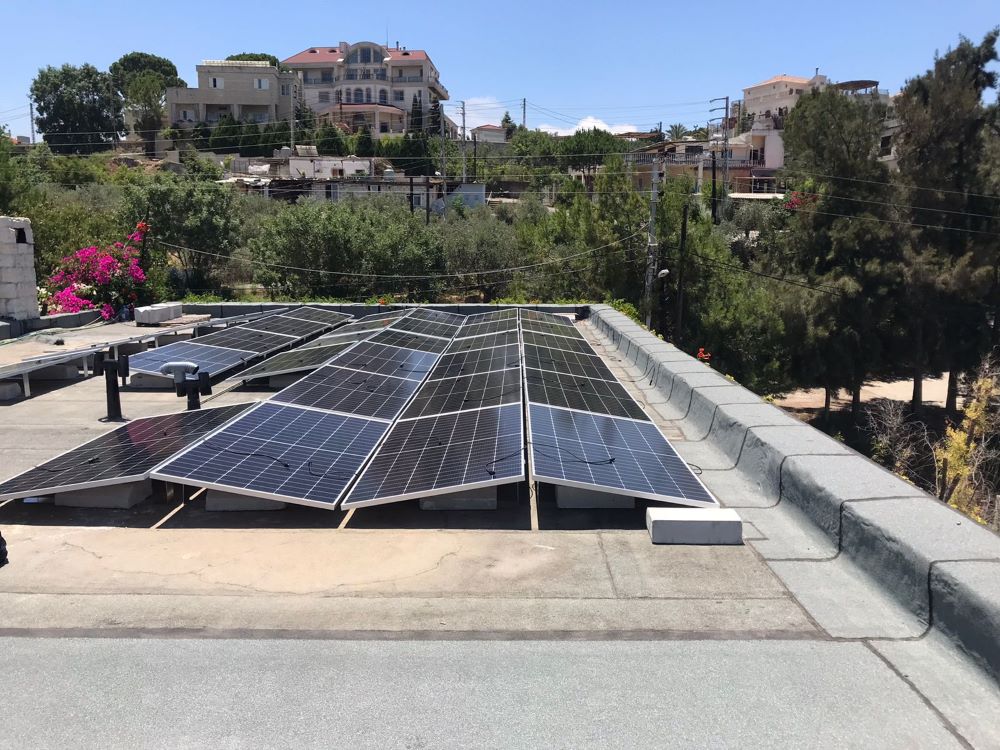
Kfifan Convent 24 KWp PV Plant

Project Details

NameYearLocationClientTypeDescriptionScope
Kfifan Convent 24 KWp PV Plant2022Kfifan, LebanonOffre JoiePhotovoltaicConceptual design and installation of a 24 kWp solar PV setupExecuted conceptual design and oversaw the installation

Project Background & Objectives

The Kfifan Convent 24 KWp PV Plant project was initiated to deploy a reliable, sustainable power infrastructure solution for a historic community and institutional site in Kfifan, Lebanon. Commissioned by the non-governmental organization Offre Joie, this localized renewable initiative aimed to insulate the facility from chronic national grid deficits and the heavy financial burdens of diesel fuel generation. Within this community-focused development context, PDP Energy was selected to lead the engineering and quality assurance phases of the asset. The primary company-specific objectives centered on the conceptual design and installation of a 24 kWp solar PV setup, where the engineering team successfully executed the conceptual design and oversaw the installation to guarantee top-tier operational efficiency and safety.

Project Challenges

Integrating a modern photovoltaic array into a historic convent facility introduces unique structural, aesthetic, and electrical engineering hurdles. PDP Energy had to navigate significant technical constraints, including evaluating the load-bearing capacity of existing older roof structures and choosing non-invasive mounting systems that preserve the site’s structural integrity. On the electrical side, the system required precise inverter configurations and localized grid-interconnection mapping to balance fluctuating real-time solar irradiance with the facility’s specific daily load demands. This required detailed modeling to implement robust fault protection and grounding systems, eliminating the risk of voltage spikes or operational disruptions to the active community space.

Project Outcomes

Operating as the primary design and quality assurance partner, PDP Energy successfully delivered the complete engineering package and finalized on-site construction monitoring for the solar asset. The project effectively established a model for sustainable, decentralized energy integration at cultural and community institutions. By combining precise technical designs with rigorous field oversight, PDP Energy cleared the path for a high-performing 24 kWp solar PV setup that dramatically lowers the convent’s monthly energy expenses, cuts localized reliance on fossil-fuel generators, and secures a clean, uninterrupted power supply to support the facility’s social and community programs.
Burj Hammoud 14 KWp PV Street Lighting

Project Details

NameYearLocationClientTypeDescriptionScope
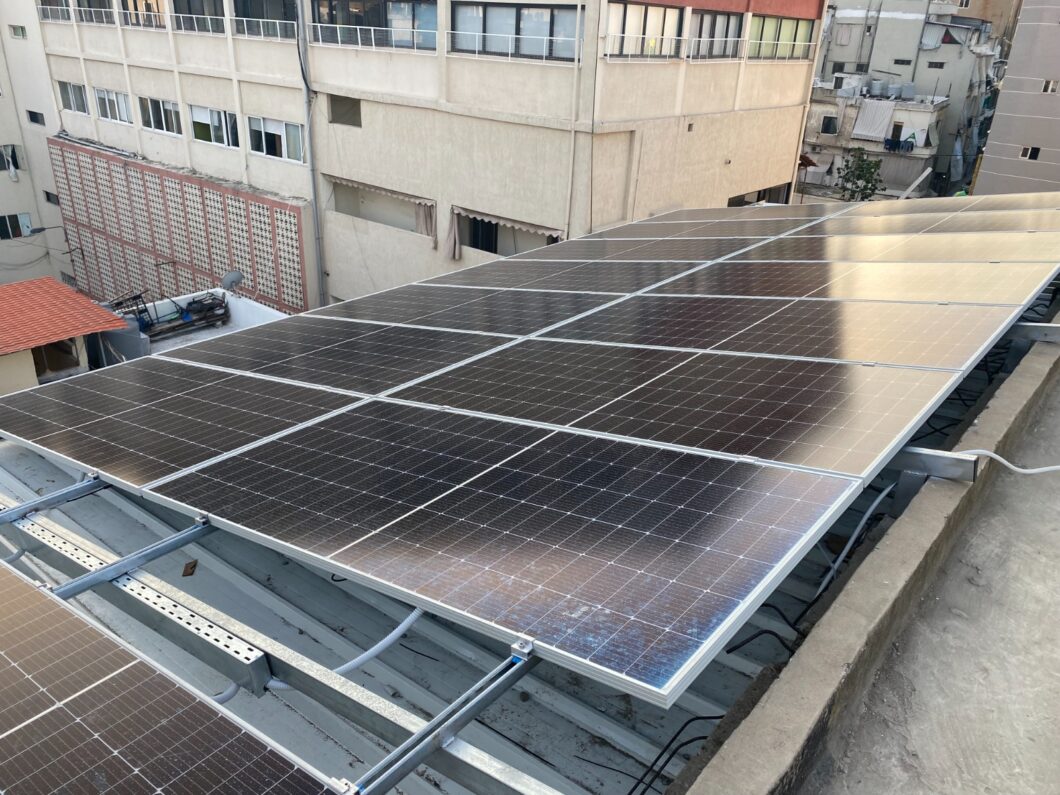
Burj Hammoud 14 KWp PV Street Lighting2023Burj Hammoud, LebanonUNDPPhotovoltaicStreet lighting solar system with battery backup and community center connectionExecuted system and street lighting design; directed excess power to community center

Project Background & Objectives

The Burj Hammoud 14 KWp PV Street Lighting project was initiated to deploy a smart, decentralized municipal infrastructure asset aimed at restoring public safety and public space utility in Burj Hammoud, Lebanon. Sponsored and driven by the United Nations Development Programme (UNDP), this community-centric initiative targeted urban optimization by installing a sustainable street lighting solar system with battery backup. Within this developmental context, PDP Energy was selected to handle the specialized system integration phase. The primary company-specific objectives centered on executing the comprehensive system and street lighting design, ensuring stable nighttime illumination while engineering an innovative power diversion layout to direct excess solar power to a local community center.

Project Challenges

Designing a reliable, dual-purpose solar lighting network in a dense municipal zone introduces complex load management and battery engineering hurdles. PDP Energy had to navigate fluctuating real-time solar generation constraints to guarantee a steady backup supply for the public lighting network throughout the night. Balancing this rigid nocturnal consumption load while simultaneously calculating, tracking, and safely rerouting daytime surplus generation into a highly active community center required highly meticulous electrical schematic design. This demanding framework called for advanced charge control configurations and robust fault protection mapping to prevent energy losses, voltage drops, or system overloads.

Project Outcomes

Operating as the primary design and integration engineering partner, PDP Energy successfully delivered the complete solar system, battery storage, and structural street lighting engineering package. The project successfully established a resilient, modern blueprint for dual-benefit municipal solar infrastructure in metropolitan regions. By providing detailed, synchronized electrical designs, PDP Energy cleared the way for a high-performance 14 kWp asset that significantly lowers municipal operational costs, ensures safe public streets after dark, and provides a continuous stream of free, eco-friendly energy to support local community services.

Presidential Palace 4 MW Power Plant

Project Details

NameYearLocationClientTypeDescriptionScope
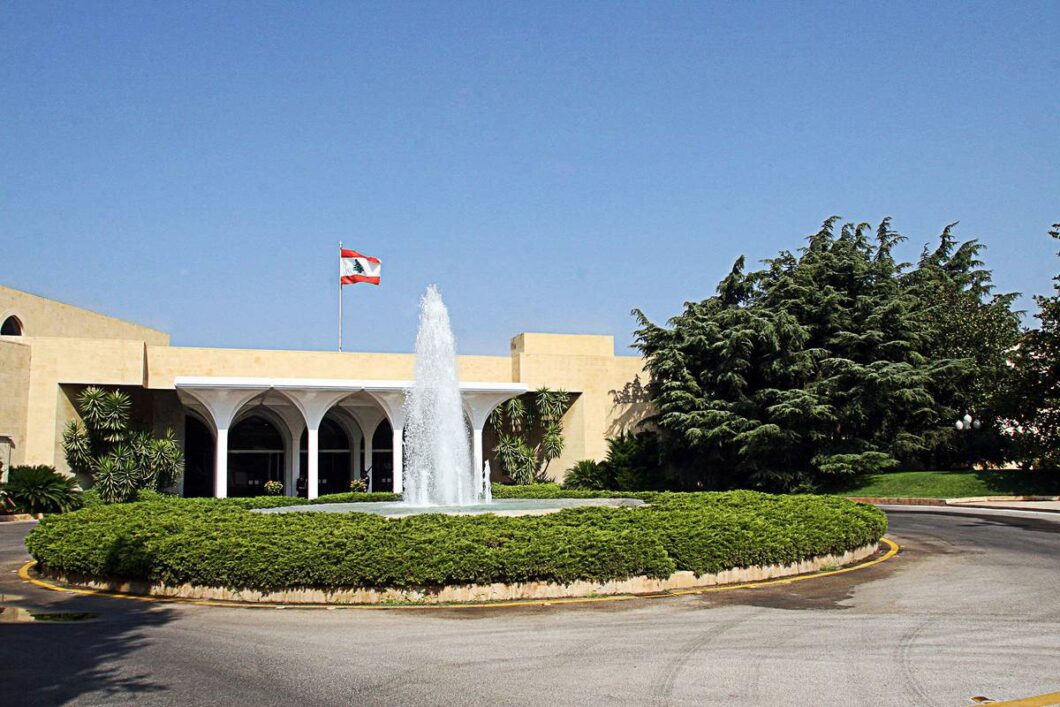
Presidential Palace 4 MW Power Plant2015Baabda, LebanonPresidential palace authoritiesPower PlantRenovation and extension project of the palace's emergency diesel plant and networkRealized conceptual design and prepared specifications and tender documents

Project Background & Objectives

The Presidential Palace 4 MW Power Plant project was initiated to critically upgrade and secure the sovereign backup power infrastructure for the nation’s primary governance campus in Baabda, Lebanon. Commissioned directly by the presidential palace authorities, this highly critical asset focused on a comprehensive renovation and extension project of the palace’s emergency diesel plant and network. Within this high-security public institutional framework, PDP Energy was selected to spearhead the advanced advisory and early technical modeling phases. The primary company-specific objectives centered on delivering a complete engineering roadmap, where the team successfully realized the conceptual design and prepared specifications and tender documents to ensure the 4 MW generation facility operates with absolute reliability and complete energetic autonomy during national grid crises.

Project Challenges

Overhauling and expanding a highly strategic power network inside a fully operational, high-security presidential compound presents intense spatial, structural, and electrical engineering hurdles. Because a primary governance facility demands uncompromised physical security and continuous power continuity with zero tolerance for downtime, the integration of new assets with existing grids required complex technical staging. PDP Energy had to resolve challenging technical constraints, including engineering strict acoustic and vibration containment parameters to blend with the palace architecture, designing rapid automatic transfer switching mechanisms, and configuring highly robust protection schemes. These measures were vital to safeguard mission-critical communication centers and data mainframes against voltage fluctuations or cascading system failures.

Project Outcomes

Operating as the primary conceptual engineering consultant, PDP Energy successfully formulated and delivered the complete conceptual design package, comprehensive technical specifications, and structural tender documents. The project effectively established an unshakeable, elite technical blueprint tailored for strategic national security and civic infrastructure assets. By providing highly precise load-matching models and synchronized protection schematics, PDP Energy cleared the path for the secure deployment of the updated 4 MW power plant, guaranteeing complete backup power redundancy, protecting sovereign operations, and insulating the entire compound from municipal utility grid deficits.