ArchivesOwner's Engineering Services

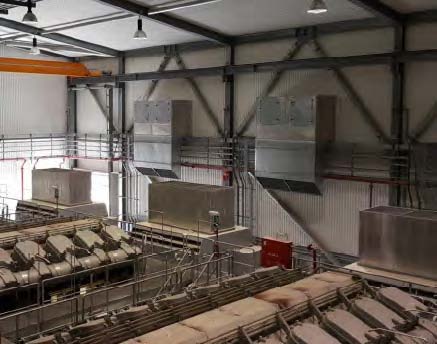
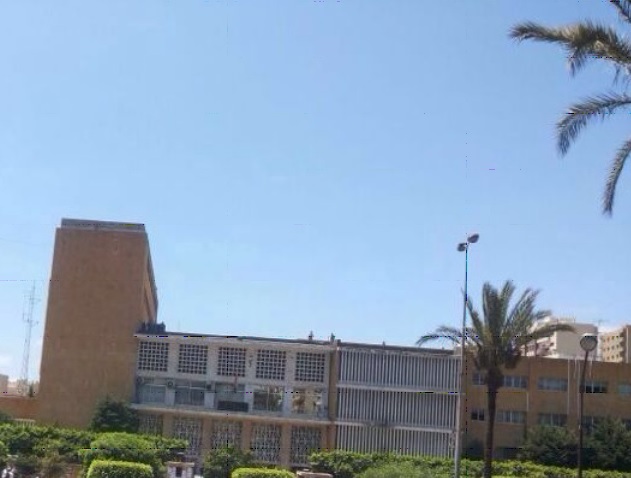
Tripoli Saray 104 KWp PV Plant

Project Details

NameYearLocationClientTypeDescriptionScope
Tripoli Saray 104 KWp PV Plant2021Tripoli, LebanonSiren AssociatesPhotovoltaicLoad study and conceptual design for a roof PV plantPDP Energy realized a load study and the conceptual design of a 104 kWp PV plant for the newly constructed Control & Commend Center. System includes a battery storage system

Project Background & Objectives

The Tripoli Saray 104 KWp PV Plant project was initiated to deploy a resilient, highly dependable renewable power architecture for critical public security infrastructure in Tripoli, Lebanon. Commissioned by Siren Associates, this highly specialized green initiative focused on providing dedicated energetic backup autonomy for a newly constructed, mission-critical Control & Command Center. Within this high-security civic framework, PDP Energy was selected to orchestrate the vital early engineering and load-balancing phases of the asset. The primary company-specific objectives centered on conducting a comprehensive Load study and conceptual design for a roof PV plant, where the engineering team successfully structured a modern 104 kWp PV plant integrated with a high-performance battery storage system to guarantee uncompromised, continuous security monitoring.

Project Challenges

Powering a specialized regional law enforcement control and command hub introduces intense electrical engineering constraints and uncompromising operational standards. Because an active security operations facility demands absolute data integrity and round-the-clock functionality, the microgrid infrastructure must seamlessly manage fluctuating real-time solar irradiance without causing any localized power drops or grid transition delays. PDP Energy had to navigate complex technical hurdles, including precisely mapping irregular municipal and backup utility inputs, evaluating structural roof layouts on public institutional real estate, and sizing high-performance battery banks capable of enduring deep discharge cycles. This demanding evaluation required advanced electrical modeling and precise load-profiling to isolate critical security mainframes, preventing communication downtime or hardware vulnerabilities under emergency blackout conditions.

Project Outcomes

Operating as the primary conceptual engineering partner, PDP Energy successfully formulated and delivered the complete load study and conceptual microgrid design package for the security asset. The project effectively established an advanced, climate-resilient technical blueprint for critical public safety and civic utility infrastructure in Northern Lebanon. By providing highly precise load-matching models, specialized inverter staging parameters, and synchronized electrical network layouts, PDP Energy paved the way for the secure installation of the 104 kWp solar asset, ensuring the command center gains absolute power redundancy, lowers institutional fossil-fuel overhead, and maintains continuous, self-sufficient monitoring operations.
Nicolas Sursok Museum – 46 KWp PV Plant

Project Details

NameYearLocationClientTypeDescriptionScope
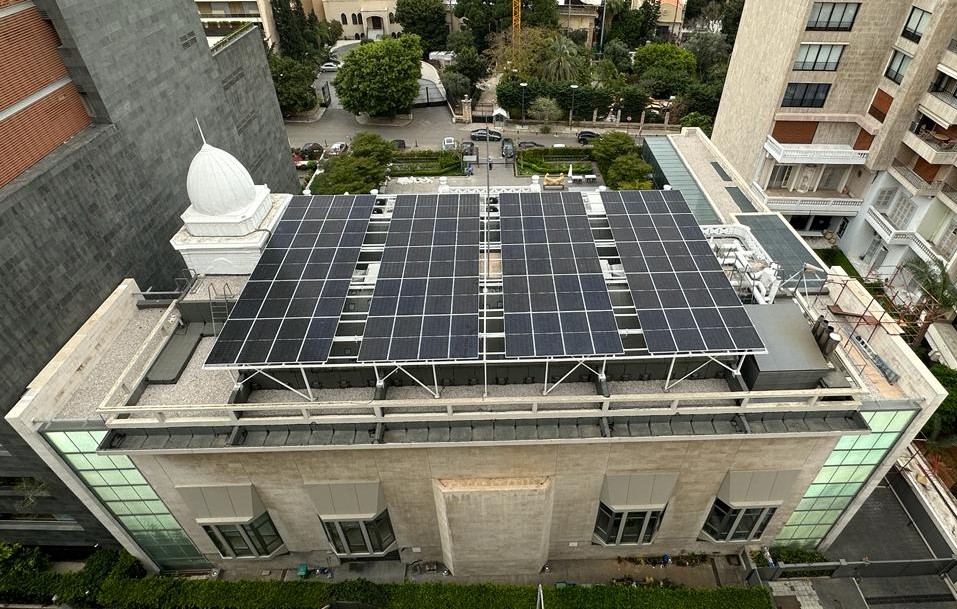
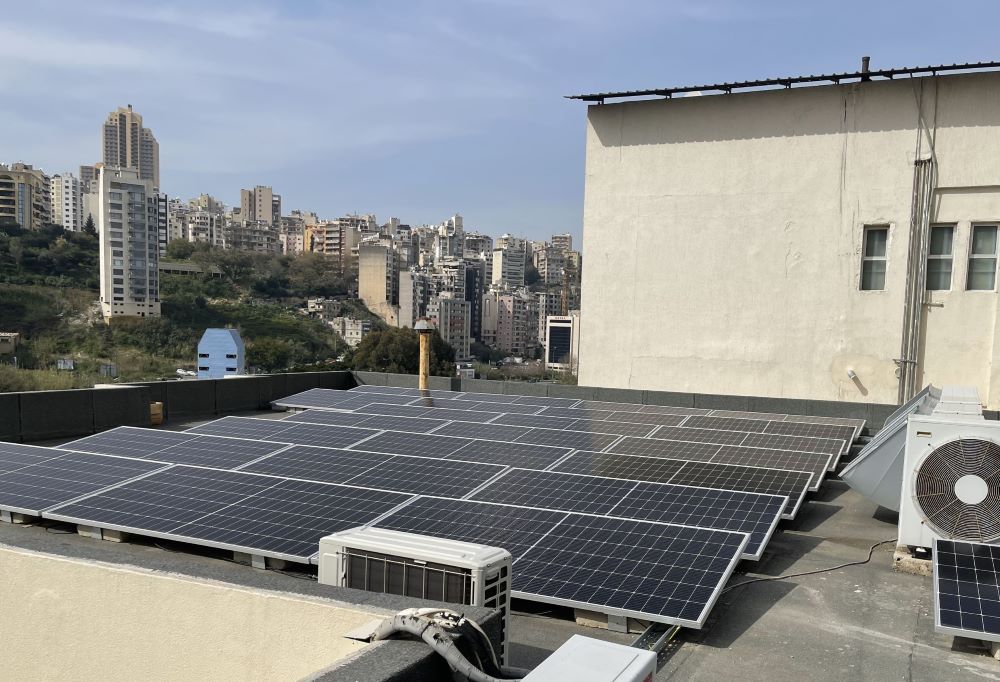
Nicolas Sursok Museum - 46 KWp PV Plant2023Beirut, LebanonUNESCO/Nicolas Sursok MuseumPhotovoltaicClient Representative role for museum PV setupPDP Energy executed the design review and oversaw the installation of the 46 kWp system

Project Background & Objectives

The Nicolas Sursok Museum – 46 KWp PV Plant project was initiated to deploy a reliable, sustainable power infrastructure solution for a historic cultural landmark and art museum in Beirut, Lebanon. Sponsored and driven by UNESCO in collaboration with the Nicolas Sursok Museum, this institutional renewable initiative aimed to protect the facility’s extensive climate control and lighting systems from severe national grid deficits. Within this critical heritage preservation framework, PDP Energy was selected to protect the stakeholders’ interests throughout the asset deployment. The primary company-specific objectives centered on fulfilling the comprehensive Client Representative role for museum PV setup, where the engineering team directly executed the design review and oversaw the installation of the 46 kWp system to guarantee peak performance and safety.

Project Challenges

Integrating a modern photovoltaic array into a historic, architecturally sensitive museum environment introduces unique structural, aesthetic, and electrical engineering constraints. PDP Energy had to navigate substantial quality-control and heritage preservation hurdles, such as evaluating the structural load-bearing capacity of the historic roof and selecting non-invasive mounting systems that do not alter the building’s aesthetic profile. On the electrical side, the facility demands absolute power continuity and tight climate regulations to safeguard priceless art collections. Balancing fluctuating real-time solar irradiance with these rigid environmental constraints required meticulous technical vetting of contractor schematics and precise inverter mapping to ensure zero localized power dips or voltage fluctuations.

Project Outcomes

Operating as the dedicated client representative, PDP Energy successfully concluded its comprehensive engineering audits and installation monitoring services for the solar asset. The project effectively guaranteed that the 46 kWp photovoltaic system was executed to the highest international standards, ensuring long-term durability and structural safety. By delivering rigorous independent engineering supervision, PDP Energy helped secure a high-performing renewable asset that dramatically lowers the museum’s operational utility bills, reduces carbon exposure, and safeguards a clean, uninterrupted power supply to maintain critical heritage preservation systems.

Nasco 50 KWp PV Plant

Project Details

NameYearLocationClientTypeDescriptionScope
Nasco 50 KWp PV Plant2023Beirut, LebanonNasco Insurance GroupPhotovoltaicInstallation of a 50 kWp PV system across two building roofsDesign review, equipment technical approval, and site installation supervision

Project Background & Objectives

The Nasco 50 KWp PV Plant project was initiated to deploy a reliable, sustainable corporate power infrastructure solution for a premier commercial facility in Beirut, Lebanon. Commissioned by the Nasco Insurance Group, this targeted renewable initiative aimed to protect the company’s regional headquarters against volatile municipal grid deficits and rising diesel generator expenses. Within this facility optimization framework, PDP Energy was selected to command the critical engineering validation and quality assurance phases of the asset. The primary company-specific objectives centered on executing a comprehensive design review, equipment technical approval, and site installation supervision, managing the clean integration of a 50 kWp PV system across two building roofs to guarantee peak performance and safety.

Project Challenges

Designing and integrating a commercial-scale solar network split across two distinct structural rooftops introduces complex civil and electrical engineering hurdles within a dense urban landscape. PDP Energy had to navigate the dual-site coordination constraints, evaluating individual load-bearing roof capacities and choosing non-invasive anchoring mechanisms that protect building envelope integrity against harsh weather elements. On the electrical side, linking independent rooftop arrays into a unified power system required precise inverter staging and intricate cabling layouts. This demanded meticulous technical vetting of contractor submittals and equipment specifications to enforce robust fault protections and grounding schemes, avoiding voltage drops or operational disruptions to the active corporate offices below.

Project Outcomes

Operating as the primary independent engineering auditor and quality supervisor, PDP Energy successfully concluded its exhaustive technical reviews, material approvals, and field installation monitoring services. The project effectively established a highly resilient, modern blueprint for multi-roof corporate solar deployment in urban environments. By combining precise technical design compliance with rigorous on-site oversight, PDP Energy cleared the path for the successful commissioning of the 50 kWp photovoltaic asset, ensuring substantial monthly energy cost savings for the client, reducing centralized carbon exposure, and securing a stable, eco-friendly energy supply for corporate operations.

WAPG 120 MW Power Plant

Project Details

NameYearLocationClientTypeDescriptionScope
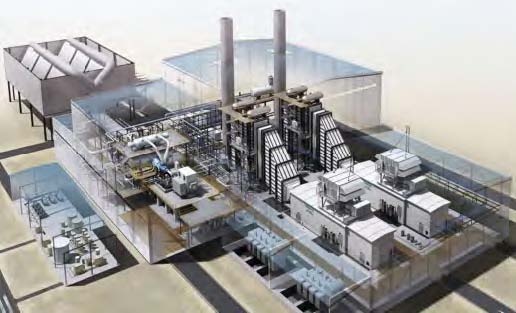
WAPG 120 MW Power Plant2025-OngoingFreetown, Sierra LeoneSargent & LundyPower PlantCombined Cycle Power Plant based on 2x SGT-750 Gas Turbines and 1x 43.32 MW STG Steam TurbineSite owner engineer for civil, mechanical, electrical, and instrumentation trades

Project Background & Objectives

The WAPG 120 MW Power Plant project was initiated as a flagship utility-scale power infrastructure development to critically expand reliable generation capacity and support long-term economic development in Freetown, Sierra Leone. Commissioned by Sargent & Lundy, this landmark high-efficiency facility involves constructing a state-of-the-art Combined Cycle Power Plant based on 2x SGT-750 Gas Turbines and 1x 43.32 MW STG Steam Turbine to supply steady baseload power to the regional transmission grid. Within this highly sophisticated thermal generation framework, PDP Energy was selected to protect the project’s technical and structural integrity. The primary company-specific objectives focus on fulfilling the comprehensive role of Site owner engineer for civil, mechanical, electrical, and instrumentation trades, providing rigorous field quality assurance across all engineering disciplines.

Project Challenges

Overseeing the physical realization of a multi-turbine 120 MW combined-cycle asset in a demanding West African environment introduces extreme logistical, structural, and technical supervisory complexities. Managing a site that integrates high-performance gas turbines with a secondary 43.32 MW steam turbine generator (STG) requires flawless field precision to monitor heat recovery steam generators (HRSGs), complex high-pressure piping networks, and advanced thermal cooling systems. As the Owner’s Engineer, PDP Energy must navigate intense hurdles across all engineering disciplines—ensuring structural foundation safety against subsoil variations, auditing contractor component alignments, and verifying complicated electrical grid-interconnection parameters. Furthermore, supervising thousands of integrated instrumentation and automation loops demands strict technical accuracy to guarantee reliable real-time process control, manage safety trips, and eliminate localized fault risks before testing and commissioning phase.

Project Outcomes

Operating as the active on-site independent engineering authority, PDP Energy is successfully executing its comprehensive multi-trade site supervision and construction auditing services for the massive facility. The project effectively establishes an elite technical benchmark for high-efficiency, combined-cycle utility infrastructure in Sub-Saharan Africa. By delivering synchronized and detailed quality tracking across civil, mechanical, electrical, and control domains, PDP Energy is clearing a secure path toward the successful commissioning of the 120 MW power complex, ensuring maximized fuel efficiency per megawatt-hour, significantly stabilizing regional electricity distribution networks, and delivering an unshakeable stream of stable energy for local communities and industries.

Presidential Palace 4 MW Power Plant

Project Details

NameYearLocationClientTypeDescriptionScope
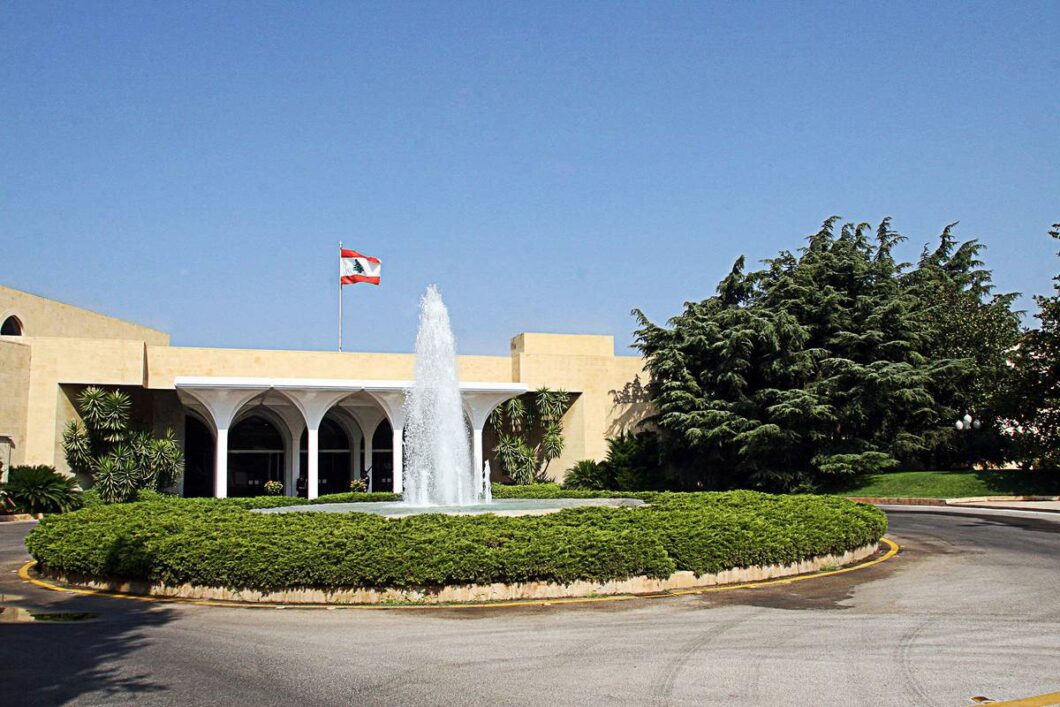
Presidential Palace 4 MW Power Plant2015Baabda, LebanonPresidential palace authoritiesPower PlantRenovation and extension project of the palace's emergency diesel plant and networkRealized conceptual design and prepared specifications and tender documents

Project Background & Objectives

The Presidential Palace 4 MW Power Plant project was initiated to critically upgrade and secure the sovereign backup power infrastructure for the nation’s primary governance campus in Baabda, Lebanon. Commissioned directly by the presidential palace authorities, this highly critical asset focused on a comprehensive renovation and extension project of the palace’s emergency diesel plant and network. Within this high-security public institutional framework, PDP Energy was selected to spearhead the advanced advisory and early technical modeling phases. The primary company-specific objectives centered on delivering a complete engineering roadmap, where the team successfully realized the conceptual design and prepared specifications and tender documents to ensure the 4 MW generation facility operates with absolute reliability and complete energetic autonomy during national grid crises.

Project Challenges

Overhauling and expanding a highly strategic power network inside a fully operational, high-security presidential compound presents intense spatial, structural, and electrical engineering hurdles. Because a primary governance facility demands uncompromised physical security and continuous power continuity with zero tolerance for downtime, the integration of new assets with existing grids required complex technical staging. PDP Energy had to resolve challenging technical constraints, including engineering strict acoustic and vibration containment parameters to blend with the palace architecture, designing rapid automatic transfer switching mechanisms, and configuring highly robust protection schemes. These measures were vital to safeguard mission-critical communication centers and data mainframes against voltage fluctuations or cascading system failures.

Project Outcomes

Operating as the primary conceptual engineering consultant, PDP Energy successfully formulated and delivered the complete conceptual design package, comprehensive technical specifications, and structural tender documents. The project effectively established an unshakeable, elite technical blueprint tailored for strategic national security and civic infrastructure assets. By providing highly precise load-matching models and synchronized protection schematics, PDP Energy cleared the path for the secure deployment of the updated 4 MW power plant, guaranteeing complete backup power redundancy, protecting sovereign operations, and insulating the entire compound from municipal utility grid deficits.

Port of Beirut 10 MW Power Plant

Project Details

NameYearLocationClientTypeDescriptionScope
Port of Beirut 10 MW Power Plant2005Beirut, LebanonPort of Beirut authoritiesPower PlantDiesel emergency power plant and infrastructure supplying power to container terminal cranesActed as client representative during all project phases

Project Background & Objectives

The Port of Beirut 10 MW Power Plant project was initiated to build an elite, highly reliable captive power solution to support the massive maritime operations at Lebanon’s primary shipping hub in Beirut, Lebanon. Commissioned directly by the Port of Beirut authorities, this critical infrastructure asset was planned to serve as a high-capacity Diesel emergency power plant and infrastructure supplying power to container terminal cranes. Within this high-demand, high-security logistics framework, PDP Energy was selected to protect the stakeholders’ interests throughout the entire lifecycle of the development. The primary company-specific objectives centered on fulfilling the extensive Client Representative role during all project phases, ensuring the physical deployment perfectly aligned with international standards and successfully secured independent energy backup for the port’s heavy cargo machinery.

Project Challenges

Designing and integrating a heavy-duty 10 MW emergency diesel power plant to drive utility-scale container terminal cranes presents severe spatial and mechanical engineering hurdles. Port cranes demand massive, near-instantaneous surge currents when lifting heavy cargo loads, creating extreme voltage fluctuations and severe mechanical stress on power generation equipment. PDP Energy had to navigate complex technical constraints, engineering a highly coordinated electrical layout capable of absorbing these sudden load variations without triggering system blackouts. Furthermore, providing independent oversight across all project phases required meticulous vetting of contractor blueprints, validating rapid automatic transfer switching mechanisms, and enforcing strict safety protocols to ensure construction proceeded seamlessly without disrupting active, 24/7 maritime shipping schedules.

Project Outcomes

Operating as the dedicated client representative, PDP Energy successfully concluded its comprehensive engineering audits, multi-trade design reviews, and construction monitoring services. The project effectively guaranteed that the entire power facility and integrated distribution grid were executed to the highest engineering standards, ensuring long-term operational durability and structural safety. By delivering rigorous independent engineering supervision across all phases, PDP Energy cleared the path for the secure deployment of the 10 MW emergency asset, ensuring the port maintains complete power autonomy, isolates its mission-critical crane networks from municipal grid deficits, and safeguards the continuity of international trade.

Lebanese American University 8 MW Power Plant

Project Details

NameYearLocationClientTypeDescriptionScope
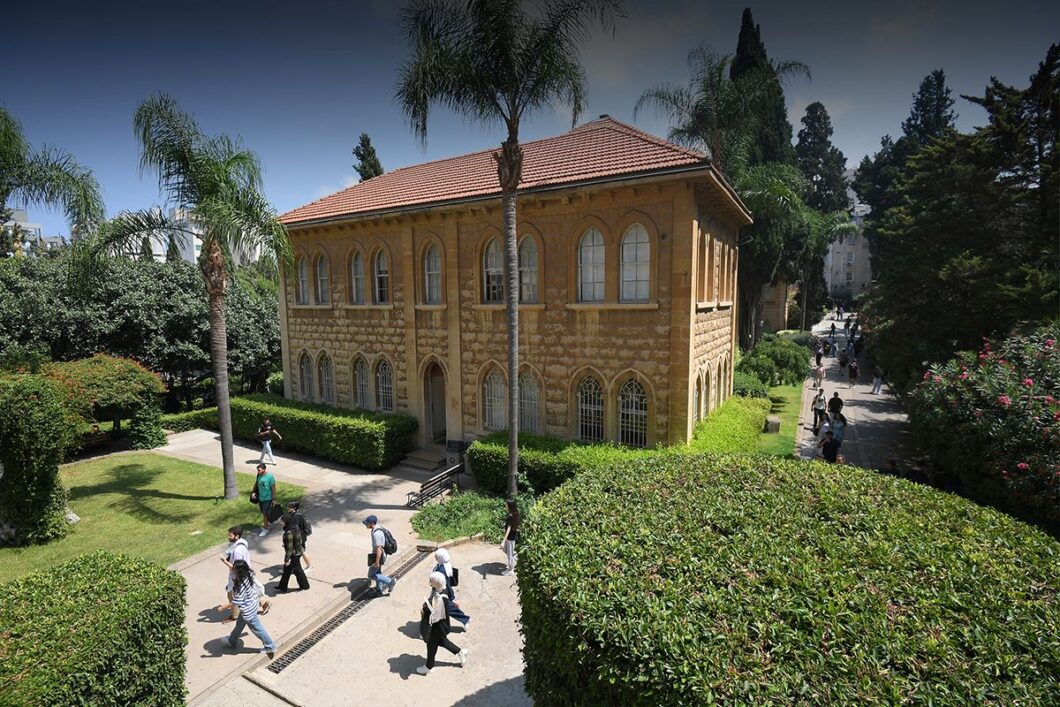
Lebanese American University 8 MW Power Plant2016Beirut, LebanonLAUPower PlantDiesel emergency power plant and electrical infrastructure for campus expansionWorked on conceptual design, preparation of tender documents, and supervised construction

Project Background & Objectives

The Lebanese American University 8 MW Power Plant project was initiated to build an elite, highly reliable captive power solution to support the extensive campus expansion of the Lebanese American University in Beirut, Lebanon. Commissioned directly by LAU, this critical infrastructure asset was planned to serve as a high-capacity Diesel emergency power plant and electrical infrastructure network to safeguard continuous academic, medical, and administrative operations against volatile municipal grid deficits. Within this high-demand institutional development context, PDP Energy was selected to spearhead all technical and oversight phases. The primary company-specific objectives centered on delivering a complete project lifecycle roadmap, where the engineering team worked on conceptual design, preparation of tender documents, and supervised construction of the 8 MW generation facility.

Project Challenges

Designing and integrating a heavy-duty 8 MW emergency diesel power plant within a dense, active urban university campus presents severe spatial, environmental, and network engineering hurdles. PDP Energy had to navigate complex technical constraints, including engineering strict acoustic containment, vibration isolation, and optimized exhaust filtration systems to comply with stringent urban environmental standards. On the electrical and automation side, integrating the new generation block with existing and expanding campus networks required precise synchronization. The design demanded highly advanced automatic transfer switching mechanisms, meticulous fault-ride-through protection configurations, and rigorous load-shedding schemes to guarantee instantaneous, safe backup transition to critical medical mainframes and university data centers without risking voltage dips or equipment damage.

Project Outcomes

Operating as the primary full-lifecycle engineering consultant and supervisor, PDP Energy successfully finalized the complete conceptual design package, comprehensive structural tender documentation, and independent field construction monitoring services. The project effectively established an unshakeable, high-performance energy foundation tailored for premier metropolitan educational assets. By delivering highly synchronized and resilient electrical blueprints alongside rigorous quality control on-site, PDP Energy cleared the path for the secure deployment of the 8 MW power plant, ensuring absolute energy redundancy, safeguarding vital institutional data integrity, and securing uninterrupted operations across the expanded campus.

Zouk & Jiyeh 180 MW & 80 MW Power Plants

Project Details

NameYearLocationClientTypeDescriptionScope
Zouk & Jiyeh 180 MW & 80 MW Power Plants2017Zouk & Jiyeh, LebanonElectricite du Liban (EDL)Power PlantTwo greenfield HFO power plants based on MAN engines equipped with HRSG steam turbinesAssisted client in supervising the main contractor during the commissioning phase

Project Background & Objectives

The Zouk & Jiyeh 180 MW & 80 MW Power Plants project was initiated to build high-capacity, highly efficient utility generation solutions to critically reinforce the national electrical grid infrastructure in Zouk & Jiyeh, Lebanon. Commissioned directly by the state utility Electricite du Liban (EDL), this mega-scale energy development focused on the construction of two greenfield HFO power plants based on MAN engines equipped with HRSG steam turbines to supply maximum baseload capacity. Within this highly sophisticated combined-cycle utility framework, PDP Energy was selected to protect the state utility’s interests and ensure technical excellence. The primary company-specific objectives centered on fulfilling a critical advisory and oversight role, where the engineering team successfully assisted the client in supervising the main contractor during the commissioning phase.

Project Challenges

Overseeing the final testing and commissioning phase simultaneously across two high-capacity power plants (180 MW and 80 MW) introduces extreme mechanical, thermal, and electrical orchestration challenges. Utilizing massive MAN heavy fuel oil (HFO) engines integrated with secondary Heat Recovery Steam Generator (HRSG) steam turbines demands meticulous synchronization to ensure optimal combined-cycle thermodynamic efficiencies. PDP Energy had to navigate intense supervisory hurdles, including auditing complex multi-disciplinary contractor testing protocols under tight regulatory schedules. On the automation and electrical side, validating performance parameters required rigorous quality control over rapid automatic load-sharing loops, transient grid stability interfaces, and centralized protective relay schemes to guarantee the massive multi-engine complexes could safely feed power into EDL’s grid without triggering system faults or cascading regional blackouts.

Project Outcomes

Operating as the primary independent technical advisor and commissioning supervisor, PDP Energy successfully directed the comprehensive contractor oversight and system validation services for both utility assets. The project effectively established an elite, highly reliable engineering framework that ensured maximum plant uptime and verified complete adherence to international generation standards. By providing rigorous, multi-disciplinary technical audits during the final startup sequences, PDP Energy cleared a secure path for EDL to safely commercialize the Zouk and Jiyeh facilities, adding a combined 260 MW of highly stable, high-efficiency electricity to the national infrastructure and significantly minimizing regional power deficits across Lebanon.