ArchivesCivil, Structural & Architectural Design

Total Terminal Oily Water Treatment

Project Details

NameYearLocationClientTypeDescriptionScope
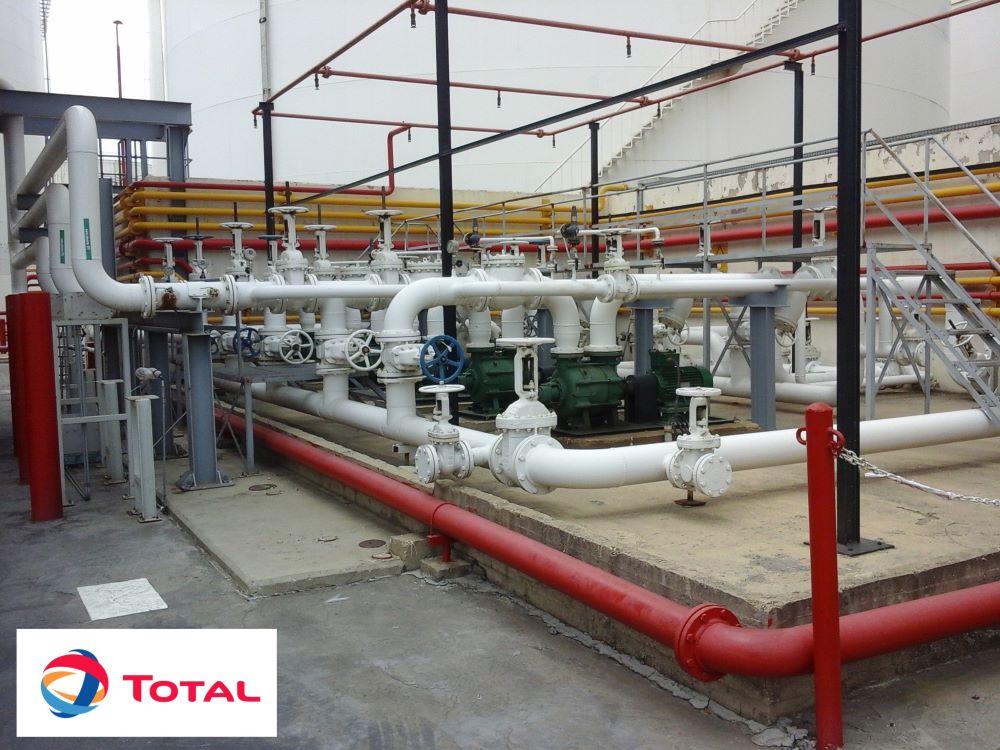
Total Terminal Oily Water Treatment2019Dora, LebanonTotal LibanInfrastructureOily water system designTerminal oily water network and treatment system conceptual and detailed design

Project Background & Objectives

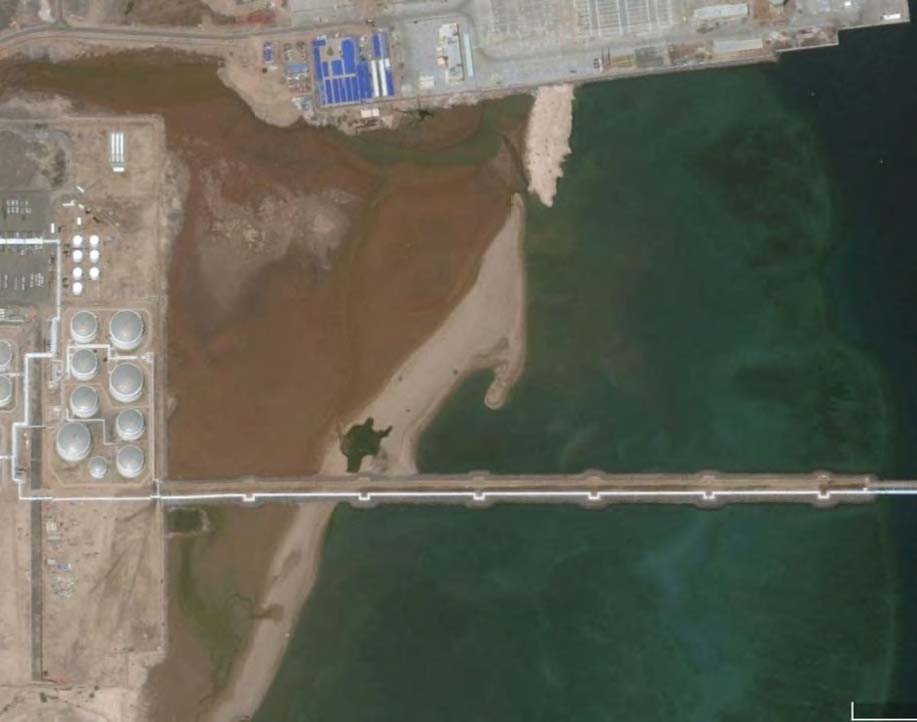
The Total Terminal Oily Water Treatment project was initiated to critically upgrade the environmental compliance and wastewater processing infrastructure at a major coastal fuel storage facility in Dora, Lebanon. Commissioned by Total Liban, this targeted midstream infrastructure development required specialized environmental and fluid engineering to safely manage industrial runoff from active fuel sectors. Within this vital downstream energy distribution framework, PDP Energy was selected to command the core technological modeling and realization phases. The primary company-specific objectives centered on executing a comprehensive Oily water system design, delivering the full terminal oily water network and treatment system conceptual and detailed design to guarantee absolute pollution control and strict regulatory adherence.

Project Challenges

Designing an efficient industrial wastewater network within a highly active, high-hazard petroleum storage terminal presents intense chemical, mechanical, and fluid dynamics complexities. Industrial runoff from fuel loading racks, tank farms, and containment dikes contains volatile hydrocarbons, suspended solids, and chemical contaminants that require sophisticated extraction techniques before environmental discharge. PDP Energy had to navigate complex technical constraints, engineering a robust drainage network capable of collecting irregular stormwater surges and process wastewater without risking cross-contamination or structural backflows. Furthermore, sizing the centralized separation equipment and oil-water separators demanded highly precise hydraulic calculations and fluid velocity mapping to maximize separation efficiency under varying flow rates, all while operating seamlessly alongside continuous terminal logistics.
Project Outcomes

Operating as the primary detailed engineering and environmental design partner, PDP Energy successfully formulated and delivered the complete conceptual and multi-disciplinary detailed design packages for the oily water infrastructure. The project effectively established a highly resilient, modern technical reference for downstream oil and gas environmental safety in the Levant region. By providing synchronized civil-mechanical piping layouts, advanced hydraulic flow schematics, and optimized treatment system blueprints, PDP Energy cleared the path for the secure deployment of the updated network, drastically upgrading the terminal’s environmental defense layer, eliminating accidental discharge risks, and ensuring complete compliance with stringent environmental preservation laws.

Djibouti Petroleum Terminal

Project Details

NameYearLocationClientTypeDescriptionScope
Djibouti Petroleum Terminal2016Djibouti, DjiboutiEncoGroupPipelineFire fighting pumping station & 20” sea water piping network addition to existing systemPDP Energy executed a review of the preliminary designs, a stress analysis and the detailed engineering for the project

Project Background & Objectives

The Djibouti Petroleum Terminal project was initiated to critically upgrade the safety and emergency response infrastructure of a major coastal oil storage facility in Djibouti. Driven by the terminal authorities’ need to fortify their active safety assets, the project involved adding a high-capacity sea pumping station and a 20-inch seawater piping network to the existing onshore firefighting framework. Within this critical industrial upgrade context, EncoGroup appointed PDP Energy to lead the complex technical evaluation and design validation. The primary company-specific objectives centered on executing a comprehensive review of the preliminary designs, a stress analysis, and the detailed engineering for the project, ensuring the new maritime firefighting infrastructure meets strict international safety and operational standards.

Project Challenges

Integrating a heavy-duty maritime seawater pumping infrastructure into an active, high-hazard petroleum terminal introduces severe engineering and physical challenges. Routing a large-bore 20-inch piping network from the sea to onshore facilities requires mitigating severe corrosion threats and dynamic marine forces while maintaining absolute structural integrity under massive pressure loads. PDP Energy had to navigate complex mechanical constraints, executing precise pipeline stress analysis to simulate thermal expansion, structural soil-pipe interactions, and transient water hammer effects. Additionally, reviewing preexisting preliminary blueprints required identifying and correcting subtle structural and process vulnerabilities to ensure the new pumping equipment functions flawlessly without disrupting ongoing fuel storage and transfer operations.

Project Outcomes

Operating as the primary detailed engineering and stress analysis partner, PDP Energy successfully delivered a validated design framework and a complete detailed engineering package for the firefighting expansion. The project effectively established a highly resilient, high-volume fire suppression asset tailored for mission-critical marine energy hubs. By providing rigorous technical design reviews and localized structural verifications, PDP Energy cleared the path for the secure deployment of the sea pumping station and 20-inch piping infrastructure, drastically upgrading the terminal’s emergency preparedness, safeguarding strategic fuel assets, and mitigating large-scale industrial risks.

Berbera 7 MWp PV Plant

Project Details

NameYearLocationClientTypeDescriptionScope
Berbera 7 MWp PV Plant2020Berbera, SomalilandECOsysPhotovoltaicEPC project for a 7 MWp solar plantExecuted the design of the plant AC part

Project Background & Objectives

The Berbera 7 MWp PV Plant project was initiated as a flagship clean energy infrastructure development to significantly boost power availability and reduce heavy fossil fuel dependency in Berbera, Somaliland. Commissioned as part of a utility-scale EPC project for a 7 MWp solar plant, the commercial facility was designed to introduce highly efficient renewable generation to a rapidly growing coastal region. Within this structural deployment framework, ECOsys engaged PDP Energy to take charge of the highly specialized electrical network architecture. The primary company-specific objectives focused on executing the precise electrical design of the plant’s AC subsystem, ensuring a robust power distribution framework that securely steps up generated solar energy for grid transmission.

Project Challenges

Designing the alternating current (AC) infrastructure for a high-capacity 7 MWp generation facility in an arid, high-temperature environment introduces demanding technical hurdles. PDP Energy had to navigate complex electrical design constraints, including optimizing medium-voltage substation layouts, choosing thermally resilient distribution cabling, and sizing high-efficiency step-up transformers capable of enduring harsh environmental conditions. Additionally, maintaining system reliability required engineering strict protection coordination and harmonic distortion mitigation schemes, preventing electrical imbalances from destabilizing the local network or causing critical equipment downtime.

Project Outcomes

Operating as the critical electrical engineering partner, PDP Energy successfully delivered the complete AC engineering and design package for the utility-scale installation. The project successfully established a high-performance electrical backbone, ensuring the safe and continuous flow of clean power from the solar arrays into the local distribution grid. By providing synchronized and robust design solutions, PDP Energy paved the way for the successful commissioning of the 7 MWp renewable asset, significantly lowering regional utility generation costs and delivering eco-friendly electricity to homes and businesses across Berbera.

Project Gallery

Freetown 6 MWp PV Plant

Project Details

NameYearLocationClientTypeDescriptionScope
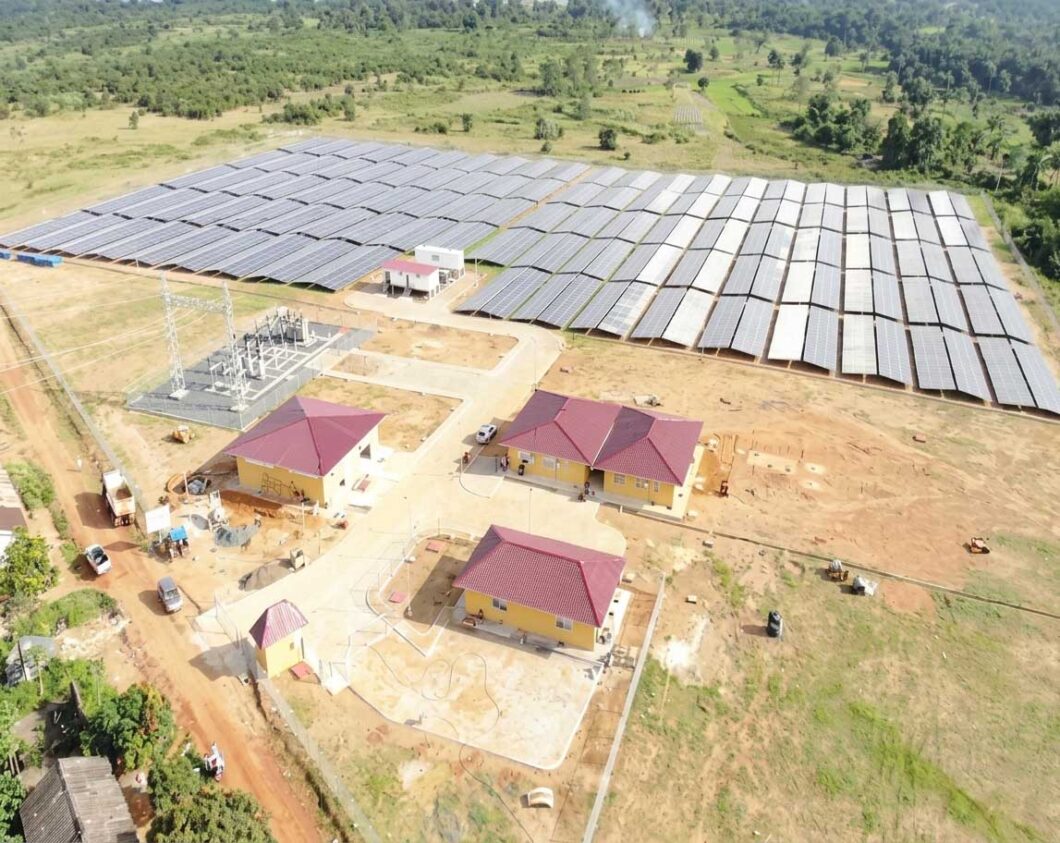
Freetown 6 MWp PV Plant2018Freetown, Sierra LeoneSMRTPhotovoltaicEPC project for a 6 MWp solar farm with a 61KV substation and overhead grid linesPart of JV for EPC; handled civil design, AC side, substation, and overhead connection

Project Background & Objectives

The Freetown 6 MWp PV Plant was initiated as a landmark renewable infrastructure development to diversify Sierra Leone’s national energy mix and reduce its heavy reliance on imported fossil fuels. Sponsored by the International Renewable Energy Agency (IRENA) and funded by the Abu Dhabi Fund for Development (ADFD), the utility-scale installation was designed to feed clean electricity directly into the national grid to satisfy roughly 6% of Freetown’s total power demand. Within this critical development context, PDP Energy joined the engineering, procurement, and construction (EPC) joint venture under the client SMRT Projects & Energy Solutions.
 
The primary company-specific objectives centered on executing the complex detailed power plant engineering and procurement technicalities. This focused on safely integrating the new clean energy capacity via precise civil engineering layouts, full AC-side system design, and the development of a 61KV distribution substation leading up to a secure overhead transmission grid connection.

Project Challenges

Introducing the nation’s first large-scale PV facility presented significant engineering and logistical complexities. Connecting a new fluctuating renewable source into an under-developed local utility network required rigorous grid-stability planning. PDP Energy had to overcome these technical hurdles by designing robust infrastructure from scratch, including complex low- and high-voltage connections, comprehensive civil engineering layouts, a dedicated 61KV distribution substation, and a specialized overhead grid line extension to guarantee safe, stable power injection without overloading the existing network.

Project Outcomes

Operating within a specialized joint venture, PDP Energy successfully delivered the complete detailed power plant engineering package, covering the entire AC network side and substation infrastructure. The project effectively established a model for modern renewable energy deployment in West Africa. By delivering stable, synchronized grid connections, the engineering framework successfully paved the way for commissioning a pioneering solar asset that provides high-performance, eco-friendly electricity to thousands of urban households and local businesses.

Project Gallery

Lome 2 x 25 MW Gas Turbines Power Plant

Project Details

NameYearLocationClientTypeDescriptionScope
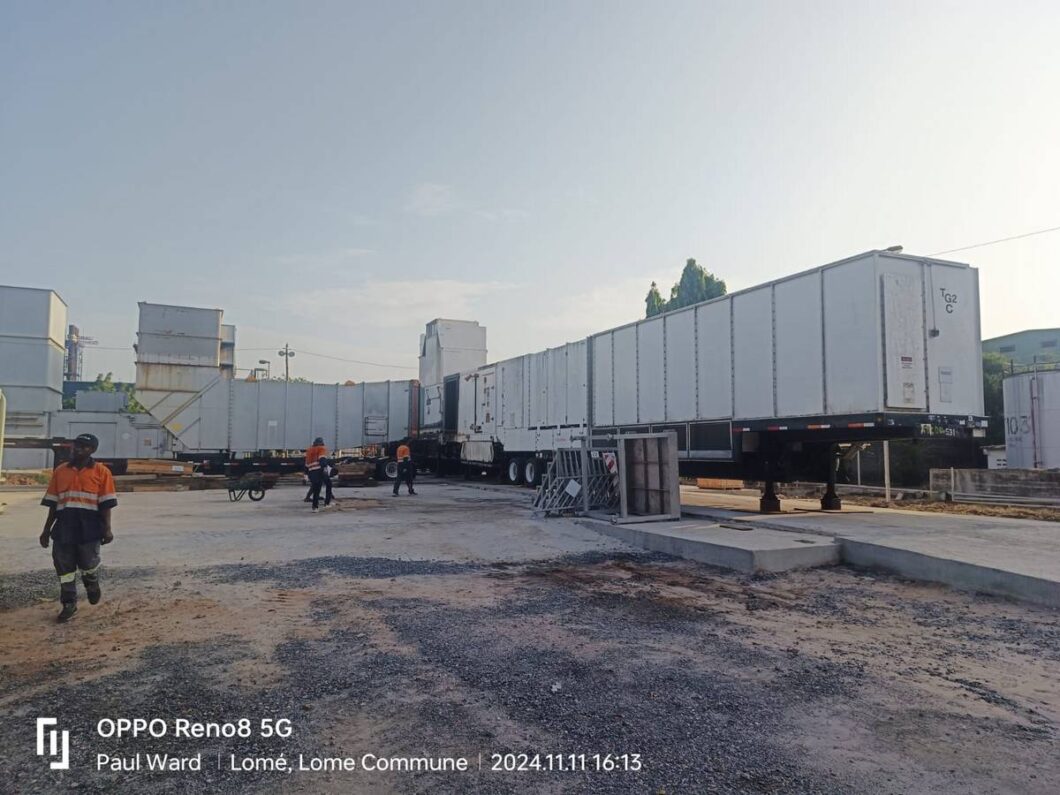
Lome 2 x 25 MW Gas Turbines Power Plant2024Lome, TogoUSP&EPower PlantNatural Gas Power Plant based on GE TM2500 TurbinesExecuting detailed design and preparing procurement specifications (mechanical, electrical, I&C)

Project Background & Objectives

The Lome 2 x 25 MW Gas Turbines Power Plant project was initiated as a high-capacity utility development to critically enhance grid capacity and secure energy independence in Lome, Togo. Commissioned by USP&E, this landmark fast-track project focused on establishing a state-of-the-art Natural Gas Power Plant based on GE TM2500 Turbines to serve as a high-reliability generation hub for the regional grid. Within this sophisticated aero-derivative turbine application framework, PDP Energy was selected to anchor the central engineering and material sourcing phases. The primary company-specific objectives centered on executing detailed design and preparing procurement specifications (mechanical, electrical, I&C), establishing an optimized and fully synchronized engineering baseline for the modern power complex.

Project Challenges

Designing utility-scale infrastructure around mobile aero-derivative GE TM2500 gas turbines introduces severe mechanical, electrical, and control synchronization challenges, especially in tropical coastal environments. PDP Energy had to navigate complex process constraints, including optimizing high-pressure natural gas supply systems, fuel conditioning loops, and large-volume ventilation requirements under strict manufacturer parameters. On the electrical and automation side, integrating 2 x 25 MW units required meticulous engineering to handle transient stability, manage grid connection standards, and mitigate rapid load fluctuations. Furthermore, drafting highly specialized procurement specifications for mechanical, electrical, and instrumentation and control (I&C) trades demanded strict technical accuracy to guarantee complete hardware compatibility, robust environmental protection, and long-term turbine operational security.

Project Outcomes

Operating as the primary detailed engineering and procurement advisory partner, PDP Energy successfully formulated and delivered the comprehensive multi-disciplinary detailed design packages and technical procurement specifications. The project effectively established a highly efficient, world-class reference for fast-track utility-scale turbine generation in West Africa. By providing synchronized civil-mechanical layouts and advanced electrical network schematics, PDP Energy cleared the path for USP&E to safely commission the 50 MW gas turbine plant, significantly stabilizing the Togolese national grid, reducing regional power deficits, and ensuring a continuous, high-efficiency energy supply to sustain growing local economic sectors.

Project Gallery

Kotu 11MW Power Plant

Project Details

NameYearLocationClientTypeDescriptionScope
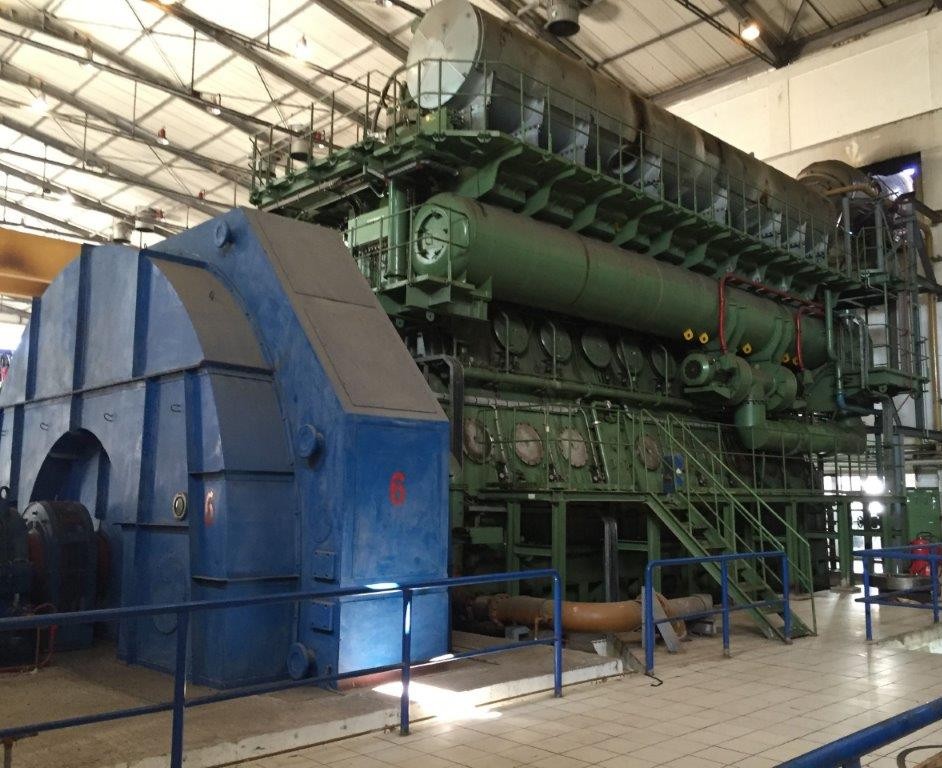
Kotu 11MW Power Plant2015Kotu, The GambiaNAWECPower PlantHFO power plant based on two-stroke Doosan engines.Executed the full detailed engineering of the extension, including civil, mechanical, electrical, instrumentation, and control.

Project Background & Objectives

The Kotu 11MW Power Plant project was initiated as a critical utility infrastructure expansion to enhance grid capacity and support rising energy demands in Kotu, The Gambia. Commissioned by the National Water & Electricity Company (NAWEC), this essential project focused on an extension utilizing an HFO power plant based on two-stroke Doosan engines. Within this strategic brownfield utility framework, PDP Energy was selected to command the full design phase. The primary company-specific objectives centered on executing the full detailed engineering of the extension, including civil, mechanical, electrical, instrumentation, and control, ensuring complete system integration into the active facility.

Project Challenges

Engineering an 11MW heavy fuel oil (HFO) extension utilizing massive two-stroke Doosan engines inside an operational brownfield complex presents severe technical and structural hurdles. PDP Energy had to navigate the mechanical and civil complexities of designing robust structural foundations capable of dampening the immense low-frequency vibrations generated by two-stroke machinery. On the electrical and automation side, integrating the new block required meticulous planning to sync fuel handling, cooling loops, and high-voltage connections into NAWEC’s existing grid interface without causing operational downtime. Furthermore, coordinating thousands of real-time automation loops under a unified instrumentation and control (I&C) system demanded extreme precision to eliminate the risk of cascading grid failures.

Project Outcomes

Operating as the multi-disciplinary engineering partner, PDP Energy successfully formulated and delivered the complete civil, mechanical, electrical, and control detailed engineering packages for the extension. The project successfully established a resilient technical blueprint for increasing national generation capacity under tight operational constraints. By delivering highly synchronized and detailed technical blueprints, PDP Energy cleared the path for NAWEC to safely commission the 11MW energy asset, significantly stabilizing the Gambian national electrical grid and delivering a dependable power supply to local communities and commercial sectors.