ArchivesOil & Gas

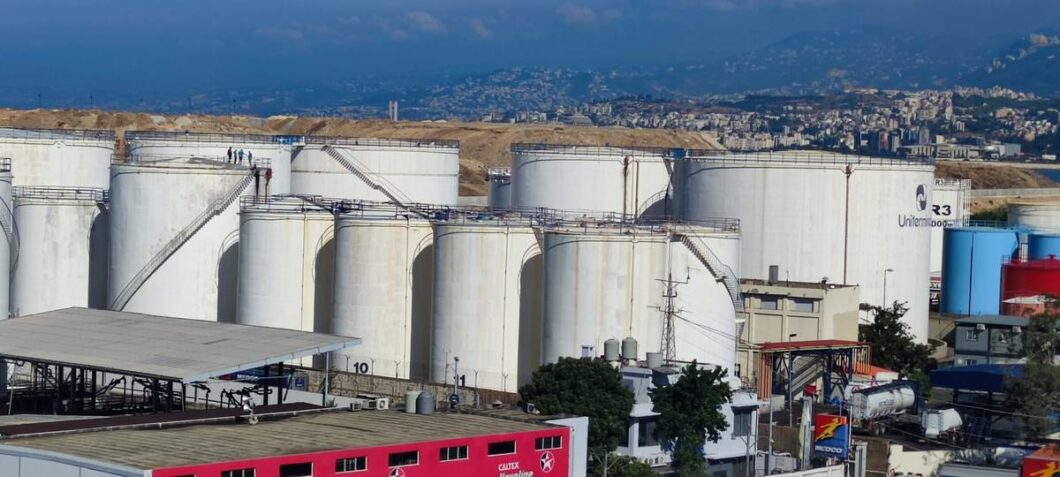
Uniterminals Terminal

Project Details

NameYearLocationClientTypeDescriptionScope
Uniterminals Terminal2026Dora, LebanonUniterminalsInfrastructureOverall terminal redesignRedesign of tanks, sealine routing, thermal heating system for HFO/Bitumen, process piping, fire fighting, and oily water systems

Project Background & Objectives

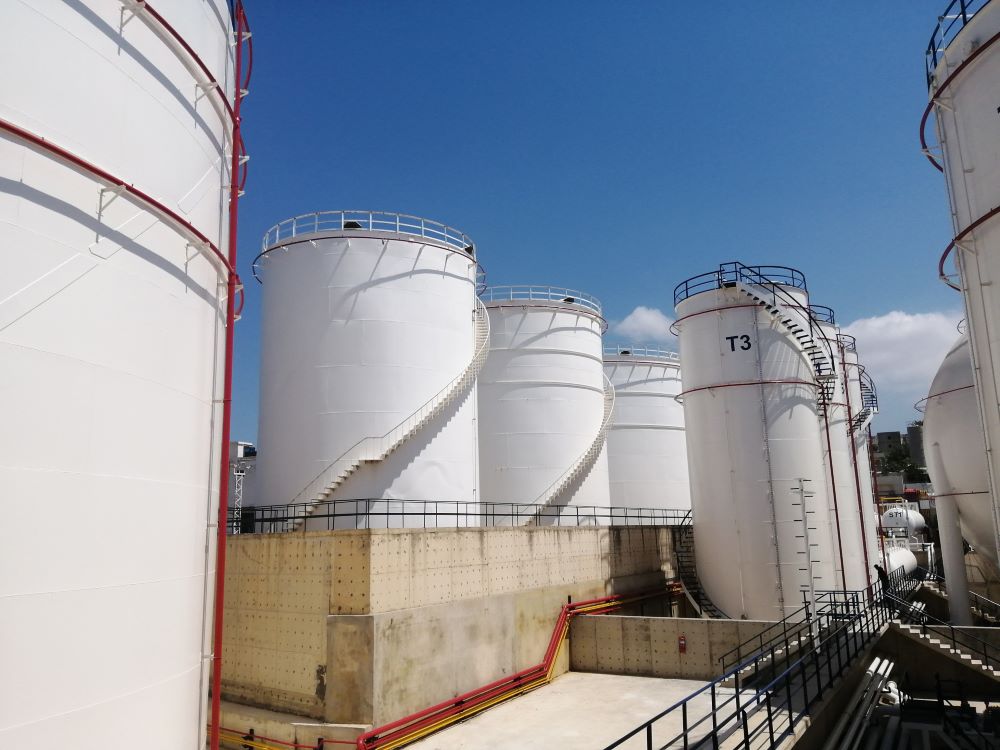
The Uniterminals Terminal project was initiated to execute a comprehensive modernization, safety expansion, and infrastructural overhaul at a major coastal fuel storage facility in Dora, Lebanon. Commissioned directly by Uniterminals, this large-scale midstream infrastructure asset required advanced multi-disciplinary engineering to update legacy systems and improve handling efficiencies for highly viscous products. Within this complex industrial framework, PDP Energy was selected to lead the complete technological transformation phase. The primary company-specific objectives centered on commanding the overall terminal redesign, an extensive engineering mandate requiring the complete redesign of tanks, sealine routing, thermal heating system for HFO/Bitumen, process piping, fire fighting, and oily water systems to secure strict regulatory compliance and operational excellence.

Project Challenges

Re-engineering a fully integrated coastal petroleum terminal introduces severe chemical, mechanical, fluid dynamics, and logistical coordination hurdles. Managing heavy fuel oil (HFO) and bitumen requires designing high-performance thermal heating systems to precisely regulate product temperatures, preventing crystallization or extreme viscosity spikes within the process piping networks. PDP Energy had to navigate massive technical constraints, including optimizing hazardous maritime fluid transfer dynamics for complex sealine routing loops. Furthermore, updating structural tanks layouts while simultaneously overlapping high-volume centralized fire fighting networks and advanced environmental oily water systems demanded meticulous spatial formatting and exhaustive hydraulic modeling to eliminate cross-contamination risks or pressure drops without causing operational downtime at the active marine facility.

Project Outcomes

Operating as the primary detailed engineering and multi-disciplinary design partner, PDP Energy successfully formulated and delivered the complete terminal redesign engineering package. The project effectively established a leading technical reference for high-efficiency, climate-resilient midstream safety and storage infrastructure in the Levant region. By providing highly synchronized civil-mechanical piping layouts, optimized thermodynamic heating models, and precise hazard isolation blueprints, PDP Energy cleared the path for the secure deployment of the updated terminal assets. This drastically upgraded the facility’s processing flexibility, reinforced its environmental and fire safety defense layers, and guaranteed an unshakeable standard of industrial operational security.

Project Gallery

Wardieh Holdings Terminal

Project Details

NameYearLocationClientTypeDescriptionScope
Wardieh Holdings Terminal2024Dora, LebanonWardieh HoldingsInfrastructureOverall terminal redesignRedesign of legacy and new tanks, sealine routing, process piping, fire fighting, oily water systems, and dike walls

Project Background & Objectives

The Wardieh Holdings Terminal project was initiated to execute a complete technical modernization, safety expansion, and comprehensive infrastructural upgrade at a major coastal fuel storage facility in Dora, Lebanon. Commissioned directly by Wardieh Holdings, this large-scale midstream infrastructure asset required advanced multi-disciplinary engineering to replace aging systems, expand storage capacities, and ensure elite environmental protection. Within this complex downstream energy distribution framework, PDP Energy was selected to lead the complete technological transformation phase. The primary company-specific objectives centered on commanding the overall terminal redesign, an extensive engineering mandate requiring the complete redesign of legacy and new tanks, sealine routing, process piping, fire fighting, oily water systems, and dike walls to secure strict regulatory compliance and operational excellence.

Project Challenges

Re-engineering an active coastal petroleum terminal introduces severe mechanical, fluid dynamics, structural, and logistical coordination hurdles. Routing critical product lines demands precise fluid dynamics and hydraulic modeling to optimize hazardous maritime fluid transfer loops for complex sealine routing networks without disrupting daily port operations. PDP Energy had to navigate massive technical constraints, executing meticulous structural evaluations for the redesign of legacy and new tanks and engineering robust dike walls to guarantee zero failure under containment duress. Furthermore, overlapping high-pressure process piping with high-volume centralized fire fighting loops and advanced environmental oily water systems demanded meticulous spatial formatting and exhaustive hydraulic simulations to prevent sudden pressure drops, manage explosive zone restrictions, and isolate containment hazards flawlessly.

Project Outcomes

Operating as the primary detailed engineering and multi-disciplinary design partner, PDP Energy successfully formulated and delivered the complete terminal redesign engineering package. The project effectively established a leading technical reference for high-efficiency, climate-resilient midstream safety and storage infrastructure in the Levant region. By providing highly synchronized civil-mechanical layouts, precise process schematics, and robust structural blueprints, PDP Energy cleared the path for the secure deployment of the updated terminal assets. This drastically upgraded the facility’s storage flexibility, reinforced its environmental and fire safety defense layers, and guaranteed an unshakeable standard of long-term industrial operational security.

Project Gallery

Stade LNG

Project Details

NameYearLocationClientTypeDescriptionScope
Stade LNG2021Stade, GermanySofregaz FranceOil & Gas terminalDetailed engineering for piping & instruments for oil & gas terminalExecution of detailed engineering for P&IDs, piping layout, piping stress analysis, and instrument list generation

Project Background & Objectives

The Stade LNG project was initiated to critically develop and advance the core midstream processing and storage infrastructure at a major liquefied natural gas importing hub in Stade, Germany. Commissioned by Sofregaz France, this highly complex utility-scale project focused on delivering specialized technical modeling to support safe gas distribution and cryogenic fluid handling. Within this rigorous European regulatory and engineering framework, PDP Energy was selected to lead the central design validation phase. The primary company-specific objectives centered on executing the detailed engineering for piping & instruments for oil & gas terminal operations, establishing an unshakeable, fully compliant mechanical and automated baseline for the critical energy asset.

Project Challenges

Designing high-capacity piping and instrumentation networks within an active, cryogenic LNG terminal introduces extreme thermodynamic, fluid dynamics, and process control complexities. Managing liquefied natural gas requires routing large-bore lines capable of handling ultra-low temperatures, demanding absolute mechanical precision to prevent structural failure or fluid leaks. PDP Energy had to navigate intense technical hurdles, executing meticulous piping stress analysis to simulate intense thermal contraction, high-pressure dynamic loads, and localized soil-pipe interactions across extensive terminal layouts. Furthermore, formulating the comprehensive piping layouts, detailed P&IDs (Piping and Instrumentation Diagrams), and a centralized instrument list generation network required absolute synchronization to ensure automated safety valves and tracking systems operate flawlessly under severe environmental duress.

Project Outcomes

Operating as the primary detailed engineering partner, PDP Energy successfully formulated and delivered the complete P&ID, mechanical layout, pipe stress analysis, and automated instrumentation packages for the utility infrastructure. The project effectively established an elite technical reference for safe and high-efficiency gas terminal infrastructure in Western Europe. By providing highly synchronized multi-disciplinary schematics alongside precise structural stress verifications, PDP Energy cleared the path for the secure deployment of the terminal networks, drastically upgrading the asset’s operational reliability, safeguarding strategic regional fuel assets, and meeting the highest international industrial safety benchmarks.

Project Gallery

Tuba Depot Oil & Gas terminal

Project Details

NameYearLocationClientTypeDescriptionScope
Tuba Depot2020Tuba, IraqSofregaz FranceOil & Gas terminalI&C design review for oil & gas terminalDetailed design of flowmeters and review of I&C design of pumping station

Project Background & Objectives

The Tuba Depot Oil & Gas terminal project was initiated to critically advance and optimize the product tracking and automation infrastructure at a major midstream distribution facility in Tuba, Iraq. Commissioned by Sofregaz France, this utility-scale industrial development focused on integrating high-precision measurement networks and validating process controls across high-volume fuel transfer corridors. Within this complex energy distribution framework, PDP Energy was selected to command the specialized automation and design validation phases. The primary company-specific objectives centered on executing a comprehensive I&C design review for oil & gas terminal operations, a scope that explicitly demanded the detailed design of flowmeters and review of I&C design of the pumping station to guarantee absolute operational control and precise volumetric accounting.

Project Challenges

Engineering and auditing automated instrumentation networks within a strategic petroleum terminal introduces intense technical constraints, fluid dynamics hazards, and strict custody-transfer standards. Hydrocarbon pumping facilities operate under massive hydraulic pressures and varying product viscosities, demanding that automated tracking loops achieve absolute precision to prevent measurement drift or process errors. PDP Energy had to navigate complex technical parameters, reviewing preexisting contractor instrumentation architectures to identify subtle control vulnerabilities, loop redundancies, or signal latencies. Furthermore, engineering the detailed design of flowmeters required meticulous fluid velocity calculations, matching localized pressure boundaries, and choosing robust explosion-proof components capable of continuous, flawless data telemetry in an incredibly volatile, high-hazard environment.

Project Outcomes

Operating as the primary instrumentation, control, and design validation partner, PDP Energy successfully formulated and delivered the completed flowmeter detailed designs and comprehensive pumping station I&C review packages. The project effectively established an elite technical reference for modern custody-transfer and automated process safety across the regional energy sector. By providing synchronized loop diagrams, optimized instrument datasheets, and rigorous design verifications, PDP Energy cleared the path for the secure deployment of the updated terminal assets, drastically upgrading processing efficiency, maximizing volumetric accuracy during fuel transfers, and protecting strategic midstream infrastructure from operational faults.

Project Gallery

IPT Hosrayel Gas Plant

Project Details

NameYearLocationClientTypeDescriptionScope
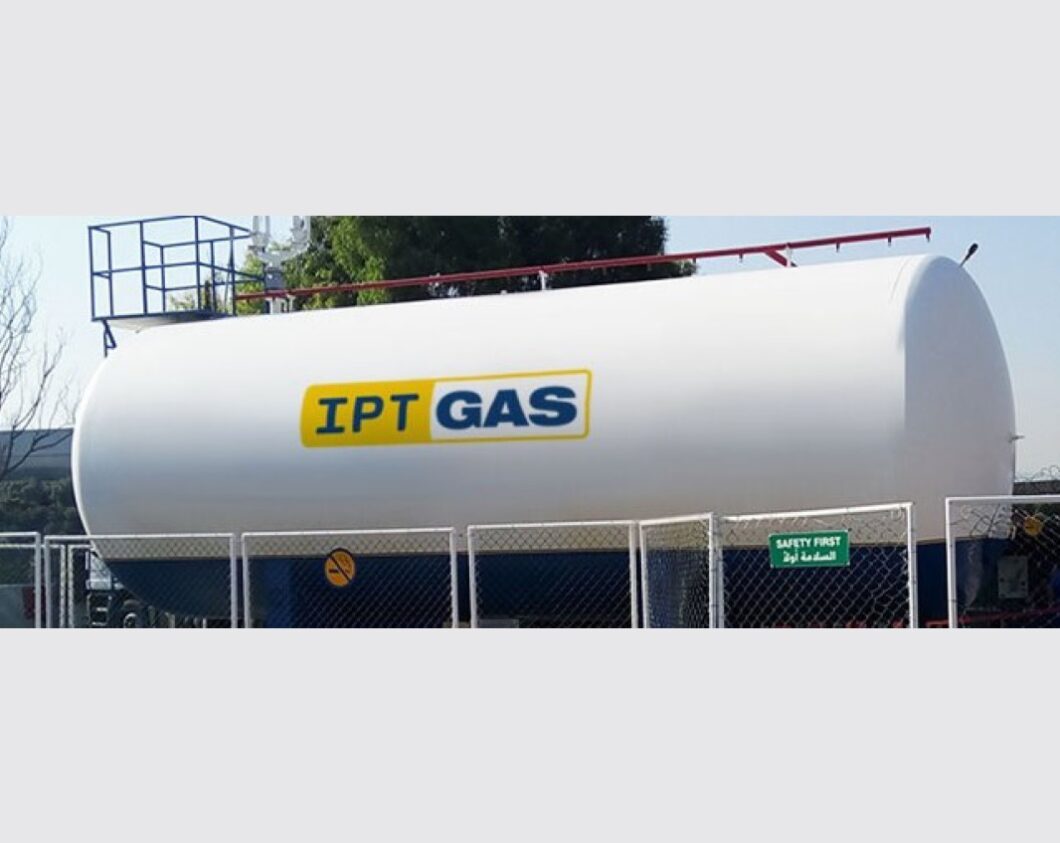
IPT Hosrayel Gas Plant2018Hosrayel, LebanonEncoGroupInfrastructureFire fighting system designDesign of complete fire fighting system as per decree 5509 for Hosrayel gas storage and bottling plant

Project Background & Objectives

cThe IPT Hosrayel Gas Plant project was initiated to critically overhaul and upgrade the industrial safety infrastructure at a major liquefied petroleum gas hub in Hosrayel, Lebanon. Commissioned by EncoGroup, this specialized infrastructure development targeted the implementation of comprehensive emergency protection protocols across high-hazard fuel sectors. Within this critical industrial risk management context, PDP Energy was selected to lead the specialized safety engineering phase. The primary company-specific objectives centered on executing the complete Fire fighting system design, engineering a robust, high-volume suppression framework specifically tailored for the complex operational footprint of the Hosrayel gas storage and bottling plant.

Project Challenges

Engineering an emergency fire protection network for an active gas storage and bottling facility introduces severe thermal, mechanical, and safety complexities. Because liquefied gas environments present extreme volatility risks, the firefighting infrastructure must adhere to stringent national safety mandates. PDP Energy had to navigate these demanding parameters by designing a highly coordinated system that satisfies the rigorous criteria of decree 5509. This required precise calculations for high-pressure water and foam distribution loops, strategic placement of automatic deluge valves, and meticulous pipe stress analysis to ensure the safety network operates flawlessly under extreme heat or structural duress without disrupting daily industrial bottling operations.

Project Outcomes

Operating as the primary safety engineering partner, PDP Energy successfully formulated and delivered the comprehensive fire fighting system design package. The project effectively established an advanced, fully compliant protective framework that sets a baseline for industrial risk mitigation in the local energy sector. By providing synchronized and precise mechanical layouts aligned with decree 5509, PDP Energy cleared the path for secure facility operations, drastically upgrading the terminal’s emergency readiness, safeguarding vital gas storage infrastructure, and protecting the surrounding environment from large-scale industrial hazards.

Lebanon Energy Terminal

Project Details

NameYearLocationClientTypeDescriptionScope
Lebanon Energy Terminal2017Amchit, LebanonEncoGroupInfrastructureFuel piping & fire fighting system designNew terminal piping network design covering the fuel network and fire fighting system with a foam centralized station

Project Background & Objectives

The Lebanon Energy Terminal project was initiated to critically develop and modernize the midstream safety and logistics infrastructure at a major coastal fuel storage facility in Amchit, Lebanon. Commissioned by EncoGroup, this utility-scale infrastructure asset required advanced mechanical and safety engineering to ensure strict operational compliance and environmental safeguarding. Within this complex industrial framework, PDP Energy was selected to lead the complete specialized engineering phase. The primary company-specific objectives centered on executing the comprehensive Fuel piping & fire fighting system design, engineering a robust new terminal piping network design covering the fuel network and fire fighting system with a foam centralized station to guarantee absolute hazard control.

Project Challenges

Designing a high-capacity fuel transmission and fire safety network within an active, high-hazard coastal energy terminal presents intense mechanical and chemical engineering complexities. Routing critical product and safety lines demands precise fluid dynamics and hydraulic modeling to manage volatile fuels safely across extensive layouts. PDP Energy had to resolve major technical hurdles, including executing rigorous pipeline stress analysis to simulate thermal expansion, structural soil-pipe interactions, and transient water hammer hazards. Furthermore, engineering the high-volume fire suppression network required designing a highly sophisticated foam centralized station, demanding meticulous calculations for proportioning systems and synchronized valve sequencing to ensure instantaneous, terminal-wide flame mitigation without risking operational downtime or cross-contamination.

Project Outcomes

Operating as the primary detailed engineering partner, PDP Energy successfully formulated and delivered the complete fuel network and specialized firefighting detailed design packages. The project effectively established a highly resilient, modern technical reference for midstream oil and gas safety infrastructure in the Levant region. By providing synchronized and robust mechanical schematics alongside precise hazard isolation blueprints, PDP Energy cleared the path for the secure operation of the terminal, drastically upgrading its emergency preparedness, securing vital national energy assets, and ensuring an unshakeable layer of environmental and industrial safety.

Total Terminal Oily Water Treatment

Project Details

NameYearLocationClientTypeDescriptionScope
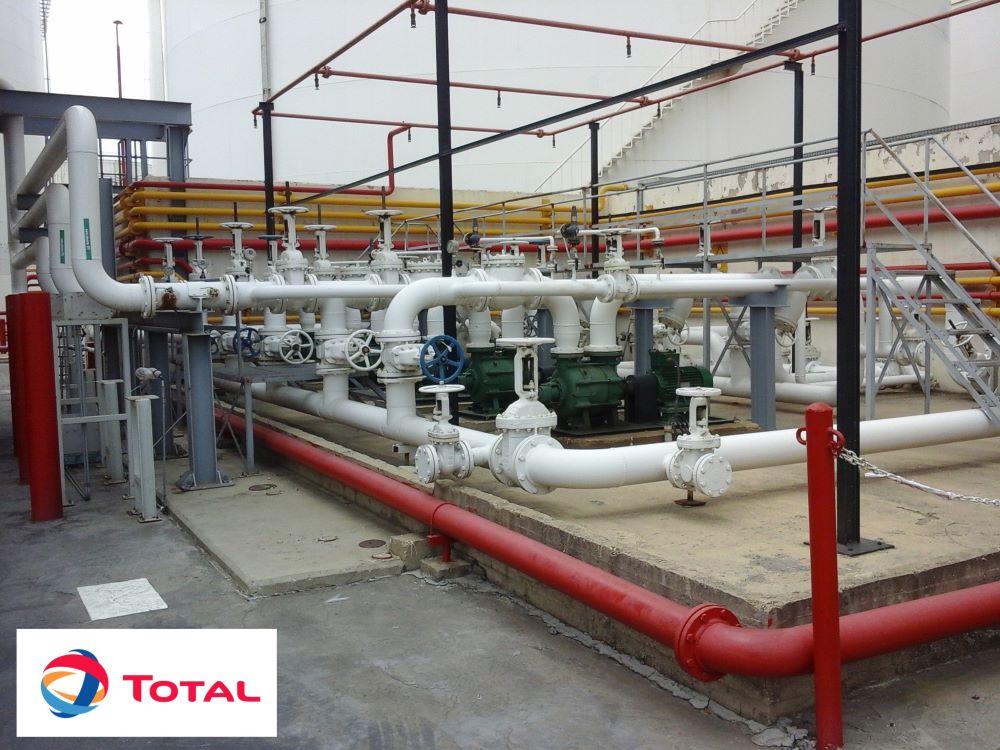
Total Terminal Oily Water Treatment2019Dora, LebanonTotal LibanInfrastructureOily water system designTerminal oily water network and treatment system conceptual and detailed design

Project Background & Objectives

The Total Terminal Oily Water Treatment project was initiated to critically upgrade the environmental compliance and wastewater processing infrastructure at a major coastal fuel storage facility in Dora, Lebanon. Commissioned by Total Liban, this targeted midstream infrastructure development required specialized environmental and fluid engineering to safely manage industrial runoff from active fuel sectors. Within this vital downstream energy distribution framework, PDP Energy was selected to command the core technological modeling and realization phases. The primary company-specific objectives centered on executing a comprehensive Oily water system design, delivering the full terminal oily water network and treatment system conceptual and detailed design to guarantee absolute pollution control and strict regulatory adherence.

Project Challenges

Designing an efficient industrial wastewater network within a highly active, high-hazard petroleum storage terminal presents intense chemical, mechanical, and fluid dynamics complexities. Industrial runoff from fuel loading racks, tank farms, and containment dikes contains volatile hydrocarbons, suspended solids, and chemical contaminants that require sophisticated extraction techniques before environmental discharge. PDP Energy had to navigate complex technical constraints, engineering a robust drainage network capable of collecting irregular stormwater surges and process wastewater without risking cross-contamination or structural backflows. Furthermore, sizing the centralized separation equipment and oil-water separators demanded highly precise hydraulic calculations and fluid velocity mapping to maximize separation efficiency under varying flow rates, all while operating seamlessly alongside continuous terminal logistics.

Project Outcomes

Operating as the primary detailed engineering and environmental design partner, PDP Energy successfully formulated and delivered the complete conceptual and multi-disciplinary detailed design packages for the oily water infrastructure. The project effectively established a highly resilient, modern technical reference for downstream oil and gas environmental safety in the Levant region. By providing synchronized civil-mechanical piping layouts, advanced hydraulic flow schematics, and optimized treatment system blueprints, PDP Energy cleared the path for the secure deployment of the updated network, drastically upgrading the terminal’s environmental defense layer, eliminating accidental discharge risks, and ensuring complete compliance with stringent environmental preservation laws.

Djibouti Petroleum Terminal

Project Details

NameYearLocationClientTypeDescriptionScope
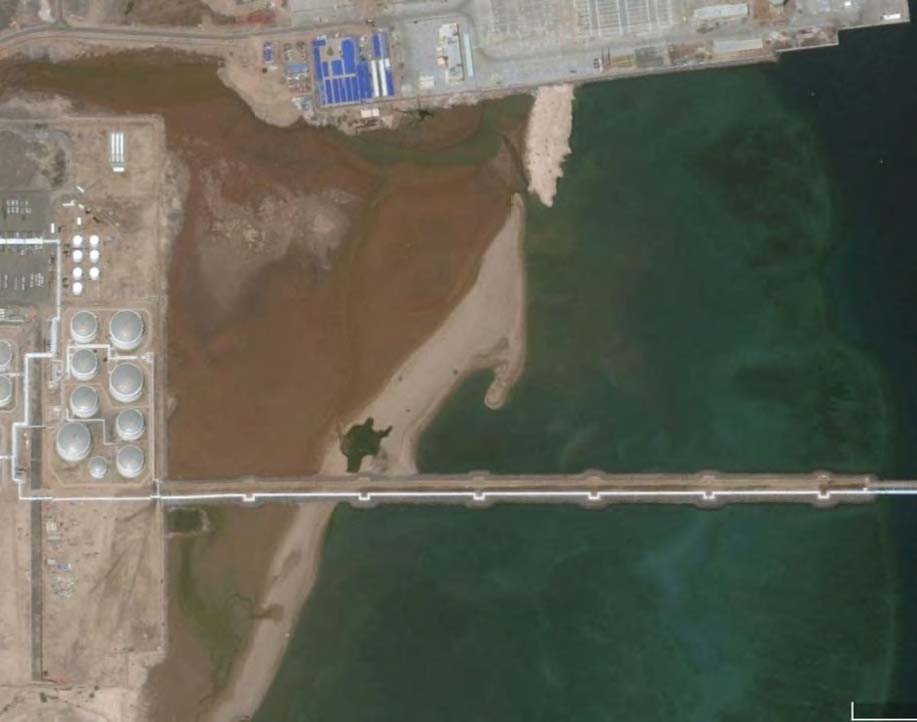
Djibouti Petroleum Terminal2016Djibouti, DjiboutiEncoGroupPipelineFire fighting pumping station & 20” sea water piping network addition to existing systemPDP Energy executed a review of the preliminary designs, a stress analysis and the detailed engineering for the project

Project Background & Objectives

The Djibouti Petroleum Terminal project was initiated to critically upgrade the safety and emergency response infrastructure of a major coastal oil storage facility in Djibouti. Driven by the terminal authorities’ need to fortify their active safety assets, the project involved adding a high-capacity sea pumping station and a 20-inch seawater piping network to the existing onshore firefighting framework. Within this critical industrial upgrade context, EncoGroup appointed PDP Energy to lead the complex technical evaluation and design validation. The primary company-specific objectives centered on executing a comprehensive review of the preliminary designs, a stress analysis, and the detailed engineering for the project, ensuring the new maritime firefighting infrastructure meets strict international safety and operational standards.

Project Challenges

Integrating a heavy-duty maritime seawater pumping infrastructure into an active, high-hazard petroleum terminal introduces severe engineering and physical challenges. Routing a large-bore 20-inch piping network from the sea to onshore facilities requires mitigating severe corrosion threats and dynamic marine forces while maintaining absolute structural integrity under massive pressure loads. PDP Energy had to navigate complex mechanical constraints, executing precise pipeline stress analysis to simulate thermal expansion, structural soil-pipe interactions, and transient water hammer effects. Additionally, reviewing preexisting preliminary blueprints required identifying and correcting subtle structural and process vulnerabilities to ensure the new pumping equipment functions flawlessly without disrupting ongoing fuel storage and transfer operations.

Project Outcomes

Operating as the primary detailed engineering and stress analysis partner, PDP Energy successfully delivered a validated design framework and a complete detailed engineering package for the firefighting expansion. The project effectively established a highly resilient, high-volume fire suppression asset tailored for mission-critical marine energy hubs. By providing rigorous technical design reviews and localized structural verifications, PDP Energy cleared the path for the secure deployment of the sea pumping station and 20-inch piping infrastructure, drastically upgrading the terminal’s emergency preparedness, safeguarding strategic fuel assets, and mitigating large-scale industrial risks.