ArchivesInfrastructure and Buildings

American International School

Project Details

NameYearLocationClientTypeDescriptionScope
American International School2016Lagos, NigeriaA.I.S.L.SchoolFacility energy auditEnergy Audit

Project Background & Objectives

The American International School project was initiated as a primary sustainability and efficiency initiative to optimize power consumption and reduce operational overhead for a premier educational facility. Commissioned by A.I.S.L., the commercial-scale assessment was designed to identify energy conservation opportunities and curb heavy reliance on costly regional power supplies. Within this critical facility management context, PDP Energy was selected to spearhead the technical investigation. The primary company-specific objectives centered on executing a comprehensive facility energy audit, utilizing rigorous data diagnostics to establish baseline energy patterns and target areas of structural and electrical inefficiency throughout the campus footprint.

Project Challenges

Conducting an intensive energy audit across an active, multi-building educational campus introduces unique operational and data-gathering complexities. Tracking real-time power fluctuations across diverse facility zones—ranging from climate-controlled classrooms and high-demand IT infrastructure to specialized laboratory environments—demands detailed technical coordination. PDP Energy had to overcome these analytical hurdles by collecting and processing massive consumption datasets without disrupting the school’s daily academic schedules. This required deploying advanced power logging equipment, cross-referencing intricate HVAC system loads, and evaluating structural thermal efficiencies to safely pinpoint waste without impacting student and staff comfort.
Project Outcomes

Operating as the primary energy consulting partner, PDP Energy successfully delivered a complete facility energy audit package containing detailed operational diagnostics. The project effectively established a practical framework for institutional energy efficiency and carbon footprint reduction in urban Nigeria. By delivering actionable conservation strategies and synchronized technical benchmarks, PDP Energy’s engineering roadmap paved the way for implementing optimized power systems that lower utility costs, improve system reliability, and foster an eco-friendly educational environment for thousands of students and faculty members.

Seven-Up Bottling Factory, Energy Audit

Project Details

NameYearLocationClientTypeDescriptionScope
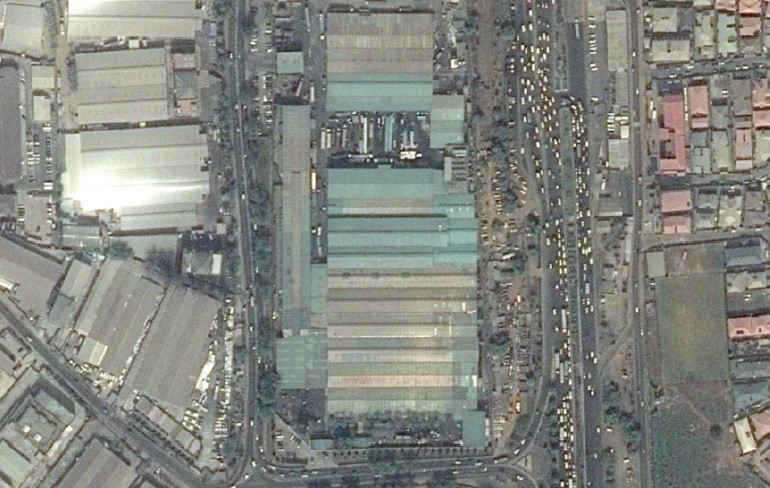
Seven-Up Bottling Factory, Energy Audit2016Ikeja and Ibadan, NigeriaSBCEnergy AuditIndustrial energy audit for Seven-up and Pepsi bottling plantPDP Energy executed an industrial energy audit covering production lines, auxiliaries, CO2 production, lighting, power plant, and cogeneration steam systems

Project Background & Objectives

The Seven-Up Bottling Factory, Energy Audit project was initiated as a primary corporate efficiency and resource optimization program to reduce energy overhead across major soft drink manufacturing operations in Ikeja and Ibadan, Nigeria. Commissioned by SBC (Seven-Up Bottling Company), this high-volume facility assessment targeted the intensive resource demands associated with beverage production and processing. Within this industrial efficiency framework, PDP Energy was selected to spearhead the comprehensive technical diagnostics. The primary company-specific objectives centered on executing a comprehensive Industrial energy audit for Seven-up and Pepsi bottling plant assets, establishing a complete data baseline to optimize thermodynamic performance, electrical loads, and localized power generation configurations.

Project Challenges

Conducting detailed industrial energy audits across multiple active, high-capacity bottling facilities introduces extreme mechanical, thermal, and electrical modeling complexities. Large-scale beverage manufacturing relies on a web of continuous process machinery and complex utility networks that cannot experience operational downtime during tracking. PDP Energy had to resolve major technical diagnostic hurdles, executing precise, non-intrusive logging across high-speed production lines, auxiliaries, CO2 production systems, facility lighting, the central power plant, and cogeneration steam systems. Balancing these overlapping thermal boundaries required meticulous data segregation to accurately calculate real-time boiler efficiencies, map compressed air leakage rates, and assess localized backup generator operations without disrupting tight commercial bottling schedules.

Project Outcomes

Operating as the primary industrial energy consulting partner, PDP Energy successfully formulated and delivered a complete multi-facility industrial energy audit and utility optimization blueprint. The project effectively established an advanced, data-driven technical reference for large-scale corporate resource mapping and carbon reduction in West Africa. By providing highly detailed thermodynamic models, verified mass-energy balances, and a prioritized list of actionable conservation measures, PDP Energy’s engineering roadmap cleared a secure path for SBC to systematically lower manufacturing utility expenses, optimize their fuel consumption per production unit, and maximize the efficiency of their cogeneration steam recovery assets.

Boqaata Dam

Project Details

NameYearLocationClientTypeDescriptionScope
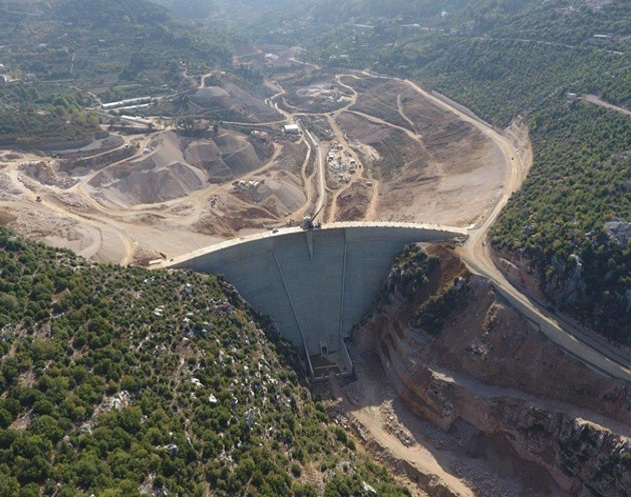
Boqaata Dam2017Boqaata, LebanonKhoury contracting Co.Infrastructure7 million m³ water reservoir dam with a structural height of 71mOverall design of the electrical network for the plant, internal galleries, and road lighting

Project Background & Objectives

The Boqaata Dam project was initiated as a major national infrastructure development to secure massive water storage and optimize regional resources in Boqaata, Lebanon. Commissioned by Khoury contracting Co., this large-scale project involved constructing a 7 million m³ water reservoir dam with a prominent structural height of 71m. Within this complex civil engineering framework, PDP Energy was appointed to take charge of the comprehensive electrical systems design. The primary company-specific objectives focused on creating the overall design of the electrical network for the plant, internal galleries, and road lighting, ensuring continuous, reliable power for critical operating mechanisms, monitoring networks, and service zones.

Project Challenges

Designing a robust electrical infrastructure for a high-capacity reservoir dam presents intense architectural and environmental hurdles. PDP Energy had to navigate severe technical constraints when planning the electrical distribution through deep internal concrete galleries characterized by continuous dampness, moisture exposure, and strict space limitations. Sizing and routing power cables to operate flawlessly under these high-humidity conditions required selecting specialized corrosion-resistant materials and engineering tight fault protection. Furthermore, coordinating multi-zone external road lighting and plant machinery circuits demanded precise voltage drop calculations and secure backup power contingencies to prevent dangerous blackouts along the massive 71m structure.

Project Outcomes

Operating as the primary electrical engineering partner, PDP Energy successfully delivered the complete electrical network and lighting design package for the reservoir infrastructure. The project effectively established a highly resilient, modern power framework tailored for heavy municipal utility assets. By providing detailed technical schematics and synchronized protection designs, PDP Energy cleared the way for secure, long-term operations at the 7 million m³ facility, ensuring maximum safety for maintenance crews within the galleries and reliable control over regional water distribution networks.

Presidential Palace 4 MW Power Plant

Project Details

NameYearLocationClientTypeDescriptionScope
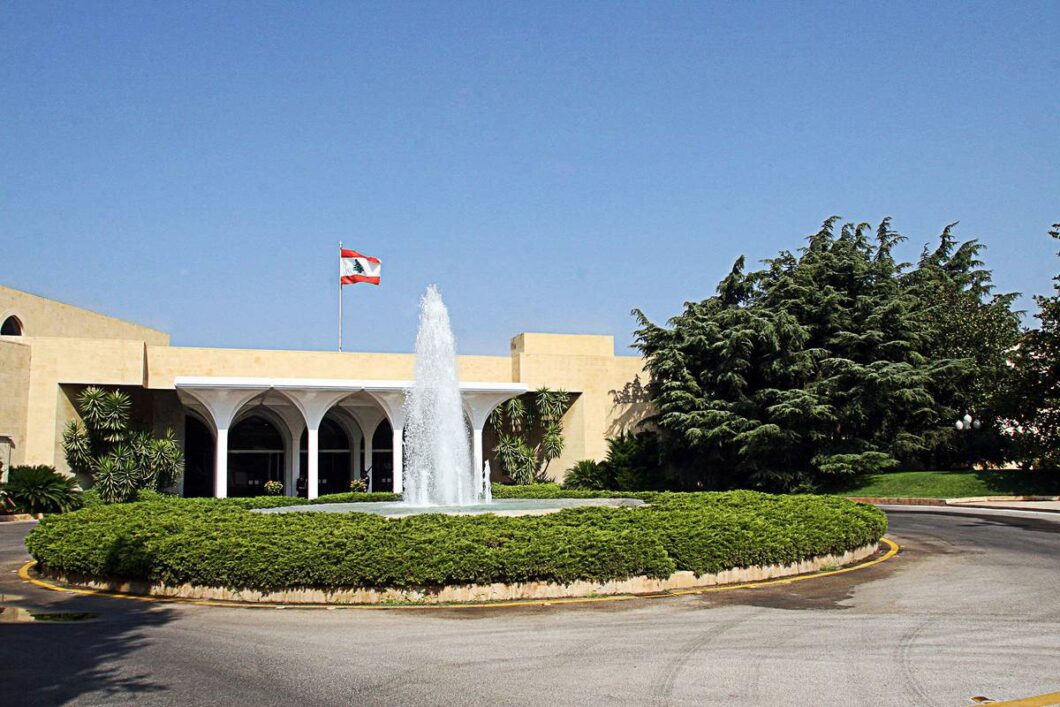
Presidential Palace 4 MW Power Plant2015Baabda, LebanonPresidential palace authoritiesPower PlantRenovation and extension project of the palace's emergency diesel plant and networkRealized conceptual design and prepared specifications and tender documents

Project Background & Objectives

The Presidential Palace 4 MW Power Plant project was initiated to critically upgrade and secure the sovereign backup power infrastructure for the nation’s primary governance campus in Baabda, Lebanon. Commissioned directly by the presidential palace authorities, this highly critical asset focused on a comprehensive renovation and extension project of the palace’s emergency diesel plant and network. Within this high-security public institutional framework, PDP Energy was selected to spearhead the advanced advisory and early technical modeling phases. The primary company-specific objectives centered on delivering a complete engineering roadmap, where the team successfully realized the conceptual design and prepared specifications and tender documents to ensure the 4 MW generation facility operates with absolute reliability and complete energetic autonomy during national grid crises.

Project Challenges

Overhauling and expanding a highly strategic power network inside a fully operational, high-security presidential compound presents intense spatial, structural, and electrical engineering hurdles. Because a primary governance facility demands uncompromised physical security and continuous power continuity with zero tolerance for downtime, the integration of new assets with existing grids required complex technical staging. PDP Energy had to resolve challenging technical constraints, including engineering strict acoustic and vibration containment parameters to blend with the palace architecture, designing rapid automatic transfer switching mechanisms, and configuring highly robust protection schemes. These measures were vital to safeguard mission-critical communication centers and data mainframes against voltage fluctuations or cascading system failures.

Project Outcomes

Operating as the primary conceptual engineering consultant, PDP Energy successfully formulated and delivered the complete conceptual design package, comprehensive technical specifications, and structural tender documents. The project effectively established an unshakeable, elite technical blueprint tailored for strategic national security and civic infrastructure assets. By providing highly precise load-matching models and synchronized protection schematics, PDP Energy cleared the path for the secure deployment of the updated 4 MW power plant, guaranteeing complete backup power redundancy, protecting sovereign operations, and insulating the entire compound from municipal utility grid deficits.

Lebanese American University 8 MW Power Plant

Project Details

NameYearLocationClientTypeDescriptionScope
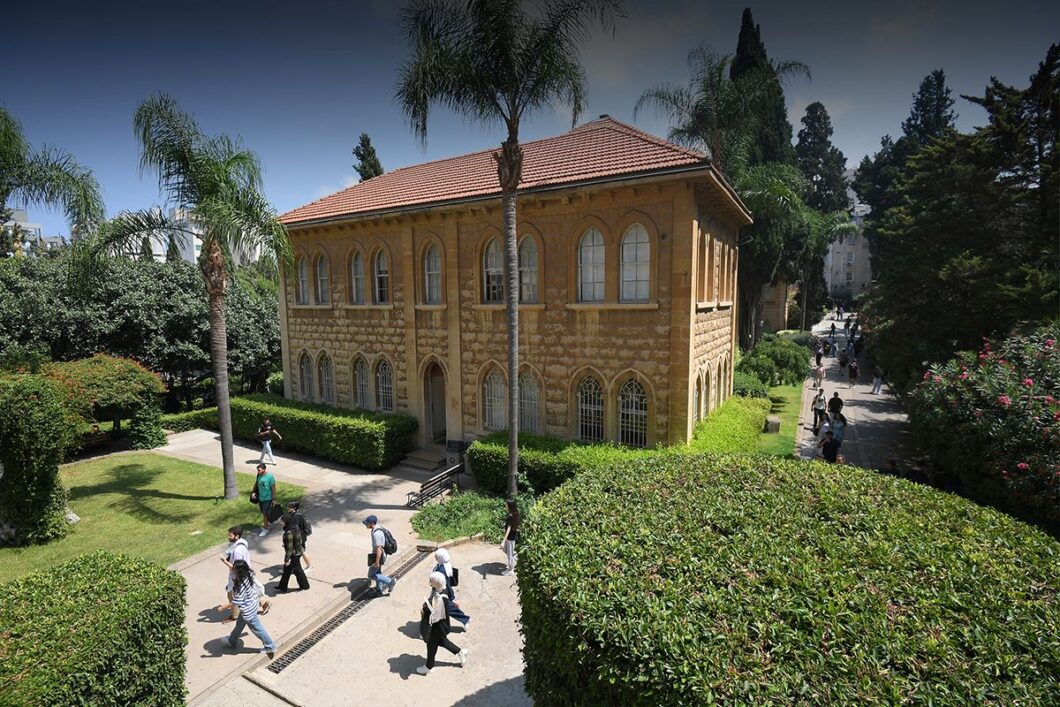
Lebanese American University 8 MW Power Plant2016Beirut, LebanonLAUPower PlantDiesel emergency power plant and electrical infrastructure for campus expansionWorked on conceptual design, preparation of tender documents, and supervised construction

Project Background & Objectives

The Lebanese American University 8 MW Power Plant project was initiated to build an elite, highly reliable captive power solution to support the extensive campus expansion of the Lebanese American University in Beirut, Lebanon. Commissioned directly by LAU, this critical infrastructure asset was planned to serve as a high-capacity Diesel emergency power plant and electrical infrastructure network to safeguard continuous academic, medical, and administrative operations against volatile municipal grid deficits. Within this high-demand institutional development context, PDP Energy was selected to spearhead all technical and oversight phases. The primary company-specific objectives centered on delivering a complete project lifecycle roadmap, where the engineering team worked on conceptual design, preparation of tender documents, and supervised construction of the 8 MW generation facility.

Project Challenges

Designing and integrating a heavy-duty 8 MW emergency diesel power plant within a dense, active urban university campus presents severe spatial, environmental, and network engineering hurdles. PDP Energy had to navigate complex technical constraints, including engineering strict acoustic containment, vibration isolation, and optimized exhaust filtration systems to comply with stringent urban environmental standards. On the electrical and automation side, integrating the new generation block with existing and expanding campus networks required precise synchronization. The design demanded highly advanced automatic transfer switching mechanisms, meticulous fault-ride-through protection configurations, and rigorous load-shedding schemes to guarantee instantaneous, safe backup transition to critical medical mainframes and university data centers without risking voltage dips or equipment damage.

Project Outcomes

Operating as the primary full-lifecycle engineering consultant and supervisor, PDP Energy successfully finalized the complete conceptual design package, comprehensive structural tender documentation, and independent field construction monitoring services. The project effectively established an unshakeable, high-performance energy foundation tailored for premier metropolitan educational assets. By delivering highly synchronized and resilient electrical blueprints alongside rigorous quality control on-site, PDP Energy cleared the path for the secure deployment of the 8 MW power plant, ensuring absolute energy redundancy, safeguarding vital institutional data integrity, and securing uninterrupted operations across the expanded campus.

Banque du Liban 8 MW Power Plant

Project Details

NameYearLocationClientTypeDescriptionScope
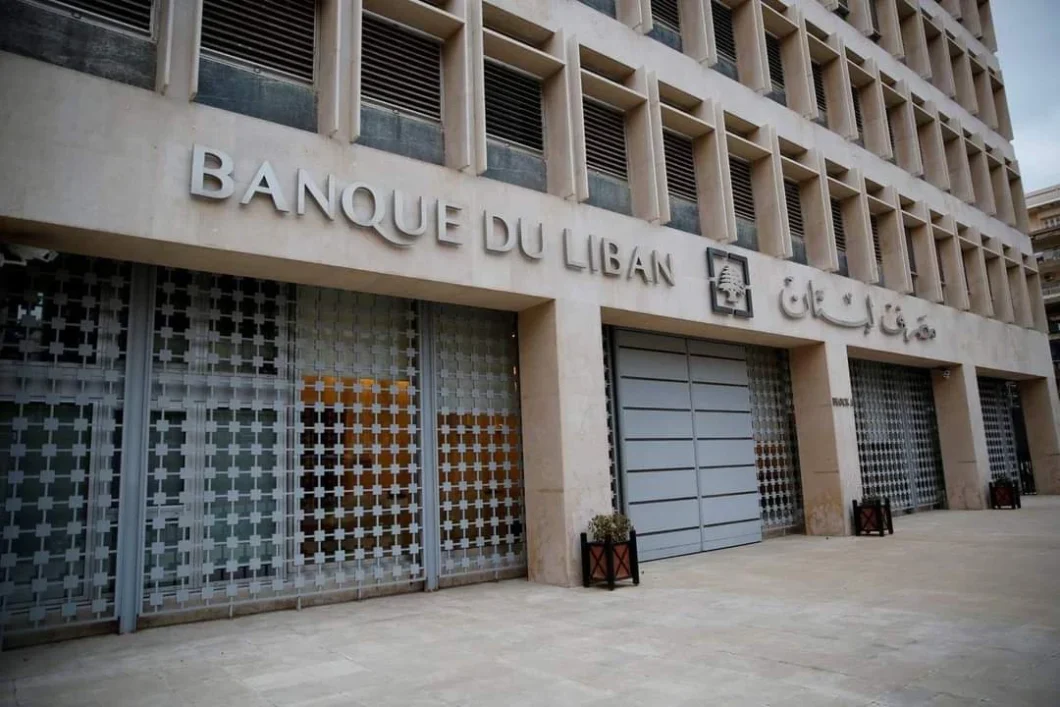
Banque du Liban 8 MW Power Plant2017Beirut, LebanonBDLPower PlantNew power plant and electrical network constructionConsulting and design

Project Background & Objectives

The Banque du Liban 8 MW Power Plant project was initiated to build an elite, highly reliable captive power solution for Lebanon’s central banking headquarters in Beirut. Commissioned directly by the central bank (BDL), this critical infrastructure asset was planned to safeguard continuous financial operations against grid failures and energy deficits. Within this high-security institutional framework, PDP Energy was selected to spearhead the specialized engineering and advisory phases. The primary company-specific objectives centered on providing comprehensive consulting and design for the new 8 MW power plant and its integrated electrical network construction, ensuring total system redundancy, stability, and immediate emergency response capabilities.

Project Challenges

Constructing a medium-scale 8 MW power plant within a dense, high-security urban environment presents severe spatial, environmental, and technical hurdles. The electrical network integration required syncing the new generation assets with existing complex corporate grids without risking even a millisecond of voltage disruption to critical banking mainframes and security infrastructure. PDP Energy had to overcome intense engineering difficulties by modeling precise fault ride-through protections, engineering strict acoustic and vibration isolation systems for the urban site, and planning flawless automatic transfer switching mechanisms to secure instantaneous backup transition under any grid collapse scenario.

Project Outcomes

Operating as the primary engineering consultant, PDP Energy successfully delivered the complete consulting and design package for the power generation facility and grid network. The project successfully established an unshakeable energy foundation for the nation’s financial core. By providing highly synchronized, resilient electrical blueprints, PDP Energy paved the way for the construction of a robust 8 MW energy asset that guarantees absolute power autonomy, protects vital data integrity, and secures uninterrupted central banking infrastructure operations.