

As energy price volatility and strict carbon-reduction mandates squeeze margins, diverse industrial sectors face a dual challenge: ensuring uninterrupted power while maximizing resource efficiency. This insight explores how the strategic combination of comprehensive industrial energy audits and optimized Combined Heat and Power networks provides a clear roadmap to sustainable, cost-effective growth.
The Industrial Power Dilemma
Heavy industries ranging from automated manufacturing and food processing to data centers and petrochemical facilities rely on a complex web of process utilities and massive electrical loads. Unlike standard commercial developments, a minor drop in grid stability or a thermal inefficiency within a utility network can stall operations, causing immediate and significant revenue losses. Historically, securing continuous power meant relying entirely on traditional grid connections and standard fuel setups. However, today’s operational landscape demands a more intelligent approach to balancing power stability, capital cost reduction, and regulatory compliance.
Unlocking Hidden Savings with Industrial Energy Audits
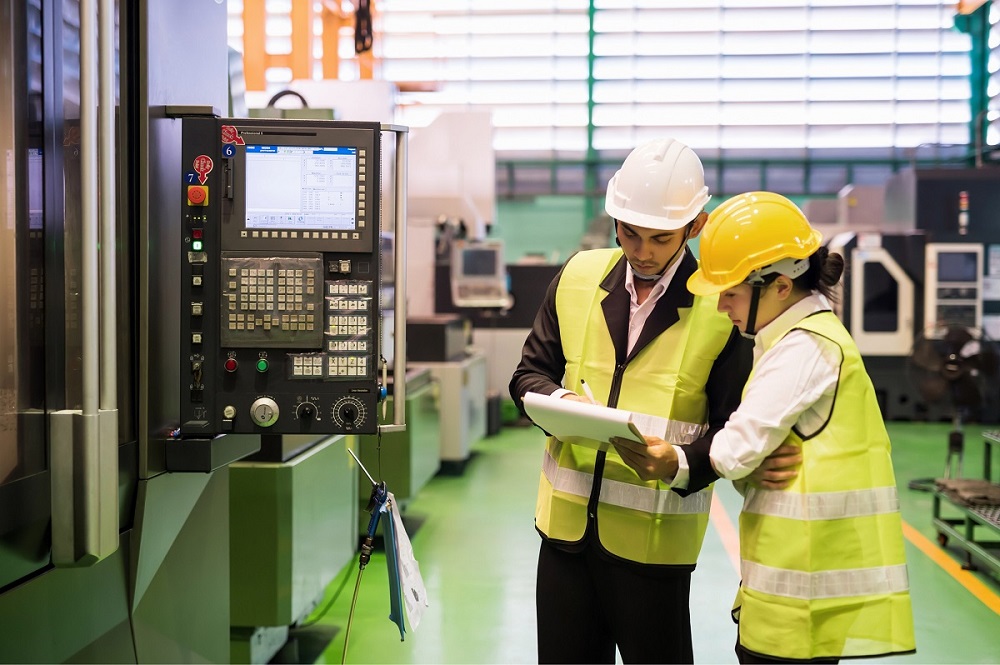
Before investing in new generation equipment, industrial facilities must accurately assess their current consumption profile. A full-scale industrial energy audit evaluates production lines, identifies parasitic electrical loads, and targets legacy motor inefficiencies. Engineers measure waste heat, steam losses, and cooling-tower imbalances across process utility networks. By mapping exactly where energy is consumed and where it is wasted, enterprises gain the definitive, data-backed insights required to design highly targeted infrastructure upgrades that lower base-load demands without impacting labor safety.
Maximizing Efficiency via Cogeneration
For industries requiring both reliable electricity and high-temperature thermal energy like steam, hot water, or chilled air, traditional separate generation is inherently inefficient. Standard power plants dump enormous amounts of waste heat directly into the environment. Combined Heat and Power systems completely redefine this process. By capturing and repurposing waste heat directly from reciprocating engines or gas turbines, a well-engineered cogeneration system can achieve total thermal efficiencies exceeding eighty percent.
The primary industrial advantages of localized system integration include dramatic fuel cost reductions, true island-mode reliability, and optimized payback cycles. Generating electricity and thermal heat from a single fuel source drastically drops overall intake. Operating independently of volatile municipal grids ensures continuous production even during wider network disruptions. Ultimately, lowering long-term operational expenses ensures a rapid return on initial capital layout.
A Scalable Roadmap for Sustainable Industry
Optimizing continuous industrial power setups requires combining strict engineering precision with robust process economic modeling. As an experienced engineering partner, PDP Energy can do that by guiding facilities through every phase of the transition. From initial conceptual design and thermodynamic modeling to manufacturing field audits and full-lifecycle engineering, bridging the gap between core utility infrastructure and modern performance standards is no longer just an environmental goal. It is a strategic business necessity.